Common Types of Shock: Hypovolemic, Cardiogenic, and Septic
This comprehensive guide covers the essentials of shock for nursing professionals and healthcare students. It explores the pathophysiology, clinical signs, and targeted treatments for the most frequently encountered types of shock, enabling readers to quickly recognize and respond to this medical emergency. In simple terms, shock is a life-threatening condition that occurs when the body is not getting enough blood flow, starving the organs of oxygen and nutrients.
ACLS Certification Association videos have been peer-reviewed for medical accuracy by the ACA medical review board.
Table of Contents
- What is Shock?
- Common Types of Shock
- Hypovolemic Shock
- Cardiogenic Shock
- Septic Shock
- Pathophysiology
- Compensatory Mechanisms in Shock
- Nursing Care: Early Signs and Symptoms
- How is Shock Diagnosed?
- Nursing Assessments
- Treatments for Shock
- Hypovolemic Shock
- Treatment of Cardiogenic Shock
- Treatment of Septic Shock
- Summary
Article at a Glance
- While there are several different types of shock, this guide focuses on the three most common: hypovolemic shock, cardiogenic shock, and septic shock.
- During shock, the body attempts to regain cardiac output through compensatory mechanisms.
- Read on to learn about nursing care and assessments for shock.
What is Shock?
Shock is a complex, life-threatening syndrome characterized by a profound failure of the circulatory system to deliver enough oxygen and nutrients to meet the metabolic demands of the body’s tissues. This state of inadequate tissue perfusion is incredibly dangerous because without oxygen, cells are forced to switch to anaerobic metabolism, which produces toxic byproducts that rapidly lead to profound organ dysfunction.
If shock is left untreated, the patient is at extremely high risk for:
- Organ failure: The kidneys, liver, and brain begin to shut down.
- Metabolic acidosis: Toxic lactic acid rapidly accumulates in the blood.
- Cardiac arrest: The heart muscle eventually fails from oxygen deprivation and systemic toxicity.
Common Types of Shock
Because shock stems from a failure of perfusion, it is categorized based on the underlying reason for that failure. While there are multiple taxonomies and classification systems, which also identify other critical forms like anaphylactic shock and obstructive shock (often caused by an obstructive emergency like a tension pneumothorax), this article emphasizes the three most common types seen in clinical practice.
- Hypovolemic shock: Driven by extreme fluid or blood loss.
- Cardiogenic shock: Driven by direct heart pump failure.
- Septic shock: Driven by severe infection leading to systemic inflammation.
Hypovolemic Shock
Hypovolemic shock stems from low circulating fluid volume. Key differentiators include:
- Cause Clues: Most often, it is caused by significant blood loss from an injury, physical trauma, or a gastrointestinal (GI) bleed. It can also result from severe fluid loss, such as in diabetes insipidus, where the patient excretes large volumes of urine.
- Basic Physiologic Feature: The “tank” is empty; there is physically not enough blood or fluid to pump through the system.
- Early Clinical Clues: Patients typically present with tachycardia and pale, cool skin due to massive blood diversion away from the extremities.
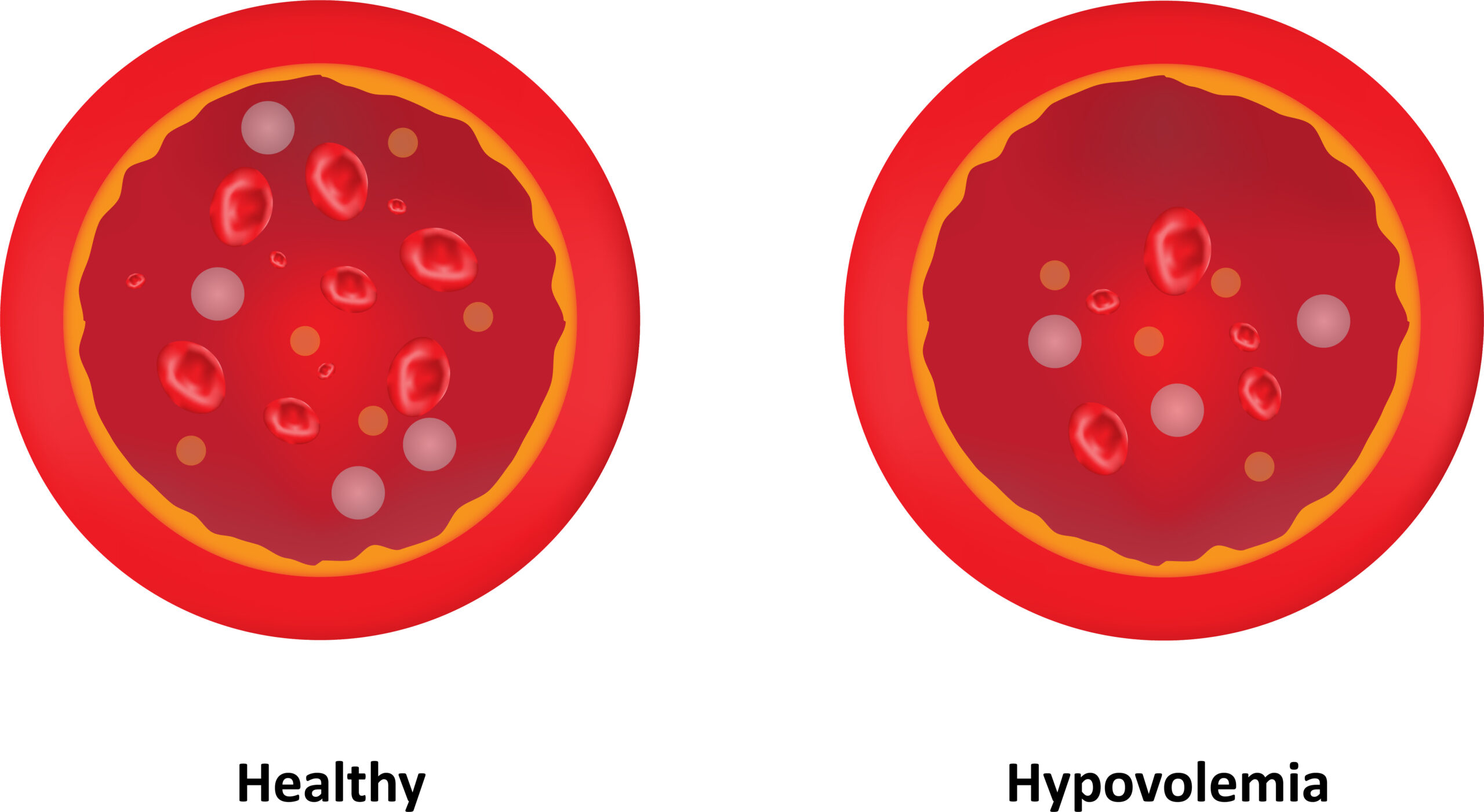
Patients with hypovolemia have a low blood volume circulating in the body.
Cardiogenic Shock
Cardiogenic shock results from decreased myocardial contractility, representing a severe decrease in the heart’s ability to pump. The most common cause is a massive left ventricular myocardial infarction, which damages the heart muscle and drastically limits pumping ability.
Key Differentiator: Unlike hypovolemic shock (where fluid is missing) or septic shock (where vessels massively dilate), cardiogenic shock is a primary pump failure problem. The fluid volume may be normal, but the heart simply cannot push it forward effectively.
Septic Shock
Septic shock is a highly critical clinical condition requiring immediate intervention. It is a form of distributive shock, meaning blood volume is inappropriately distributed across the body due to widespread vasodilation.
The root cause is sepsis originating from an infection. Examples include types of pneumonia, infected wounds, or urinary tract infections. A localized infection progresses to systemic sepsis; septic shock is then triggered. This direct link between sepsis septic shock, and system-wide inflammation is what causes massive vasodilation and dangerously decreased vascular resistance.
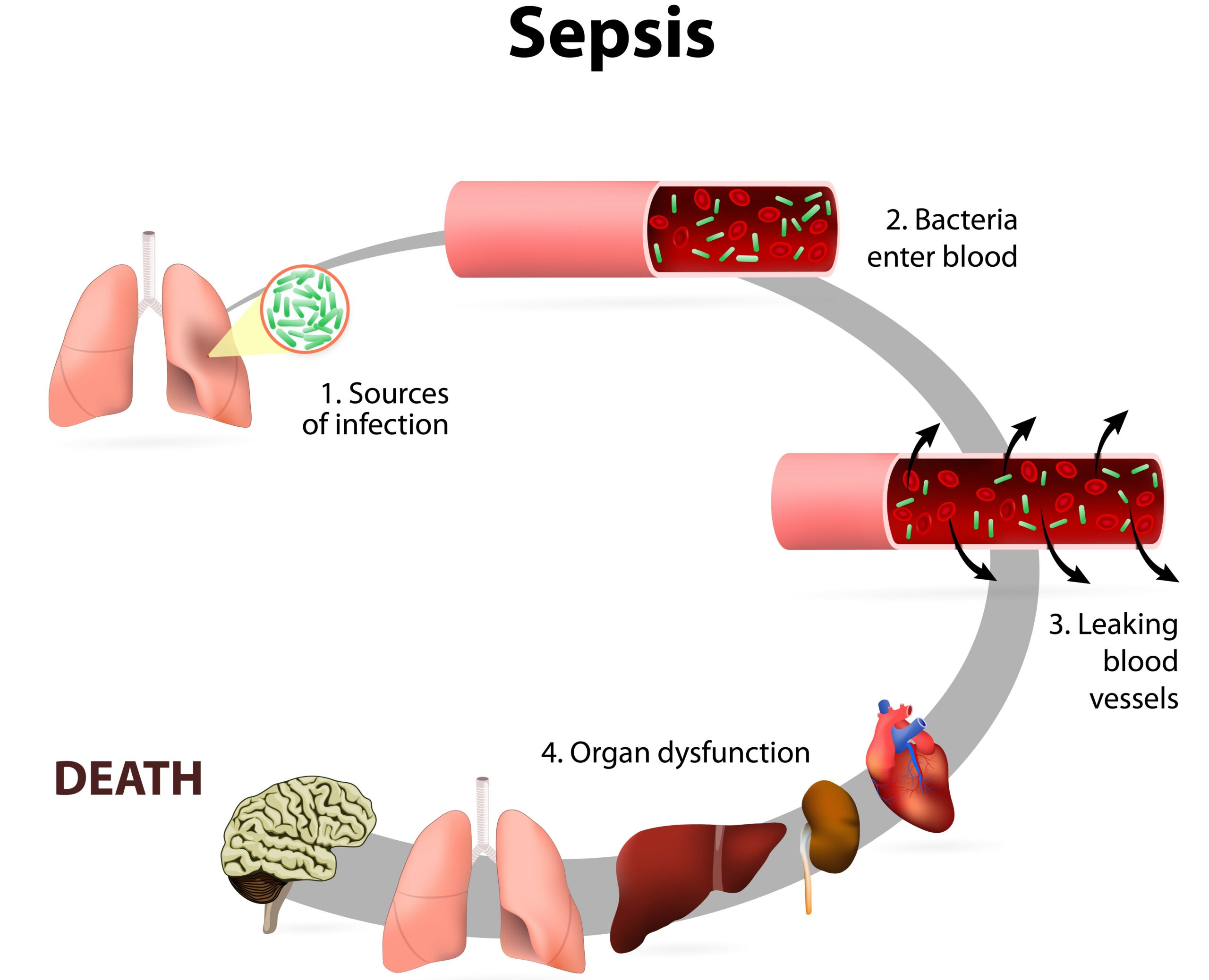
In sepsis, patients lose fluids due to massive vasodilation.
The following video breaks down the pediatric septic shock algorithm, detailing clinical decision-making and fluid resuscitation protocols. Understanding these algorithm steps is crucial for rapidly treating pediatric patients and restoring vascular resistance during severe septic episodes. For further advanced training, consider completing your PALs Certification to better handle pediatric emergencies.
Pathophysiology
While the cause for each type of shock differs, the underlying pathophysiology follows a similar path. However, it is important to remember that different types of shock can present with varying initial symptoms even if the ultimate clinical destination is the same.
Each type of shock results in a profound decrease in effective cardiac output. This decrease leads to poor tissue and organ perfusion, eventually culminating in cellular hypoxia and cell death. This shared pathway underscores exactly why clinicians must relentlessly monitor perfusion markers and organ function indicators in critically ill patients.
Read: Which Oxygen Delivery Device Should I Choose?
The following compensatory mechanisms may be observed in patients experiencing shock: The catecholamines epinephrine and norepinephrine are released by the sympathetic nervous system, resulting in an increased heart rate. Epinephrine and norepinephrine also cause vasoconstriction to increase cardiac output and increase tissue perfusion. Adrenocorticotropic hormone (ACTH) is released from the anterior pituitary. ACTH signals the adrenal cortex to release aldosterone and cortisol, which are considered flight or fight hormones. Cortisol increases blood glucose and fights inflammation, while aldosterone causes sodium and fluid retention. Antidiuretic hormone (ADH) is another hormone released by the posterior pituitary. ADH tells the kidneys to retain water to increase fluid volume and tissue perfusion. Overall, the endocrine system’s response aims to improve tissue perfusion and cardiac output. Due to cellular hypoxia, the chemoreceptors in the aortic arch are stimulated. Patients in shock will often have an increased respiratory rate.Compensatory Mechanisms in Shock
Nervous System Response
Endocrine System Response
Chemoreceptor Response in the Aortic Arch
Nursing Care: Early Signs and Symptoms
As a result of the compensatory mechanisms, patients in shock will present with early signs and symptoms. The nurse has an important role in monitoring for these early signs.
Common early signs and symptoms of shock include:
- A slightly increased blood pressure initially because of vasoconstriction from catecholamine release, though it is important to note that blood pressure can be normal or low depending on the timing and specific type of shock.
- An increased heart rate because of the response to epinephrine.
- A decreased urine output because of aldosterone and ADH.
- An increased respiratory rate because of the chemoreceptor response to cellular hypoxia.
The nurse should be aware of and report these early signs and symptoms. Early recognition and reporting can help the patient receive treatment before the shock progresses.
To help visualize these concepts, the video below provides a practical overview of recognizing the subtle and overt signs of shock. Watching this breakdown will improve your ability to quickly identify compensatory mechanisms and escalating symptoms in real time.
How is Shock Diagnosed?
Diagnosing shock requires clinical vigilance, as clinicians must recognize the overall state of hypoperfusion and then use targeted tests to narrow down the specific type. Diagnosis typically combines a physical examination with key diagnostic tests.
- Electrocardiograms (ECG): Used to evaluate heart rhythm and detect cardiogenic damage.
- Blood Tests: Including lactate levels, complete blood count (CBC), and blood cultures to assess severity and identify infections.
- Imaging: Chest X-rays or ultrasounds can help identify fluid accumulation or structural abnormalities.
Nursing Assessments
Nursing assessments focus on both the early and active signs and symptoms of shock. These continuous evaluations are vital for recognizing the onset of shock and distinguishing the likely type based on physiological clues. Assessments that are important for all types of shock include:
Neurology Checks
One of the early signs of hypoxemia is mental status change and restlessness.
Inputs and Outputs
Assessing inputs and outputs is essential for treating hypovolemic shock. It is also important for cardiogenic and septic shock because of the potential for decreased kidney perfusion.
Daily Weights
It is important to monitor if the patient is retaining volume that is administered to replace the volume losses.
Vital Signs
Regular monitoring is crucial to catch changes indicating that shock is progressing. Key vital signs and labs include:
- Heart Rate (HR) and Blood Pressure (BP): Should be closely monitored, especially for hypovolemia.
- Oxygen Saturation (SpO2): Monitored to assess respiratory compensation.
- Respiratory Rate (RR): Often overlooked, but changes are a major red flag.
- Arterial Blood Gases (ABGs): Checked due to the potential for anaerobic metabolism and lactic acid production.
Blood Glucose
The increased cortisol in the body increases the patient’s blood glucose.
Signs and Symptoms of Bleeding
It is important to assess for signs and symptoms of bleeding that may contribute to hypovolemia. For example, stool should be monitored to check for a GI bleed, dressings are monitored on wounds, and abdominal girth is checked for those at risk of internal bleeding.
The following video demonstrates the general survey and collection of subjective data during a health assessment. Mastering these fundamental assessment techniques is critical for gathering accurate baseline data and identifying early physical changes that may point toward an impending shock state.
Capillary Refill Time and Pulse Quality
The capillary refill time and pulse quality are tangible indicators of a patient’s fluid status.
Central Venous Pressure (CVP)
CVP is a hemodynamic measurement that is important with every type of shock. CVP can be obtained through the distal port of a triple lumen of a central line and provides a direct reflection of the pressure in the right side of the heart, also known as the preload.
CVP measurements guide fluid replacement, though specific target ranges are heavily dependent on institutional guidelines and individual clinical scenarios. CVP monitoring is one of the hemodynamic staples used to monitor patients in shock.
If the blood pressure drops too low, the body can go into shock. Monitoring is crucial.
Treatments for Shock
Important Safety Note: The following information is for clinical education purposes only. If you suspect someone is experiencing shock in a non-clinical setting, seek emergency services immediately.
The treatment for shock varies depending on the type of shock. However, general treatment priorities across categories include:
- Securing the airway and optimizing oxygenation.
- Restoring adequate blood pressure and tissue perfusion.
- Identifying and correcting the underlying cause.
The primary treatment for hypovolemic shock is to aggressively replace the volume loss. If the patient is bleeding, they should receive a blood transfusion. If the patient lost non-blood fluids, they should receive isotonic crystalloid fluids. Fluid replacement volumes should be strictly guided by current institutional protocols and real-time hemodynamic monitoring.Hypovolemic Shock
Treatment of Cardiogenic Shock
The main cause of cardiogenic shock is a massive left ventricular myocardial infarction (MI). The goal of cardiogenic shock treatment is to restore heart function and blood pressure. Note: In stark contrast to hypovolemic shock where aggressive fluid loading is key, cardiogenic shock requires careful fluid management to avoid overloading an already failing heart.
- Diagnostics: The patient will need a 12-lead electrocardiogram (ECG) as soon as possible.
- Procedures: Treatment primarily involves fixing the MI, which may require sending the patient to the catheterization lab to remove a blockage in the arteries.
- Medications: The patient may be administered oxygen, aspirin to prevent platelet aggregation, and anticoagulation drips. Positive inotropic drugs, such as dobutamine, can help increase the contractility of the heart, while diuretics can help pull volume off.
- Monitoring and Support Devices: A patient may receive an intra-aortic balloon pump, inserted directly into the aorta to control blood flow and decrease afterload, ultimately reducing the workload of the heart. During diastole, the balloon inflates to perfuse the coronary arteries; during systole, it helps pull blood into systemic circulation. Pulmonary artery catheters may also be inserted to obtain CVP measurements, cardiac output, and cardiac index.
Treatment of Septic Shock
The main treatment goal for septic shock is treating the underlying infection. Patients in septic shock are in significant danger for severe hypotension and end-organ damage, making rapid and aggressive treatment critical; every minute counts.
- Blood Cultures: Drawn immediately to identify the bacteria and determine an appropriate antibiotic regimen.
- Early Broad-Spectrum Antibiotics: While waiting for culture results, the patient should be started on broad-spectrum antibiotics, which are later deescalated once the bacteria is identified.
- Fluids: Administer substantial IV fluids, as massive vasodilation from inflammatory mediators damages the capillaries and causes capillary leakage.
- Reassessment: Continually evaluate the hemodynamic response to treatments to ensure tissue perfusion improves.
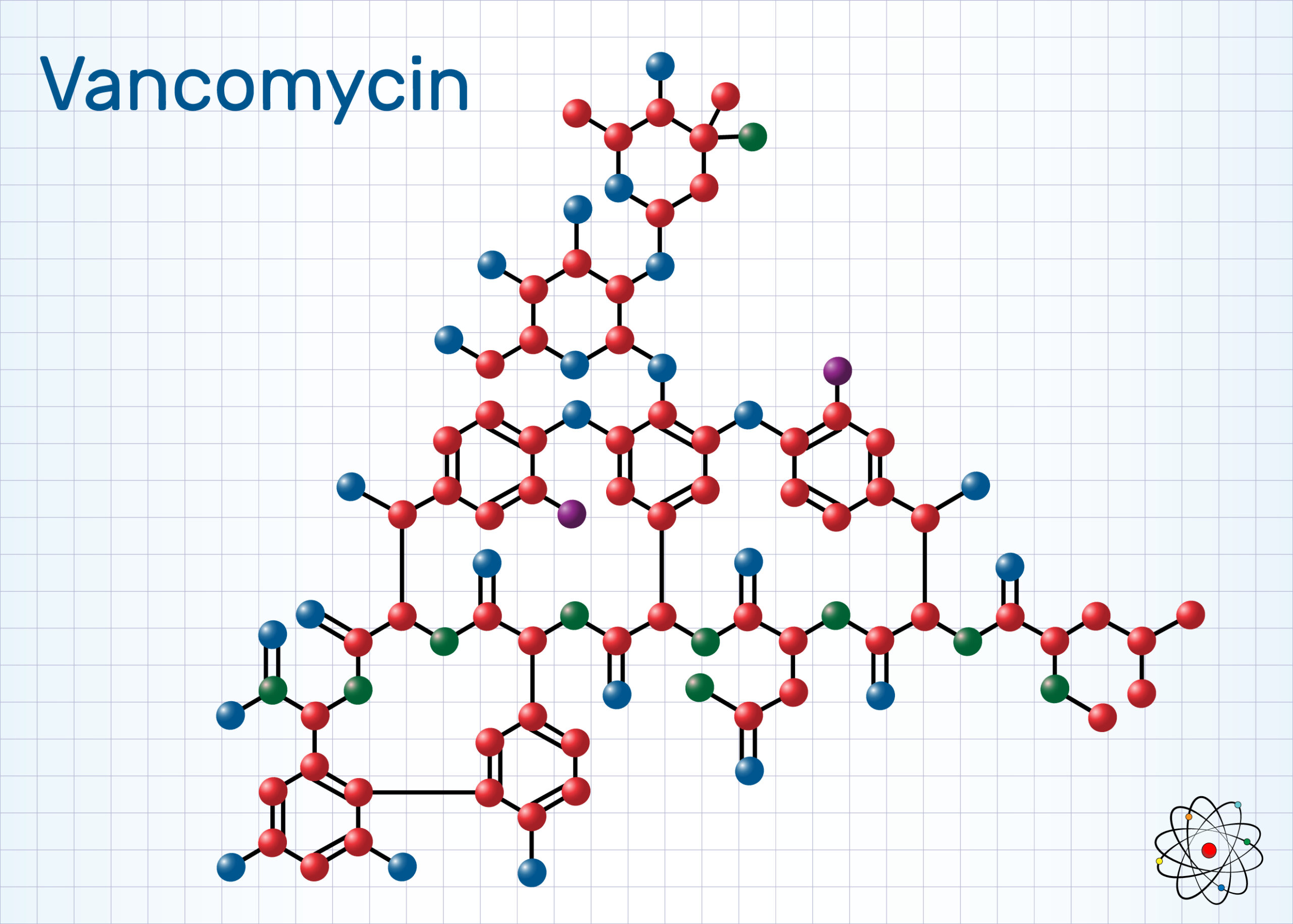
Vancomycin is a broad-spectrum antibiotic.
Summary
The three common types of shock covered in this guide are hypovolemic, cardiogenic, and septic. While additional types of shock exist, mastering the recognition of these foundational categories is vital. Although the pathophysiology of these forms of shock is similar, the etiology and treatments are highly type-specific. It is critical that the signs and symptoms of shock are identified early to treat the shock and stop its dangerous progression.
More Free Resources to Keep You at Your Best
Editorial Note
ACLS Certification Association (ACA) uses only high-quality medical resources and peer-reviewed studies to support the facts within our articles. Explore our editorial process to learn how our content reflects clinical accuracy and the latest best practices in medicine. As an ACA Authorized Training Center, all content is reviewed for medical accuracy by the ACA Medical Review Board.
More to Learn

Master injectables calculations with our comprehensive guide. Learn the formula for accurate drug calculations to ensure precise medication administration.

This article and video compare SIADH vs. Diabetes Insipidus. Learn the pathophysiology, etiology, signs, symptoms, and nursing care...