Neurogenic Shock vs. Spinal Shock
These terms sound similar but they describe two different problems after a spinal cord injury. Spinal shock is commonly discussed early after injury because reflexes and neurologic function below the lesion can be temporarily suppressed. Neurogenic shock is less common, but it is more urgent from a circulation standpoint because it can cause hypotension and bradycardia due to loss of sympathetic tone, especially with injuries above T6.
ACLS Certification Association videos have been peer-reviewed for medical accuracy by the ACA medical review board.
Article at a Glance
- The two types of spinal cord injuries are neurogenic shock and spinal shock.
- In neurogenic shock, the entire nervous system is affected, whereas only the spinal cord is affected in spinal shock.
- Read on to learn about the pathophysiology and nursing assessments for patients with spinal cord injuries.
Understanding Spinal Cord Injury Shocks
This article discusses the two types of shock associated with spinal cord injuries:
- Neurogenic shock
- Spinal shock
Both neurogenic shock and spinal shock can occur in patients who have experienced a spinal cord injury (SCI). However, these are two distinct conditions.
The two conditions can be easily distinguished because neurogenic shock affects the entire nervous system, whereas spinal shock only affects the spinal cord. These conditions are discussed in detail below.
What Do You Do for a Spinal Injury?
This video reviews immediate priorities after a suspected spinal injury, including spinal precautions, early assessment focus, and what to watch for during the initial period after injury. Watch the video below to review the fundamentals, then compare neurogenic shock and spinal shock.
“}” data-sheets-userformat=”{“2″:513,”3”:{“1″:0},”12″:0}”>
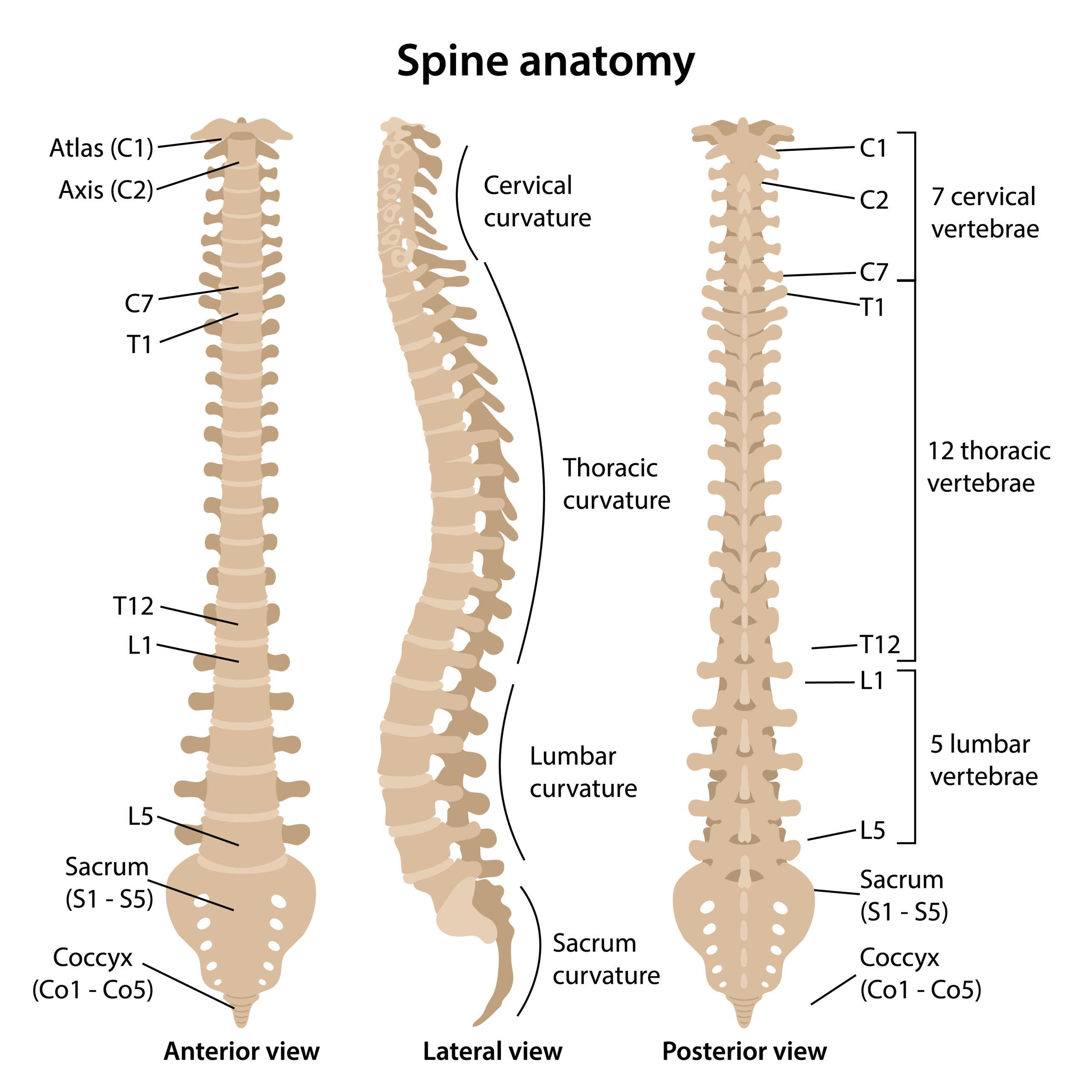
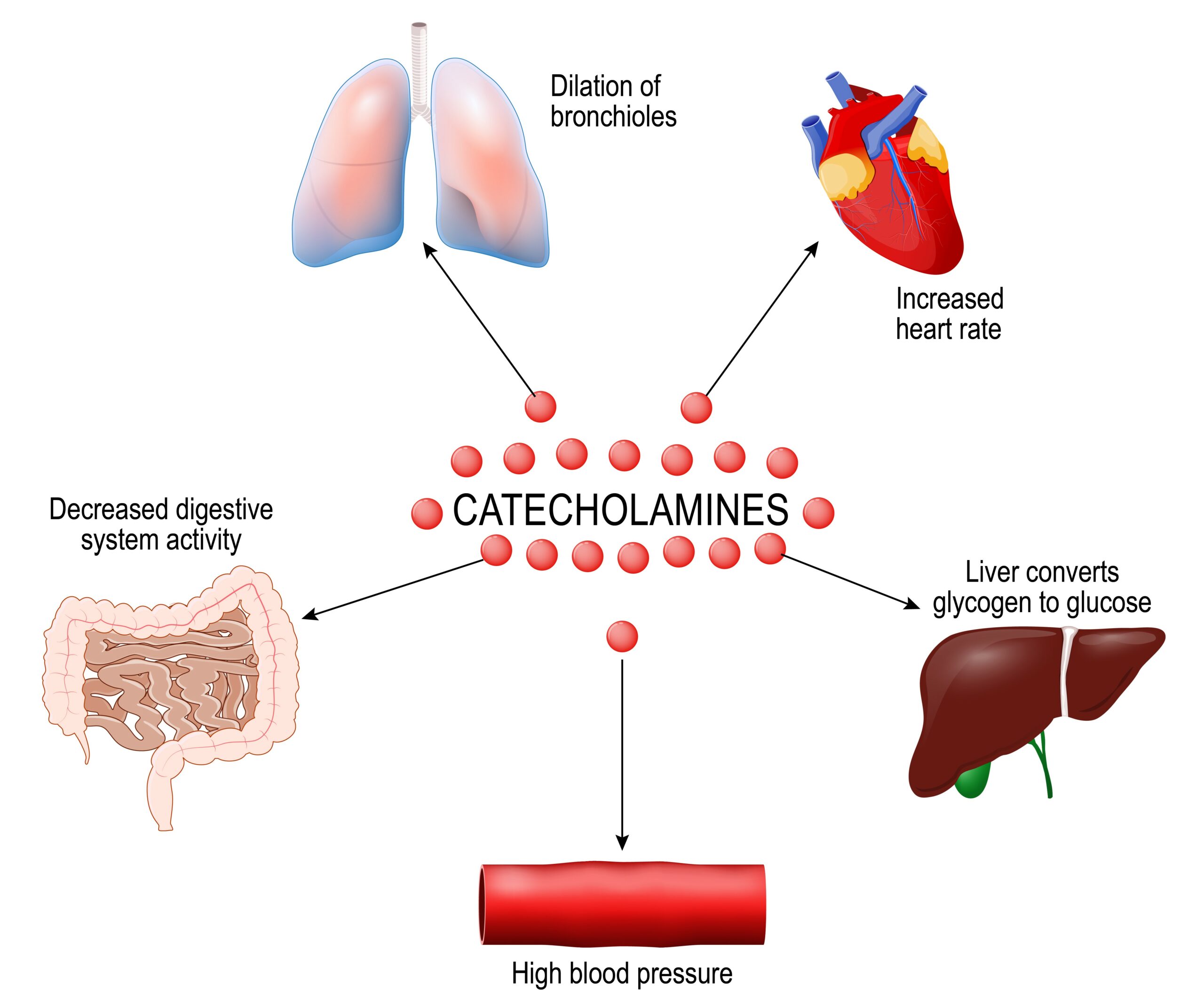
With neurogenic shock, the spinal cord injury is typically a very high-level injury, usually above the thoracic 6 (T6) level. T6 is the “magic number” that places spinal cord injury patients at risk for complications. T6 is located in the thoracic vertebrae. The spinal cord is the body’s information highway. It relays messages and input from the periphery to the brain, and then sends a response from the brain back to the muscles and tissues in the periphery. In neurogenic shock, there is a disruption of the sympathetic nervous system (SNS) messages being relayed from T1 to L2. Essentially, there is a loss of SNS stimulation. That loss of stimulation includes the loss of the fight or flight hormones, such as epinephrine and norepinephrine, which are also known as catecholamines. Epinephrine and norepinephrine are catecholamines that increase heart rate and blood pressure. The catecholamines are powerful vasoconstrictors and have positive chronotropic effects, meaning they increase the heart rate. When epinephrine and norepinephrine are lost, patients will experience: Bradycardia and hypotension are the two primary symptoms of neurogenic shock. Read: The Neurological AssessmentNeurogenic Shock is a High-Level Injury
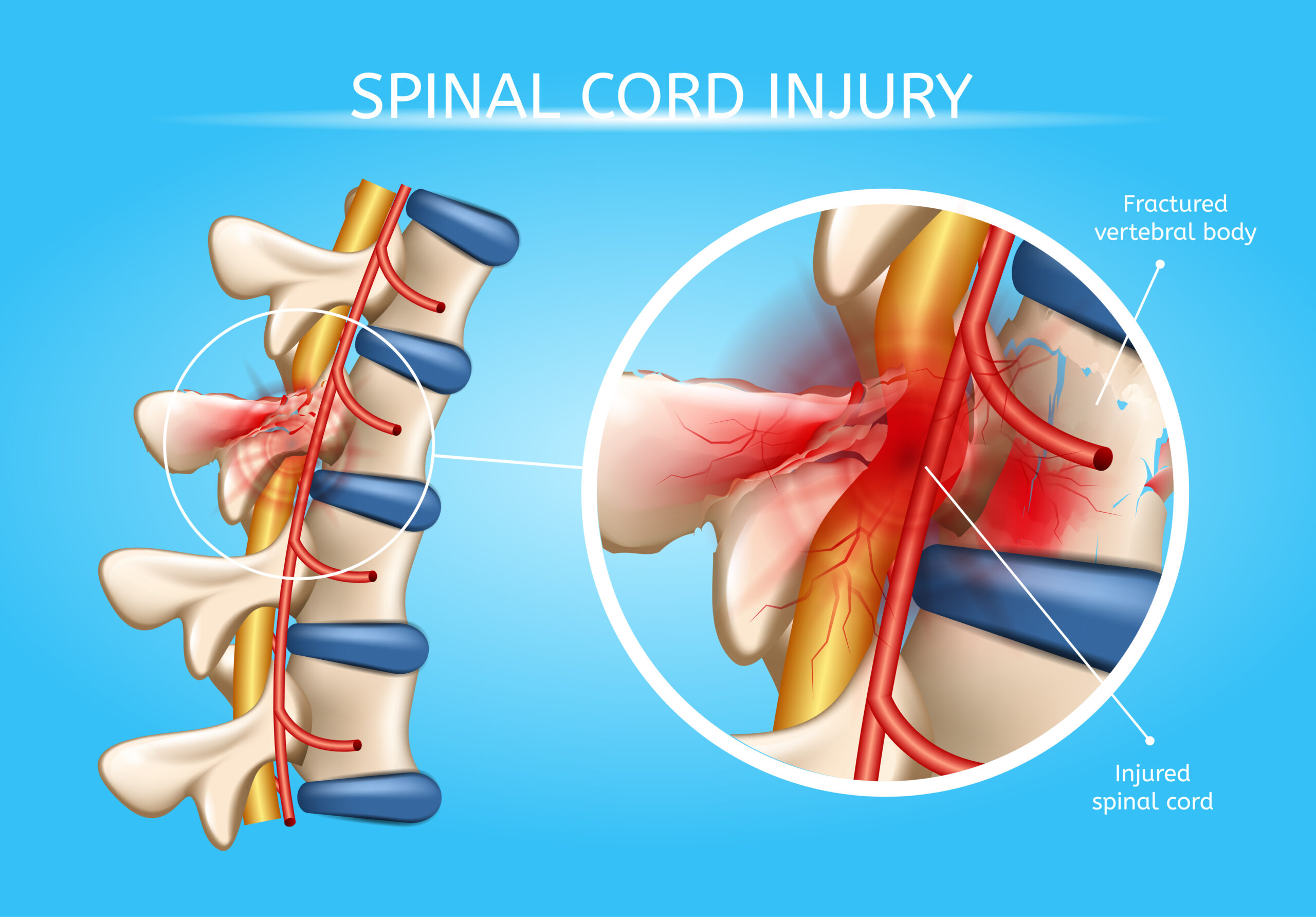
It is important to understand how the two types of spinal injuries affect the spinal cord, keeping in mind that in spinal shock, only the spinal cord is affected. When a patient presents with a spinal cord injury, regardless of the location along the spinal cord, there will likely be bleeding and inflammation at the site of the injury. That bleeding and inflammation impacts surrounding tissue, and that damaged tissue releases chemical mediators. Those chemical mediators cause potent vasoconstriction. The tissue damage, inflammation, and vasoconstriction result in spinal cord ischemia and hypoxia. A spinal cord that is not receiving blood flow and is not oxygenated is not going to do its job properly. That results in paralysis and loss of sensation below the level of the injury. Tissue damage, inflammation, and vasoconstriction are present in a spinal cord injury. Depending on the type of spinal cord injury, the patient may regain movement and sensation. If the patient had an injury involving a complete transection of the spinal cord, they will unfortunately not regain movement and sensation. However, if the patient had a compression of the spinal cord, they will regain movement and sensation below the level of injury once the inflammation and bleeding are controlled. There are two types of spinal cord injuries, which impact the patient in distinct ways. In neurogenic shock, the entire nervous system is affected, whereas, in spinal shock, only the spinal cord is affected. The provider needs to distinguish between these types of injuries to determine the best course of action.Spinal Shock Affects the Spinal Cord
Nursing Assessments and Clinical Management for Spinal Cord Injuries
With neurogenic shock, the provider’s priority is to maintain the airway, breathing, and circulation (ABCs). The provider must focus on maintaining blood pressure because these patients will experience massive vasodilation and bradycardia.
Bradycardia is treated with atropine, while hypotension is treated with fluids. For patients with spinal cord injury, a goal of care is to maintain the mean arterial pressure (MAP) above 80–85 mm Hg. Providers must understand how to calculate mean arterial pressure to guide treatment decisions. In addition, the provider needs to be aware of cervical spine precautions.
Spinal cord injury care starts with airway, breathing, and circulation support plus strict spinal precautions. After initial stabilization, ongoing assessments help separate neurogenic shock vs spinal shock and guide treatment priorities. Trend vital signs, perfusion indicators, temperature regulation, pain, and neurologic findings using consistent documentation and repeat exams.
Neurogenic Shock
- Assessment focus: hypotension, bradycardia, warm dry skin, altered mentation, weak pulses, reduced urine output
- Monitoring: continuous ECG, frequent BP checks, perfusion checks, and trending response to interventions
- Perfusion goal: many protocols target MAP 80 to 85 mm Hg to support spinal cord perfusion, per provider order
Management overview: Neurogenic shock occurs due to loss of sympathetic tone. Treatment is aimed at restoring perfusion and supporting heart rate. IV fluids may be used based on volume status. Persistent hypotension often requires vasopressors per provider order. Symptomatic bradycardia may be treated with atropine. If bradycardia is severe and not responsive, escalation may include pacing based on clinical judgement and local protocol.
Spinal Shock
- Assessment focus: motor strength, sensation, reflexes, tone, bowel and bladder function, and trends over serial exams
- Safety priorities: immobilization, turning schedules, pressure injury prevention, pulmonary hygiene
- Complication prevention: DVT prevention per protocol, bowel/bladder support plans (to help prevent Autonomic Dysreflexia), and rehabilitation planning as appropriate.
Management overview: Spinal shock is primarily neurologic and does not automatically mean the patient is in circulatory shock. Care focuses on close neurologic monitoring, supportive measures, and prevention of complications while the spinal cord recovers from acute injury. Communicate any new neurologic decline promptly because worsening deficits can indicate evolving injury or compression.
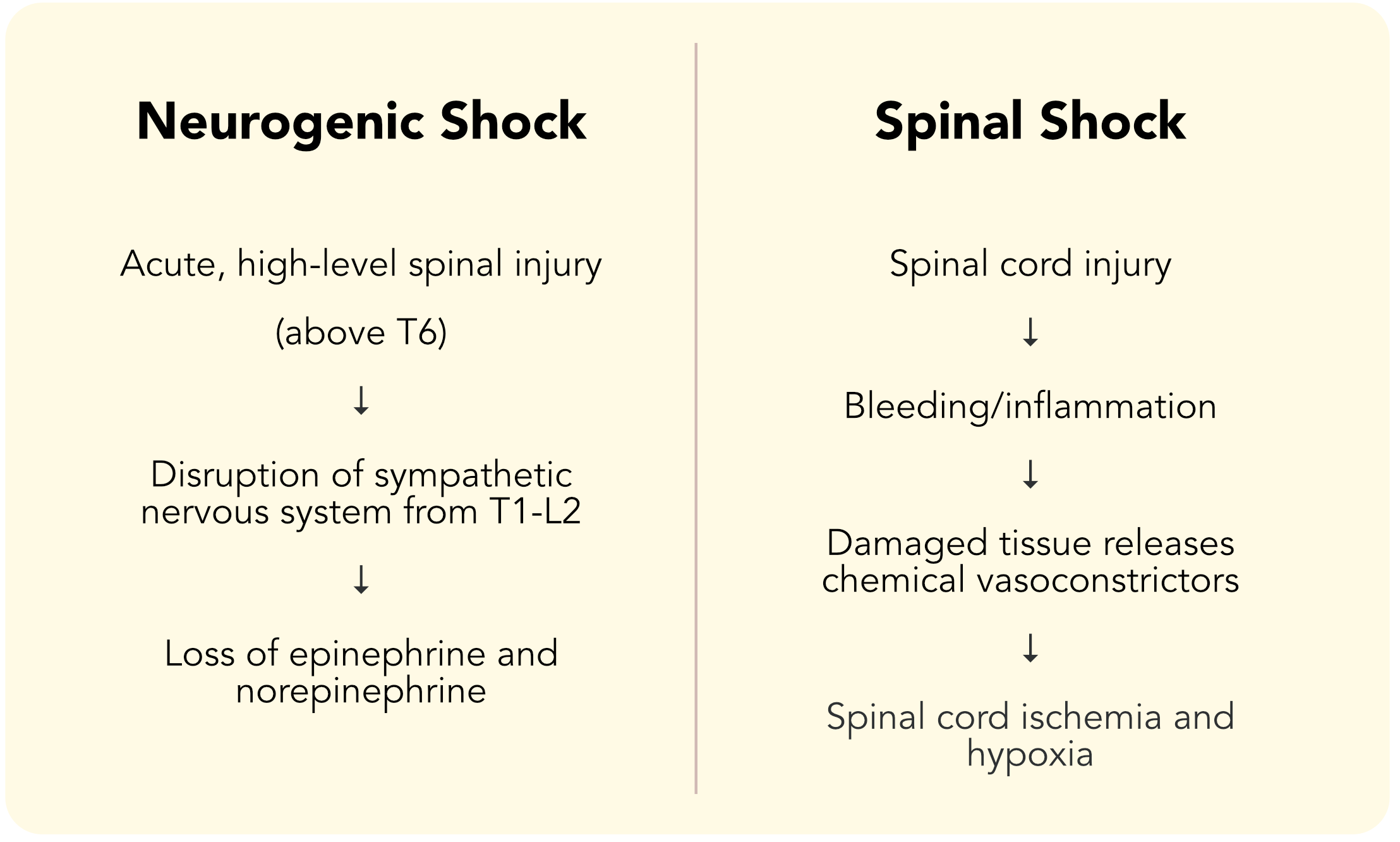
Neurogenic shock and spinal shock differ in their pathophysiology.
What is the Neurological Assessment?
This video explains a structured neurological assessment and how to document findings clearly over time, including motor and sensory checks and how to trend changes. Check out the video below to help ensure consistent monitoring when neurogenic shock is suspected.
Resolution Indicators: Recognizing the End of Spinal Shock
Spinal shock is considered resolved when neurological function begins to return below the level of injury. This does not mean full recovery, but it often includes a gradual return of reflex activity and muscle tone. A common teaching point is the return of specific reflexes, such as the bulbocavernosus reflex, as an early indicator that the spinal shock phase is ending. Providers also look for improving motor responses and sensory findings over repeated exams.
- Reflexes: return of deep tendon reflexes or other spinal reflex activity over time
- Tone: increasing muscle tone compared with the earlier flaccid phase of areflexia
- Motor and sensory trends: improved movement, sensation, or response to stimulation below the lesion
- Documentation: consistent serial neuro checks help recognize meaningful changes
Because recovery varies, focus on trends rather than a fixed timeline. Any sudden deterioration should be escalated promptly.
Comparison: Neurogenic Shock vs Spinal Shock
Use the comparison below for a quick bedside review. It highlights the most useful differences for assessment, documentation, and early management priorities.
| Feature | Neurogenic Shock | Spinal Shock |
|---|---|---|
| What it is | Distributive shock from loss of sympathetic tone | Neurologic suppression below the injury level |
| Primary problem | Hemodynamic instability and perfusion risk | Loss of reflexes, motor, and sensory function |
| Typical onset | Often early after high spinal cord injury | Often early after spinal cord injury |
| Injury level association | Commonly above T6 | Can occur with injuries at various levels |
| Blood pressure | Low due to vasodilation | May be normal unless another shock state exists |
| Heart rate | Often low due to unopposed vagal activity | Usually not defined by bradycardia |
| Skin findings | Often warm and dry from vasodilation | Not a defining feature |
| Reflexes | Not the defining diagnostic clue | Classically decreased or absent below lesion early |
| Key features | Hypotension plus bradycardia after spinal cord injury | Flaccid weakness and sensory loss below injury, then gradual return |
| Primary treatment focus | Support BP and HR, maintain perfusion and MAP goals per order | Serial neuro exams, supportive care, complication prevention |
| Duration pattern | Variable, depends on recovery of sympathetic pathways | Resolves as reflexes and function return, variable by patient |
Quick rule: hypotension plus bradycardia after a high level spinal cord injury points toward neurogenic shock. Absent reflexes and flaccid neurologic findings below the lesion with stable hemodynamics points toward spinal shock.
More Free Resources to Keep You at Your Best
Editorial Note
ACLS Certification Association (ACA) uses only high-quality medical resources and peer-reviewed studies to support the facts within our articles. Explore our editorial process to learn how our content reflects clinical accuracy and the latest best practices in medicine. As an ACA Authorized Training Center, all content is reviewed for medical accuracy by the ACA Medical Review Board.
More to Learn

QRS-complexes less than 0.12 seconds are considered narrow. Read the detailed article to learn the types of, and treatment for, Narrow QRS-Complex Tachycardia.
The treatment and management of a patient after a Cardiac Arrest requires a multidisciplinary approach, which includes Neurological, Respiratory, Hemofiltration care and more. Read the detailed article.