SIADH vs. Diabetes Insipidus
This guide provides a comprehensive clinical comparison of Syndrome of Inappropriate Antidiuretic Hormone (SIADH) and Diabetes Insipidus (DI). Designed for nursing students and healthcare providers, this article breaks down the pathophysiology, key laboratory differentiators, and distinct treatment pathways for these two critical water-balance disorders.
ACLS Certification Association videos have been peer-reviewed for medical accuracy by the ACA medical review board.
Article at a Glance
- Syndrome of inappropriate antidiuretic hormone (SIADH) is characterized by fluid volume excess.
- Diabetes insipidus is characterized by fluid volume deficit and frequent urination.
- Read on to learn about the pathophysiology, etiology, signs and symptoms, and nursing care for SIADH and diabetes insipidus.
- ADH Levels: SIADH features an excess of Antidiuretic Hormone (ADH), while DI features a deficiency (or renal resistance) to ADH.
- Urine Output & Concentration: SIADH causes low, highly concentrated urine output (high specific gravity). DI causes massive, dilute urine output (polyuria with low specific gravity).
- Serum Sodium Trends: SIADH leads to water retention and dilutional hyponatremia. DI leads to free water loss and hypernatremia.
- Treatment Goals: SIADH is treated with fluid restriction and cautious sodium replacement. DI is treated with massive fluid replacement and synthetic ADH (desmopressin).
Introduction to SIADH and Diabetes Insipidus
What is the primary difference between SIADH and Diabetes Insipidus? Simply put, SIADH is the body holding onto too much water, while DI is the body dumping too much water. Both SIADH and diabetes insipidus are disorders involving the posterior pituitary gland and its management of Antidiuretic Hormone (ADH, also known as vasopressin).
To properly understand these conditions, watch our brief video lesson below. It covers the core ADH mechanism, how sodium concentrations shift, and the specific urine findings that differentiate DI from SIADH.
SIADH vs DI: Key Differences (Quick Comparison Table)
| Clinical Marker | SIADH | Diabetes Insipidus (DI) |
|---|---|---|
| ADH Level / Effect | High (Excess) | Low or Ineffective |
| Urine Output | Low (Oliguria) | High (Massive Polyuria) |
| Urine Concentration | Concentrated (High specific gravity & osmolality) | Dilute (Low specific gravity & osmolality) |
| Serum Sodium | Low (Dilutional Hyponatremia) | High (Hypernatremia due to water loss) |
| Serum Osmolality | Low (Dilute blood) | High (Concentrated blood) |
| Key Treatment Strategy | Fluid restriction, Hypertonic saline (if severe) | Fluid replacement, Desmopressin (DDAVP) |
How to Tell Them Apart (Quick Checklist):
- Is the patient urinating constantly (polyuria)? Think DI.
- Is the patient hardly urinating? Think SIADH.
- Is the serum sodium dangerously low? Think SIADH.
- Is the urine pale and watery with a low urine specific gravity and urine osmolality? Think DI.
How are they similar?
While they present as clinical opposites in terms of water balance, SIADH and DI share several foundational similarities:
- Both are profound water-balance disorders.
- Both directly involve the ADH (vasopressin) pathway and the posterior pituitary axis.
- Both share overlapping central nervous system (CNS) triggers, meaning a patient with a traumatic brain injury or recent neurosurgery is at risk for developing either condition.
- Both require strict, continuous nursing priorities regarding fluid intake/output tracking, daily weights, and neurological monitoring.
Do you treat them the same or differently?
Because their pathophysiology is entirely opposite, their treatments must be entirely opposite:
- Fluid Strategy: SIADH requires strict fluid restriction to stop diluting the blood. DI requires massive fluid replacement to prevent severe dehydration and hypovolemic shock.
- Sodium Directionality: In SIADH, providers cautiously replace sodium (sometimes using hypertonic saline) to reverse severe hyponatremia. In DI, the primary goal is replacing free water to lower the dangerously high hypernatremic state.
- Medications: Central DI is treated by replacing the missing ADH with synthetic desmopressin (DDAVP). Conversely, Nephrogenic DI may paradoxically utilize specific diuretics (like hydrochlorothiazide) to alter kidney sodium handling. SIADH may require vasopressin receptor antagonists (vaptans) or loop diuretics.
SIADH
SIADH is an endocrine disorder characterized by severe fluid retention. The pathophysiology, etiology, signs and symptoms, and nursing care are described in the sections below.
Pathophysiology
SIADH is a disorder where the body is unable to suppress the secretion of ADH, leading to too much ADH effect. Normally, ADH is produced in the hypothalamus (and secreted by the pituitary gland) and tells the kidneys to retain water.
When too much ADH is present, the kidneys constantly conserve water instead of excreting it. This leads to drastically reduced urine output (which becomes dark and highly concentrated) and severe systemic water retention.

Antidiuretic hormone tells the kidneys to conserve and hold onto water.
This massive water retention dilutes the blood, resulting in dilutional hyponatremia. This creates a unique state of “euvolemic hyponatremia,” where the patient is overloaded with free water but does not necessarily exhibit gross signs of fluid overload (like massive peripheral edema). One way to remember the pathophysiology of SIADH is by thinking of the word “soggy.” There is too much water in the body.
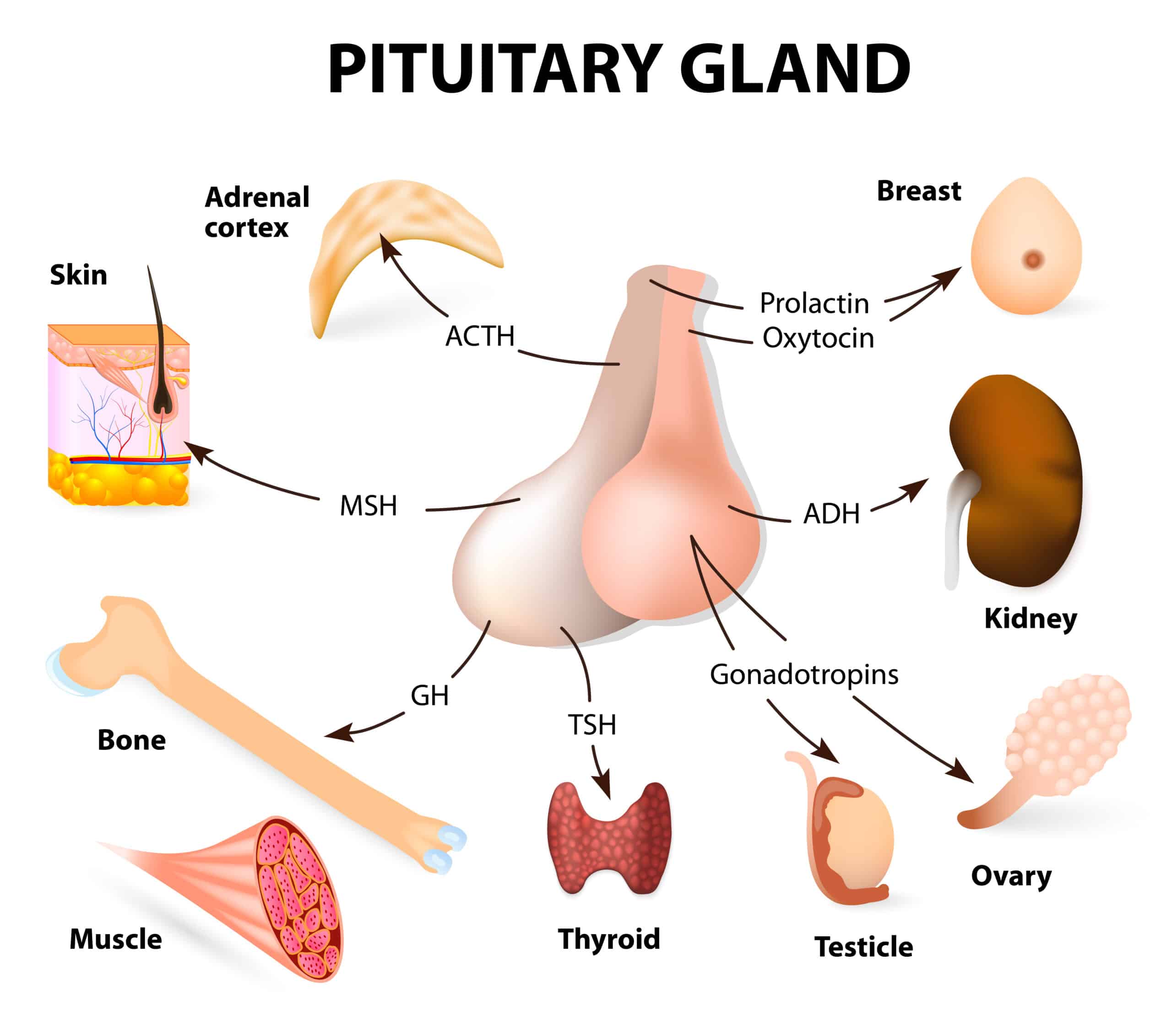
The pituitary gland normally produces antidiuretic hormone (ADH).
Read: Addison Disease vs. Cushing Disease
Etiology
In some cases of SIADH, the disorder is caused by a condition directly affecting the pituitary gland. This could be something like a tumor in the pituitary gland. However, common etiologies of SIADH include:
- Ectopic Production via Malignancy: Oat cell carcinoma (small cell lung cancer) is the most common etiology. The carcinoma itself secretes ectopic ADH independently of the pituitary gland.
- Pulmonary Diseases: Including viral pneumonia. and tuberculosis.
- Central Nervous System (Head) Problems: Head problems include things like head trauma, neurosurgery, stroke, and brain tumors.
- Medications: SSRIs, carbamazepine, and general anesthesia/postoperative stress are known triggers.
Signs and Symptoms
The classic, life-threatening presentation of SIADH is entirely driven by worsening dilutional hyponatremia. The most notable signs and symptoms include:
- Hemodilution & Hyponatremia: When the body retains too much fluid, the patient will present with hemodilution. Their serum sodium will appear very low because it is diluted.
- Neurologic Decline: As sodium drops, brain cells swell (cerebral edema), leading to confusion, lethargy, muscle cramps, and eventually seizures or coma.
- Subtle Volume Signs: While excess fluid volume is present, classic signs like massive pitting edema in the ankles/legs or severe hypertension are often absent or mild because the fluid distributes intracellularly. Bounding pulses may be felt.
Hyponatremia Symptom Severity (SIADH Risk):
| Sodium Range (mEq/L) | Typical Clinical Presentation |
|---|---|
| 130 – 134 (Mild) | Often asymptomatic, or mild nausea, headache, anorexia. |
| 120 – 129 (Moderate) | Vomiting, muscle cramps, weakness, increasing confusion. |
| < 120 (Severe) | Lethargy, profound altered mental status, high risk for seizures, respiratory arrest, and coma. |
Nursing Care
For a patient with SIADH, the immediate nursing priority is strictly enforcing ordered fluid restrictions while carefully tracking their fluid balance and neurological status. The nursing staff will monitor vital signs for complications. Care specifically includes:
- Tracking Lab Trends: Frequently monitoring serum sodium (watching for dangerous drops) and urine specific gravity/osmolality (which will remain highly concentrated in SIADH).
- Inputs and outputs: Strict I/Os to ensure the patient is adhering to their fluid restriction and to monitor for worsening fluid volume overload.
- Daily weights: The most accurate bedside indicator of systemic fluid retention or loss.
- Neurological Checks & Seizure Precautions: Placing the patient on seizure precautions is critical. Sodium plays an important role in nerve transmission. As sodium levels go down in SIADH, the patient’s risk increases for seizures.
- Pulmonary Assessments: Assessing for pulmonary edema, which may develop because of the fluid volume overload.
- Hemodynamic Checks: Tracking heart rate and blood pressure for instability.
Diabetes Insipidus
Regarding ADH water-balance physiology, Diabetes insipidus and SIADH are exact clinical opposites. Once the mechanism of one is understood, so is its opposite.
Pathophysiology
Diabetes insipidus is an endocrine disorder where the kidneys pass an abnormally large volume of dilute, colorless urine. Because the kidneys cannot concentrate urine, they dump massive amounts of free water. This causes severe, rapid dehydration and dangerous hypernatremia (high serum sodium) as the blood becomes highly concentrated. Clinically, diabetes insipidus is marked by frequent urination (polyuria) and intense thirst (polydipsia).
Of note, diabetes insipidus is a completely separate condition from diabetes mellitus. However, increased urination may be observed in both conditions, hence the term “diabetes,” which means urination. In fact, “diabetes insipidus” means “colorless urination,” while “diabetes mellitus” means “sweet urination.”
While rare variants exist (such as dipsogenic diabetes insipidus or gestational diabetes insipidus), there are two main types of diabetes insipidus:
- Central diabetes insipidus, also called neurogenic diabetes insipidus. In central diabetes insipidus, there is a deficiency of ADH from the posterior pituitary due to damage to the pituitary. When the body does not have enough ADH to tell the kidneys to retain water, the result is the kidneys excreting too much water.
- Nephrogenic diabetes insipidus. In nephrogenic diabetes insipidus, adequate ADH is available, but the kidneys are resistant and not able to respond to it. Therefore, the kidneys can’t retain water and high volumes of diluted urine are excreted.
Etiology
The primary etiology of central diabetes insipidus is head problems. That includes patients who have brain injuries, head trauma, neurosurgery, and brain tumors. Alternatively, a high-yield etiology for nephrogenic DI is medication toxicity. Specifically, long-term use of the psychiatric medication Lithium is notorious for causing nephrogenic DI.
Signs and Symptoms
The notable signs and symptoms of diabetes insipidus are entirely tied to profound dehydration and volume loss:
- Frequent urination (Polyuria): Up to 20 liters of fluid may be lost with diabetes insipidus. Unlike SIADH, this urine is incredibly dilute (low specific gravity).
- Fluid volume deficit.
- Hemoconcentration & Hypernatremia: Because the patient is losing massive amounts of pure free water, the sodium left behind in the blood becomes highly concentrated, leading to true hypernatremia.
- Hypotension.
- Compensatory tachycardia. The patient’s pulses will be weak and thready.
- Dry mucous membranes.
- Pale skin.
- Weight loss.
- Hypovolemic shock: The biggest concern with diabetes insipidus is hypovolemic shock. Be cognizant of early signs of shock, such as low blood pressure that does not respond well to fluids.
A common symptom of diabetes insipidus is frequent urination.
Nursing Care
While SIADH nursing care focuses on restricting fluids, Diabetes Insipidus nursing care focuses entirely on preventing hypovolemic collapse by replacing the massive fluid deficits. In diabetes insipidus, the medical team is concerned with fluid volume deficit, while in SIADH they are concerned with fluid volume excess. Therefore, vital signs and monitoring parameters overlap, but the targets are different. Care includes:
- Tracking Lab Trends: Frequently monitoring for rising serum sodium (hypernatremia), rising BUN (indicating severe dehydration), and continuously tracking urine specific gravity/osmolality (which will remain very low).
- Inputs and outputs: Strict I/Os are vital to track massive fluid loss through urination and ensure IV replacement fluids are keeping pace.
- Hemodynamic Checks: Monitoring Heart rate and Blood pressure to detect impending hypovolemic shock.
- Daily weights: Crucial to measure total volume loss.
For central diabetes insipidus, the provider may administer a synthetic antidiuretic hormone called desmopressin. For nephrogenic diabetes insipidus, the provider may be administering diuretics, such as hydrochlorothiazide.
Summary
Both SIADH and diabetes insipidus are critical disorders of the posterior pituitary, though they present as physiological opposites. By referencing the comparison table in this guide, providers can easily differentiate the two: SIADH is characterized by an excess of ADH leading to fluid volume excess, highly concentrated urine, and dilutional hyponatremia. Conversely, diabetes insipidus features a lack of ADH (or renal resistance to it), characterized by massive fluid volume deficit, frequent dilute urination, and hypernatremia. The provider must understand the disorder etiologies and be aware of the exact laboratory and clinical signs of each disorder to provide appropriate, targeted care.
More Free Resources to Keep You at Your Best
Editorial Note
ACLS Certification Association (ACA) uses only high-quality medical resources and peer-reviewed studies to support the facts within our articles. Explore our editorial process to learn how our content reflects clinical accuracy and the latest best practices in medicine. As an ACA Authorized Training Center, all content is reviewed for medical accuracy by the ACA Medical Review Board.
More to Learn

Discover Hs and Ts lessons for pulmonary embolism in our article. Gain insights into identifying and managing potentially reversible causes for improved patient outcomes.
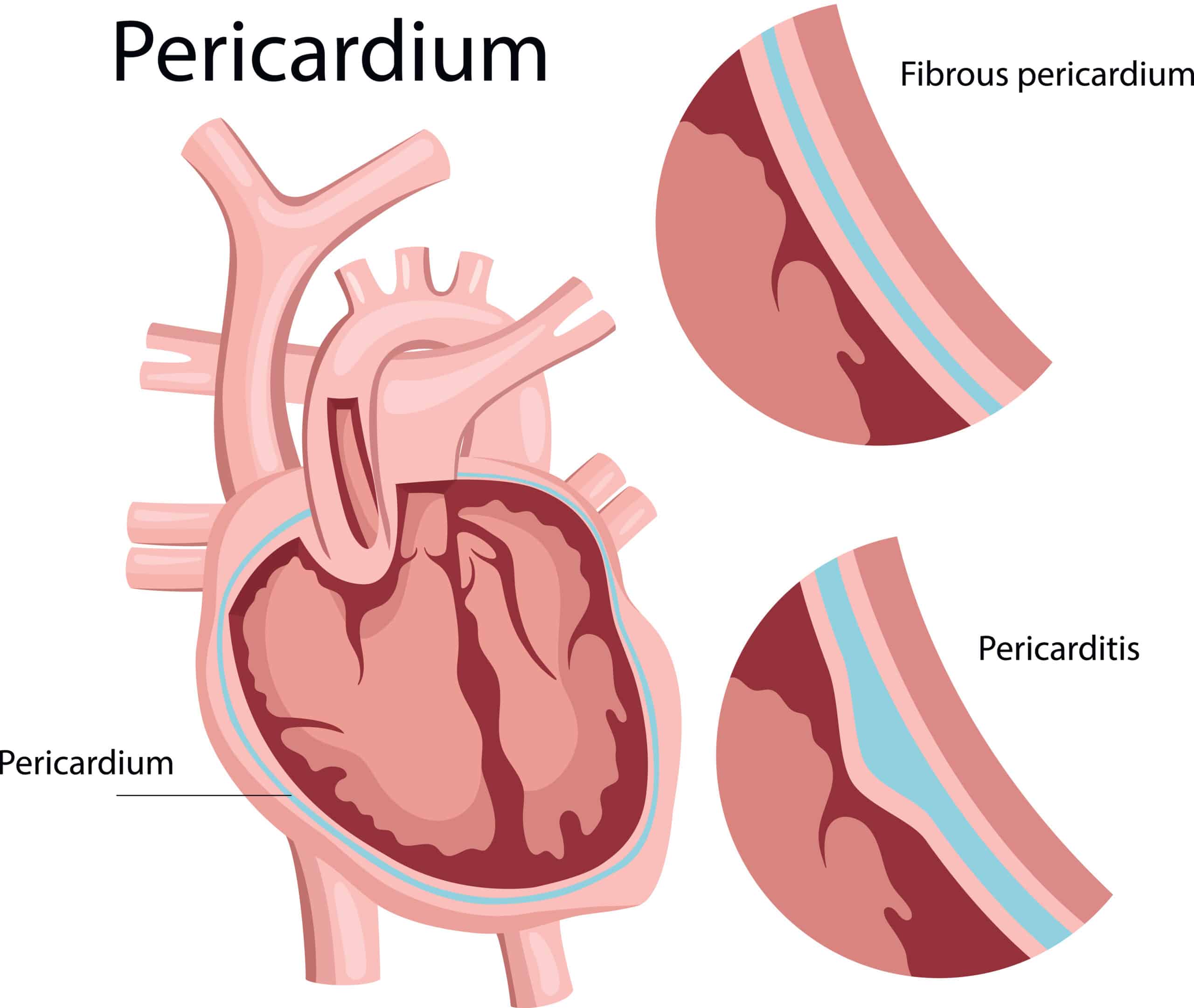
This article and video explain Cardiac Tamponade. Learn the unique signs, symptoms, and nursing care for...