Understanding Asystole: An ACLS Perspective
Asystole has nothing to do with the electrical activity on the monitor; it means “without contraction” and reflects a complete absence of electrical and mechanical heart activity. Accurate recognition depends on proper ECG interpretation. In asystole, the heart is electrically silent and no blood is pumped—it has stopped working. This article explains how to recognize true asystole, distinguish it from pulseless electrical activity (PEA) and fine ventricular fibrillation, and outlines the Advanced Cardiac Life Support (ACLS) priorities for managing this non‑shockable rhythm.
ACLS Certification Association videos have been peer-reviewed for medical accuracy by the ACA medical review board.
Article at a Glance
- Asystole is the absence of electrical and mechanical activity in the heart.
- The first intervention is always chest compressions.
- Epinephrine is the first-line medication for treating asystole.
- The provider should always assess for and treat reversible causes (Hs and Ts)
Asystole is a nonshockable cardiac arrest rhythm that appears as a near flat line on the ECG and indicates the heart is not producing effective electrical activity or mechanical contraction. Differentiating true asystole from pulseless electrical activity (PEA) or fine ventricular fibrillation is vital because each has distinct management pathways. When confronted with asystole, Advanced Cardiac Life Support / ACLS emphasizes high‑quality CPR, early administration of epinephrine, securing the airway and providing ventilation, and a systematic search for reversible causes. This video explains how asystole fits within the broader category of ventricular rhythms encountered during cardiac arrest. It highlights how asystole differs from a shockable rhythm like pulseless ventricular tachycardia, and reinforces why prompt rhythm recognition is essential for guiding appropriate resuscitation efforts. You’ll see asystole as you progress through the adult cardiac arrest algorithm. If the rhythm isn’t shockable, it’s asystole or pulseless electrical activity (PEA). Under normal conditions, the heart electrical system follows a precise and coordinated pathway that allows the heart to beat effectively. Electrical impulses originate in the sinoatrial (SA) node, travel through the atria, pause briefly at the atrioventricular (AV) node, and then propagate through the His-Purkinje system to stimulate ventricular contraction. This orderly conduction ensures adequate cardiac output and systemic blood flow. Understanding this normal electrical sequence makes it easier to recognize when electrical activity is absent, as in asystole. Recognizing asystole on the ECG is a critical skill for healthcare providers during cardiac arrest management. This video reviews the classic ECG features of asystole, including the absence of organized electrical activity, and discusses common pitfalls such as artifact or lead disconnection. During asystole, the heart is not contracting. Providers use the MAP in other formulas to calculate other pressures throughout the body. It is also used as a guideline in certain treatment algorithms, such as the sepsis algorithm. A patient with asystole is unresponsive, pulseless, and apneic or exhibiting agonal respirations. There is no detectable cardiac output, blood pressure, or effective circulation. Skin may appear pale or cyanotic, and pupils are often fixed or sluggish due to cerebral hypoxia. Initial assessment follows Basic Life Support (BLS) and Advanced Cardiac Life Support (ACLS) principles, beginning with rapid confirmation of unresponsiveness and absence of a pulse. Rhythm confirmation should occur in multiple ECG leads to rule out fine ventricular fibrillation or equipment malfunction. Immediate initiation of high-quality CPR is critical while the team simultaneously assesses airway patency, oxygenation, and potential reversible causes. Minimizing interruptions and rapidly progressing through the cardiac arrest algorithm significantly improves the likelihood of successful resuscitation. Asystole represents clinical death, defined by the cessation of cardiac activity and the absence of effective circulation. At this stage, organ perfusion has stopped, but cellular injury may still be reversible if prompt resuscitation is initiated. Brain death occurs later and reflects irreversible neurological injury due to prolonged hypoxia and ischemia. During the early minutes of asystole, aggressive CPR and ACLS interventions can restore circulation and preserve neurological function. This narrow therapeutic window underscores the urgency of immediate recognition, early CPR, and rapid correction of reversible causes to prevent permanent brain injury and death. Asystole is characterized by a complete absence of ventricular electrical activity on the ECG and is classified as a non-shockable rhythm. In contrast, pulseless electrical activity (PEA) presents with organized electrical activity but no effective mechanical contraction or pulse. Ventricular fibrillation (VF) involves chaotic, disorganized electrical activity and is a shockable rhythm requiring immediate defibrillation. Differentiating between these rhythms is essential, as treatment pathways differ significantly between shockable and non-shockable cardiac arrest rhythms. Accurate rhythm recognition ensures appropriate use of defibrillation, medications, and CPR strategies, directly impacting patient outcomes. Asystole is one of the most common presenting rhythms in out-of-hospital cardiac arrest and is associated with exceptionally low survival rates. Statistically, the percentage of patients who survived to hospital admission is small, and even fewer survived to hospital discharge. Outcomes are generally more favorable in in-hospital cardiac arrest due to faster recognition, immediate CPR, and rapid access to advanced interventions. Prognosis depends on multiple factors, including time to CPR initiation, underlying etiology, patient comorbidities, and quality of post-resuscitation care. Early intervention remains the strongest predictor of survival and neurological recovery. Several conditions predispose individuals to asystole, including severe hypoxia, massive myocardial infarction (often a direct consequence of advanced coronary artery disease), advanced heart disease, electrolyte abnormalities, drug overdose, and prolonged untreated cardiac arrest. Patients with chronic respiratory failure, renal disease, or those taking medications that depress cardiac conduction are also at increased risk. Early recognition of high-risk individuals allows preventive strategies and timely intervention, reducing the likelihood of progression to cardiac arrest.Ventricular Rhythms and Asystole
The Heart’s Electrical Symphony: How It Normally Works
ECG Rhythm Review – Asystole
Clinical Presentation and Initial Assessment
Clinical Death vs. Brain Death in Asystole
Differentiating Asystole: PEA and Ventricular Fibrillation
Epidemiology and Prognosis of Asystole
Who Is at Risk? Identifying Asystole Risk Factors
Treating Asystole
During asystole, immediately begin chest compressions and administer a 1 mg epinephrine 1:10,000 IV push with a flush. Epinephrine is indicated because it may start a stopped heart.
Asystole is a nonshockable rhythm. This emergency treatment focuses on immediate high‑quality CPR, rapid identification and correction of reversible causes, and appropriate medication support; when hypovolemia is suspected, follow the hypovolemia management checklist to prioritize rapid IV/IO resuscitation and hemorrhage control without delaying compressions. The following video summarizes the key treatment priorities and what to do next when the monitor shows a flatline rhythm.
High-Quality Cardiopulmonary Resuscitation (CPR)
Airway Management in Asystole
Epinephrine
ACLS epinephrine is the primary medication used during asystole resuscitation. This video reviews its mechanism of action, dosing, and role in improving coronary and cerebral perfusion during CPR.
After you defibrillate the patient, begin chest compressions and administer epinephrine.
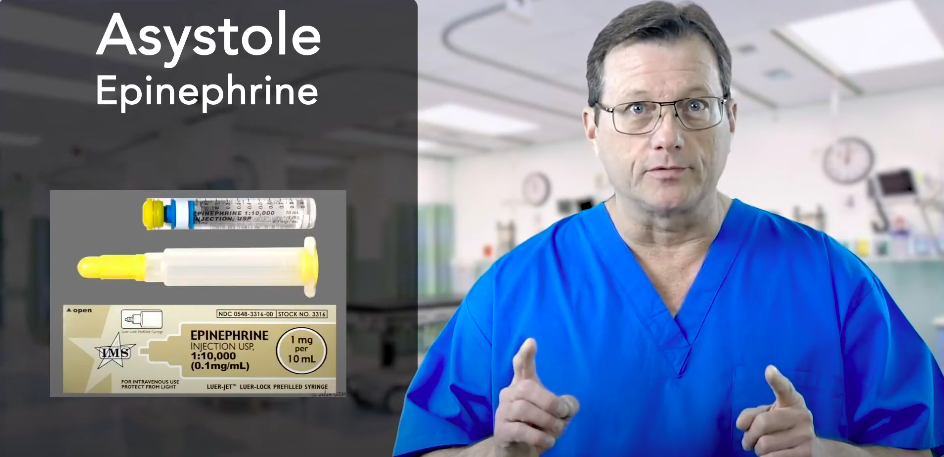
After defibrillating the patient, give chest compressions and IV epinephrine.
Asystole or PEA may occur right after defibrillation because the patient was in ventricular fibrillation (VF), and you shocked them into asystole unknowingly. That’s why the American Heart Association (AHA) recommends chest compressions and IV epinephrine immediately after defibrillation.
While asystole is usually a terminal event, you can hope to quickly find a treatable cause via the Hs and Ts.
Read: General Stroke Care
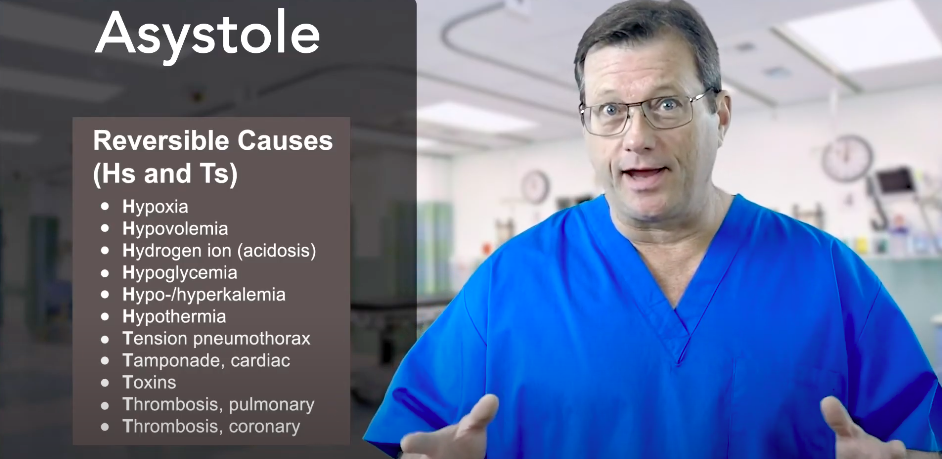
The Hs and Ts of asystole.
Beyond Resuscitation: Post-Cardiac Arrest Care (Care After ROSC)
After return of spontaneous circulation (ROSC), care focuses on optimizing oxygenation, maintaining hemodynamic stability, controlling temperature, and identifying the cause of arrest. Early post-resuscitation management significantly impacts neurological outcomes.
The H’s and T’s: Identifying and Treating Reversible Causes of Asystole
The H’s and T’s represent potentially reversible causes of cardiac arrest. Rapid identification and targeted treatment of these conditions during resuscitation can restore circulation and improve survival.
The H’s
- Hypoxia: Ensure airway patency, provide 100% oxygen, and confirm ventilation.
- Hypovolemia: Administer rapid IV or IO fluid resuscitation and control hemorrhage if present.
- Hydrogen ion (Acidosis): Provide effective ventilation and consider sodium bicarbonate in severe metabolic acidosis.
- Hypo-/Hyperkalemia: Treat with calcium, insulin with glucose, or sodium bicarbonate as indicated.
- Hypothermia: Initiate active rewarming and continue resuscitation until normothermia is achieved.
The T’s
- Tension pneumothorax: Perform immediate needle decompression.
- Tamponade (cardiac): Consider pericardiocentesis.
- Toxins: Identify and administer appropriate antidotes when available.
- Thrombosis (coronary): Treat with reperfusion therapy after ROSC.
- Thrombosis (pulmonary): Consider thrombolytics in suspected massive pulmonary embolism.
This section summarizes key reversible causes. For a detailed breakdown, see our full guide on Hs and Ts in Cardiac Arrest.
Diagnostic Workup: Uncovering the Cause of Asystole
Once immediate resuscitative efforts are underway, identifying the underlying cause of asystole is critical to guide ongoing treatment and prevent recurrence. Diagnostic evaluation extends beyond ECG interpretation and incorporates laboratory testing, bedside assessments, and targeted imaging when feasible.
Initial laboratory studies often include arterial blood gas analysis to assess hypoxia and acid–base disturbances, serum electrolytes to identify abnormalities such as hyperkalemia or hypokalemia, and glucose testing to rule out severe hypoglycemia. Cardiac biomarkers may help identify acute myocardial infarction when return of spontaneous circulation (ROSC) is achieved.
Bedside ultrasound has become an essential diagnostic tool during cardiac arrest, allowing clinicians to rapidly evaluate cardiac activity, volume status, signs of cardiac tamponade, and massive pulmonary embolism without interrupting CPR. A focused patient history, medication review, and scene assessment can further reveal clues such as drug overdose, trauma, or prolonged downtime.
Together, these diagnostic measures support rapid identification of reversible causes while resuscitation continues, improving the likelihood of successful intervention and meaningful recovery.
Life After Asystole: Long-Term Outlook and Challenges
Survivors of asystole face significant long-term challenges that extend well beyond the initial resuscitation. Neurological injury is a major concern due to prolonged cerebral hypoxia during cardiac arrest, with outcomes ranging from mild cognitive impairment to severe anoxic brain injury.
Physical complications may include reduced cardiac function, fatigue, and decreased exercise tolerance. Psychological effects such as anxiety, depression, and post-traumatic stress disorder are also common among survivors and their families. These challenges highlight the importance of structured post-resuscitation care, neurological evaluation, and multidisciplinary rehabilitation.
Long-term prognosis depends on the duration of arrest, speed of intervention, underlying cause, and quality of post-cardiac arrest care. Early rehabilitation, follow-up with cardiology and neurology specialists, and psychosocial support significantly improve quality of life after survival.
Prevention and Patient Education: Minimizing Risk and Maximizing Preparedness
Preventing asystole begins with early identification and management of conditions that increase the risk of cardiac arrest. Patients with known heart disease, electrolyte imbalances, respiratory failure, or medication toxicity benefit from close monitoring and timely intervention.
Patient education plays a vital role in prevention. Teaching patients and caregivers to recognize warning signs such as syncope, severe bradycardia, chest pain, and shortness of breath can prompt early medical evaluation. Adherence to prescribed medications, regular follow-up with healthcare providers, and lifestyle modifications such as smoking cessation and cardiovascular risk reduction further decrease risk.
Community education initiatives, including CPR training and public access defibrillation programs, enhance preparedness and improve survival outcomes when cardiac arrest occurs.
Team Approach to Asystole: Interprofessional Collaboration
Effective management of asystole requires seamless collaboration among healthcare professionals. Emergency medical services, emergency physicians, critical care nurses, respiratory therapists, cardiologists, and pharmacists each play a vital role during resuscitation and post-arrest care.
Clear communication, defined leadership, and shared mental models ensure that high-quality CPR, airway management, medication administration, and diagnostic evaluations occur without delay. Post-resuscitation, coordinated care across specialties supports neurological recovery, hemodynamic stabilization, and long-term rehabilitation.
Interprofessional teamwork improves efficiency, reduces errors, and directly contributes to improved patient outcomes in cardiac arrest management.
Summary
A patient in asystole has an electrically silent heart with no mechanical contractions. Providers may unknowingly shock patients into asystole, so the AHA recommends immediate chest compressions and IV epinephrine following defibrillation. While asystole can be a terminal event, check your Hs and Ts to find a treatable, reversible cause.
More Free Resources to Keep You at Your Best
Editorial Note
ACLS Certification Association (ACA) uses only high-quality medical resources and peer-reviewed studies to support the facts within our articles. Explore our editorial process to learn how our content reflects clinical accuracy and the latest best practices in medicine. As an ACA Authorized Training Center, all content is reviewed for medical accuracy by the ACA Medical Review Board.
More to Learn
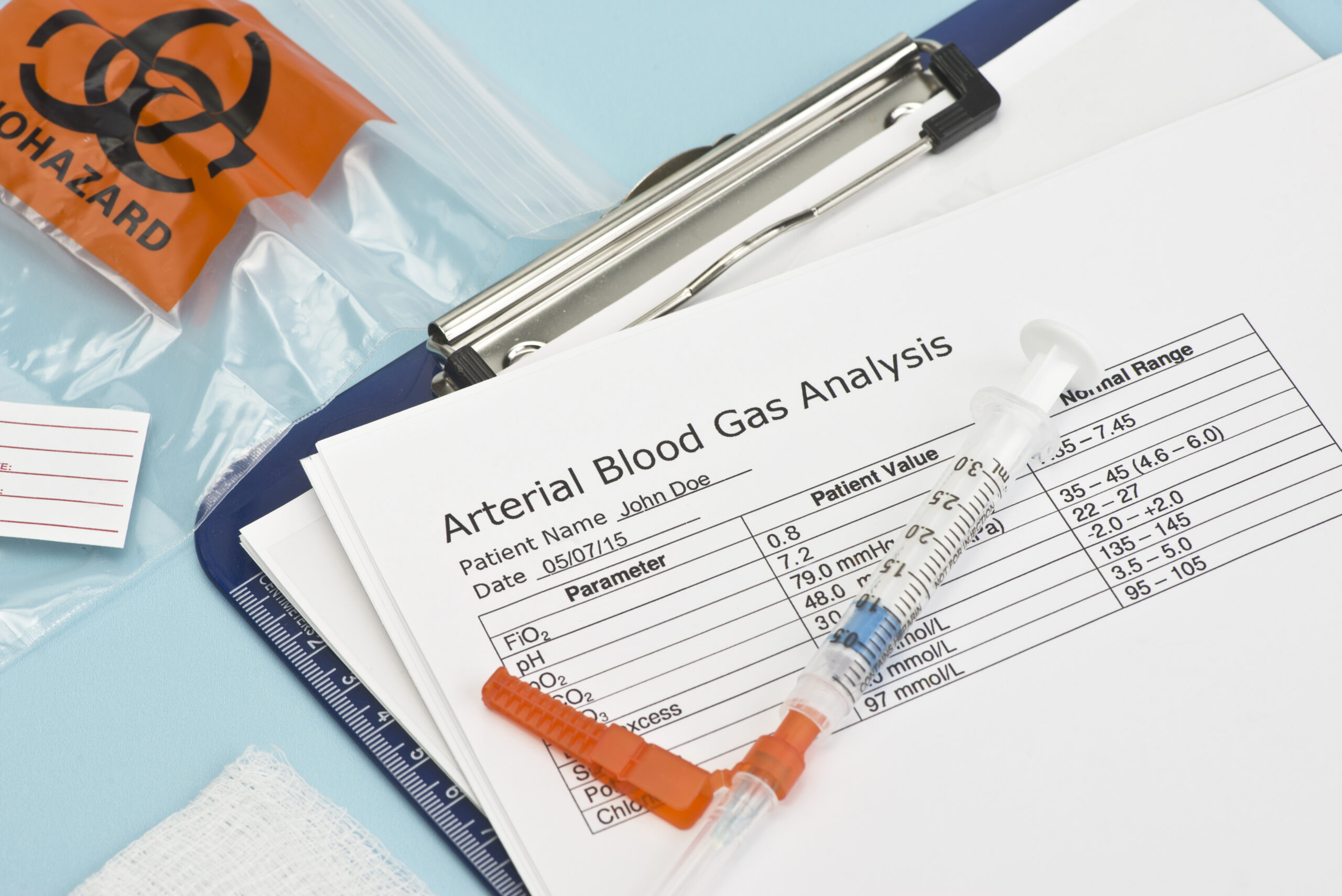
This article and video show An Easy Way to Interpret Arterial Blood Gases. Learn how to interpret arterial blood gases...
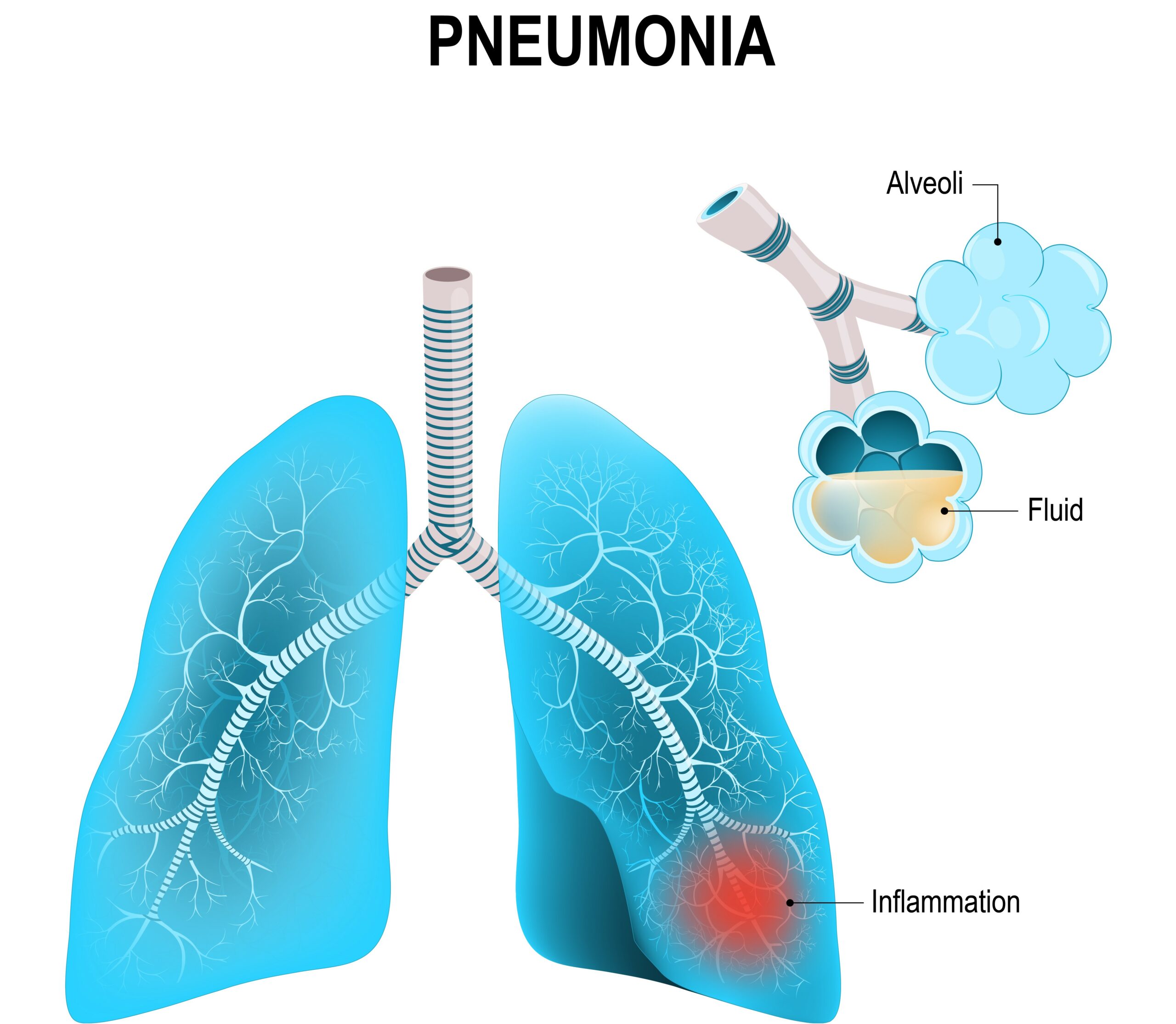
This detailed article and video explore Three Common Types of Pneumonia. Learn about the risk factors and unique signs and symptoms...