Three Common Types of Pneumonia (Lobar, Bronchopneumonia, Interstitial)
Designed for healthcare professionals and nursing students, this article covers the fundamental aspects of pneumonia, guiding readers through identifying and distinguishing its common clinical patterns. By the end of this guide, you will be able to recognize the distinct presentations of the three common lung-pattern types of pneumonia. Please note that while this article utilizes an anatomic or lung-pattern classification, pneumonia can also be categorized in other ways, such as by its root cause or the setting in which it was acquired.
ACLS Certification Association videos have been peer-reviewed for medical accuracy by the ACA medical review board.
Article at a Glance
- Pneumonia is an infection causing inflammation in one or both lungs with fluid and pus build-up in the alveoli.
- Three common types of pneumonia are lobar, bronchopneumonia, and interstitial pneumonia.
- Clinicians will learn about the risk factors and unique signs and symptoms for different types of pneumonia.
- While this article details the three common lung-pattern types (lobar, bronchopneumonia, and interstitial), other common “types” groupings exist, such as by cause (bacterial, viral) and by acquisition setting.
Understanding the specific “type” of pneumonia matters significantly, as it directly influences accurate diagnosis and appropriate treatment choices.
What causes pneumonia?
As a major infectious disease, pneumonia can have many causes and is often grouped by the specific type of pathogen responsible, such as bacteria viruses fungi and other microbes, in addition to the lung-pattern types discussed later in this article. Clinicians cannot always identify the exact germ causing the illness, and overlap between clinical presentations is common. Furthermore, pneumonia is frequently classified by its acquisition setting, creating categories such as community-acquired pneumonia (CAP), hospital-acquired pneumonia (HAP), and ventilator-associated pneumonia (VAP). In healthcare environments, proper infection control and isolation precautions help reduce transmission risks and support prevention efforts for hospital-acquired and ventilator-associated infections.
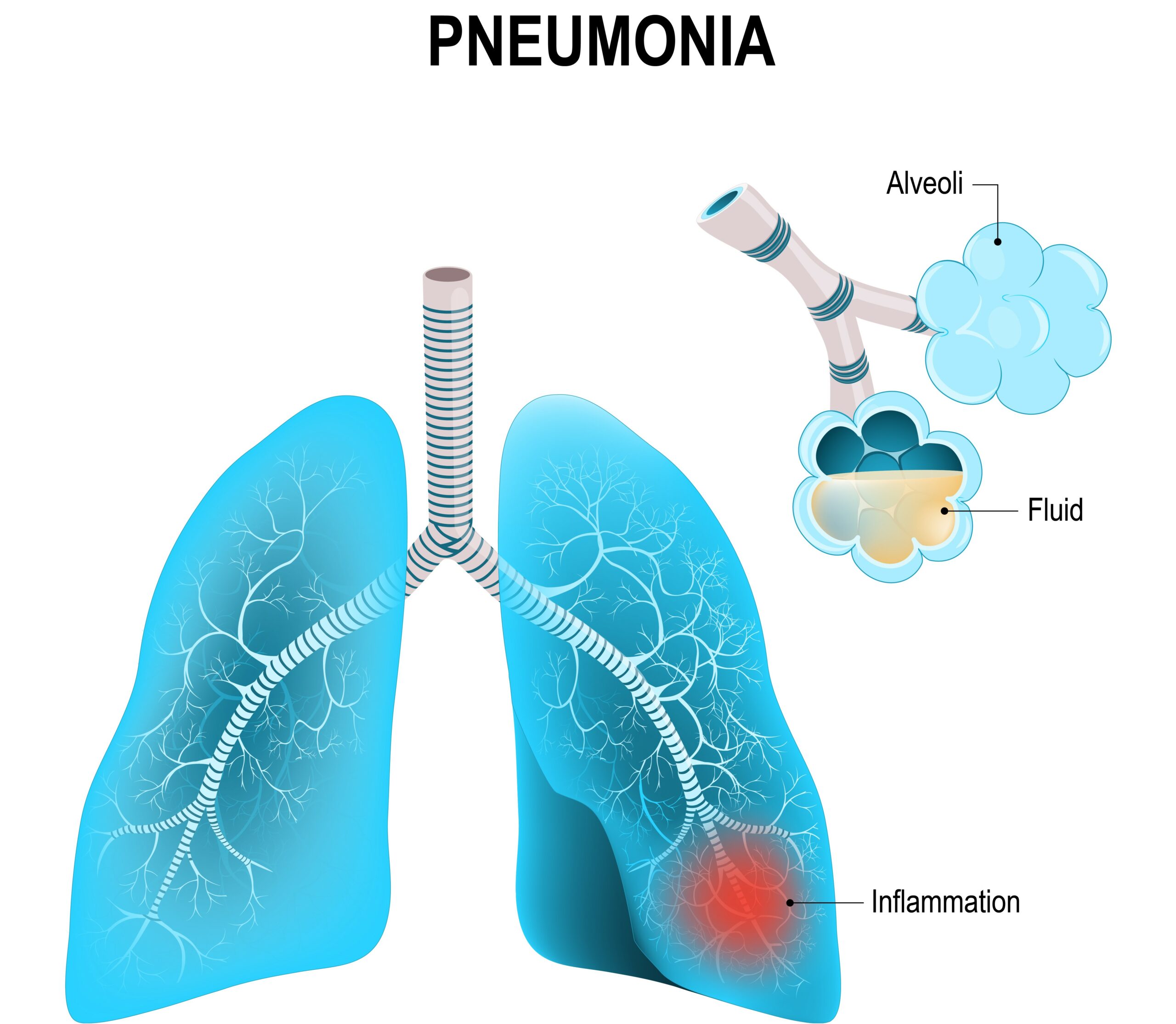
Pneumonia causes pus or fluid build-up in the alveoli.
Risk Factors of Pneumonia
Understanding who is susceptible to pneumonia requires looking at both demographic vulnerabilities and specific clinical situations.
Who is most at risk?
- The Elderly: Older adults have decreased immune responses due to age and are more at risk for developing pneumonia as a secondary infection. For example, if a 75-year-old patient with diabetes and heart disease contracts a primary viral infection (like the flu), they’re at a much higher risk for that progressing into a severe bacterial or viral pneumonia compared to a healthy 20-year-old.
- Very Young Children: Infants and toddlers have developing immune systems that make them highly susceptible to severe respiratory infections. Providers treating pediatric populations frequently rely on PALS Certification skills when managing resulting respiratory distress.
- The Immunocompromised: Patients with chronic diseases (such as diabetes, congestive heart failure, cancer, and autoimmune diseases), as well as those receiving chemotherapy, high-dose steroids, or immunosuppressants, are at a significantly higher risk.
Common Clinical and Lifestyle Risk Factors:
- Decreased Level of Consciousness (LOC): A decreased LOC may cause aspiration pneumonia because these patients are at risk for aspiration (inhaling foreign material, like food or saliva, into the airway). Trouble coughing up and clearing secretions is a prominent contributing factor.
- Intubation: Another risk factor is intubation with mechanical ventilation. When a patient is on a ventilator, they are not able to protect their airway or cough up secretions, relying entirely on the nurse to suction the airway clean.
- Smoking: Smoking decreases the action of the cilia within the respiratory tract. Cilia are little hair-like tendrils that help move mucus up and out; decreased ciliary action heavily increases the risk for pneumonia.
To combat clinical risks, many hospitals have implemented a “ventilator bundle”—a protocol nurses and respiratory therapists follow to help prevent patients from contracting ventilator-associated pneumonia (VAP). This bundle includes keeping the head of the bed raised, performing oral care every two hours, suctioning as needed, turning every two hours, and administering gastrointestinal (GI) prophylaxis and deep vein thrombosis (DVT) prophylaxis. These measures are critical prevention strategies specifically targeting the VAP “type” of pneumonia.
Three Main Types of Pneumonia
What are the symptoms of pneumonia? Generally, patients present with a cough, fever, chills, and shortness breath. However, there are three main types of pneumonia that have slightly different causes and present with unique diagnostic nuances. It is important to clarify that these three categories represent lung-pattern or anatomic patterns, which is just one way pneumonia is categorized in medicine. They are:
- Lobar
- Bronchopneumonia
- Interstitial
| Lobar | Bronchopneumonia | Interstitial | |
|---|---|---|---|
| Commonly Caused By: | Often Streptococcus pneumoniae | Multiple bacteria (often aspiration-related) | Viruses, fungi, opportunistic infections (e.g., PCP) |
| Distinguishing Signs & Symptoms: |
|
|
|
Note: Sputum color and breath sounds are not definitive diagnostic markers; clinicians must always confirm these clinical clues with proper imaging and laboratory testing.
Read: Care of Burn Patients
How is pneumonia diagnosed?
Diagnosing pneumonia requires a multi-step workflow. Clinicians begin with a thorough medical history and physical exam, paying close attention to lung sounds, oxygen saturation, and risk factors. To confirm the diagnosis and determine the specific lung-pattern type, providers rely on common tests such as a chest X-ray, sputum cultures, and blood tests. As noted above, clinicians use specific imaging patterns—like solid lobar consolidations versus diffuse, hazy ground-glass opacities—to directly support and classify the lung-pattern type affecting the patient.
Lobar
Lobar pneumonia is one of the most common types. It is also called pneumococcal pneumonia because the most common bacteria responsible is Streptococcus pneumoniae (also known as S. pneumoniae or strep pneumoniae).
Clinicians administer antibiotics to patients with lobar pneumonia because it is a bacterial infection. When uncomplicated, it often responds well to targeted antibiotics and typically has a favorable prognosis compared to severe opportunistic infections.
Signs and Symptoms
Diagnosis relies on patient history, physical exam findings, and targeted imaging. While patients with any pneumonia will cough, clinicians must pay close attention to the type of cough, the color of the sputum, and the specific breath sounds heard.
The Sputum: Bacteria flood the alveoli, causing an inflammatory response that damages the alveolar capillaries. White blood cells and red blood cells leak into the airway, which can create a distinct, rusty-colored sputum. Caution: While rusty-colored sputum is a classic teaching point for lobar pneumonia, it is not always present and is never diagnostic on its own.
The Lung Sounds: As fluid and exudate fill the lung tissue—a process known as consolidation—it acts as a sound magnifier. During auscultation (listening with a stethoscope), a clinician will often hear crackles (popping sounds caused by fluid build-up and alveolar collapse) and magnified, deep bronchial breath sounds over the affected lung field, rather than normal bronchovesicular sounds.
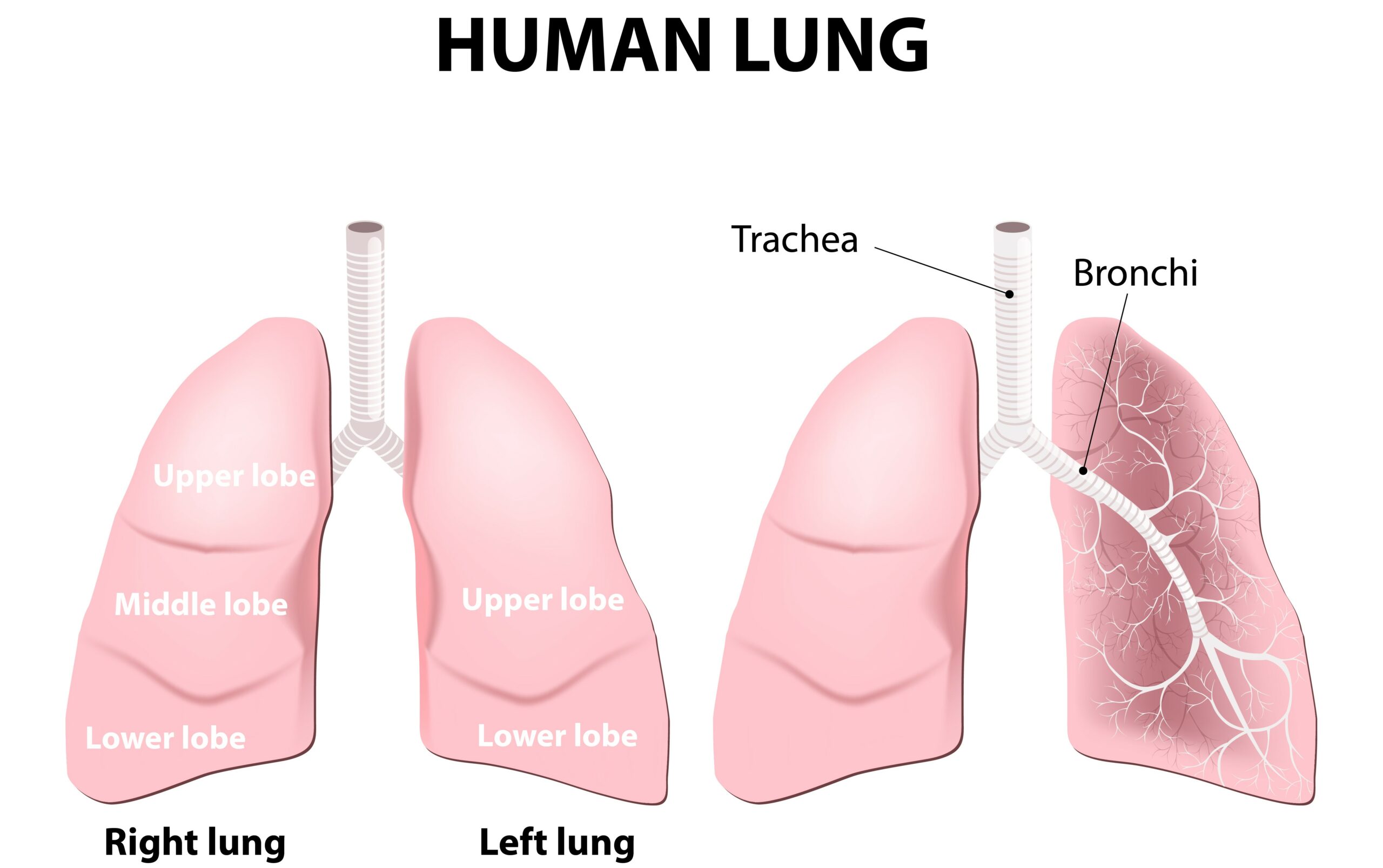
In lobar pneumonia, consolidation may be limited to just one lobe or multiple.
For example, right middle lobe pneumonia will eventually cause fluid consolidation strictly in the right middle lobe, which will also be clearly displayed on a chest X-ray.
Bronchopneumonia
Bronchopneumonia is a pattern that can arise from multiple causes, with aspiration being a highly significant and common example. For example, a patient with a stroke or decreased LOC may aspirate. Aspiration leaves patients open to a plethora of bacteria, and when a patient aspirates vomit or food, multiple bacteria may grow.
It can be difficult to treat aspiration-related bronchopneumonia because multiple bacteria are often involved.
Signs and Symptoms
These mixed bacterial infections frequently cause a yellowish-green sputum. However, it is important to note that although yellowish-green sputum can occur, it is not unique or definitive for bronchopneumonia; providers must connect these physical findings to imaging and laboratory testing for a final diagnosis.
Interstitial Pneumonia
Interstitial pneumonia refers to a broader category of lung diseases causing fluid build-up in the interstitial space (the tissue and space surrounding the air sacs). Atypical pathogens, such as the bacteria responsible for mycoplasma pneumonia, often present with this diffuse pattern. Additionally, Pneumocystis pneumonia (PCP) is one important example of an opportunistic infection that presents this way. It mostly affects the immunocompromised, such as patients with HIV/AIDS or those on high-dose immunosuppressants.
The fungus Pneumocystis jirovecii (formerly called Pneumocystis carinii) causes PCP. Patients with AIDS are highly susceptible to opportunistic infections like PCP due to their weakened immune systems, and if left untreated, it can become a serious and potentially deadly complication.
Signs and Symptoms
The mechanism of interstitial pneumonia follows a distinct sequence:
- First, the organism or inflammation invades the alveoli.
- This triggers an inflammatory response that results in fluid leakage into the surrounding tissue, which can eventually cause alveolar necrosis (killing off the alveoli).
- As the respiratory tract becomes highly irritated, the patient develops a non-productive, dry cough with little to no mucus, attempting to expel the foreign substance.
Because the pneumonia isn’t neatly consolidated to just one lobe, interstitial pneumonia typically expresses as a ground-glass appearance on a chest X-ray (appearing hazy and diffuse). In chronic or severe cases, it can also present as honeycombing, which indicates cystic spaces and scarring in the lungs.
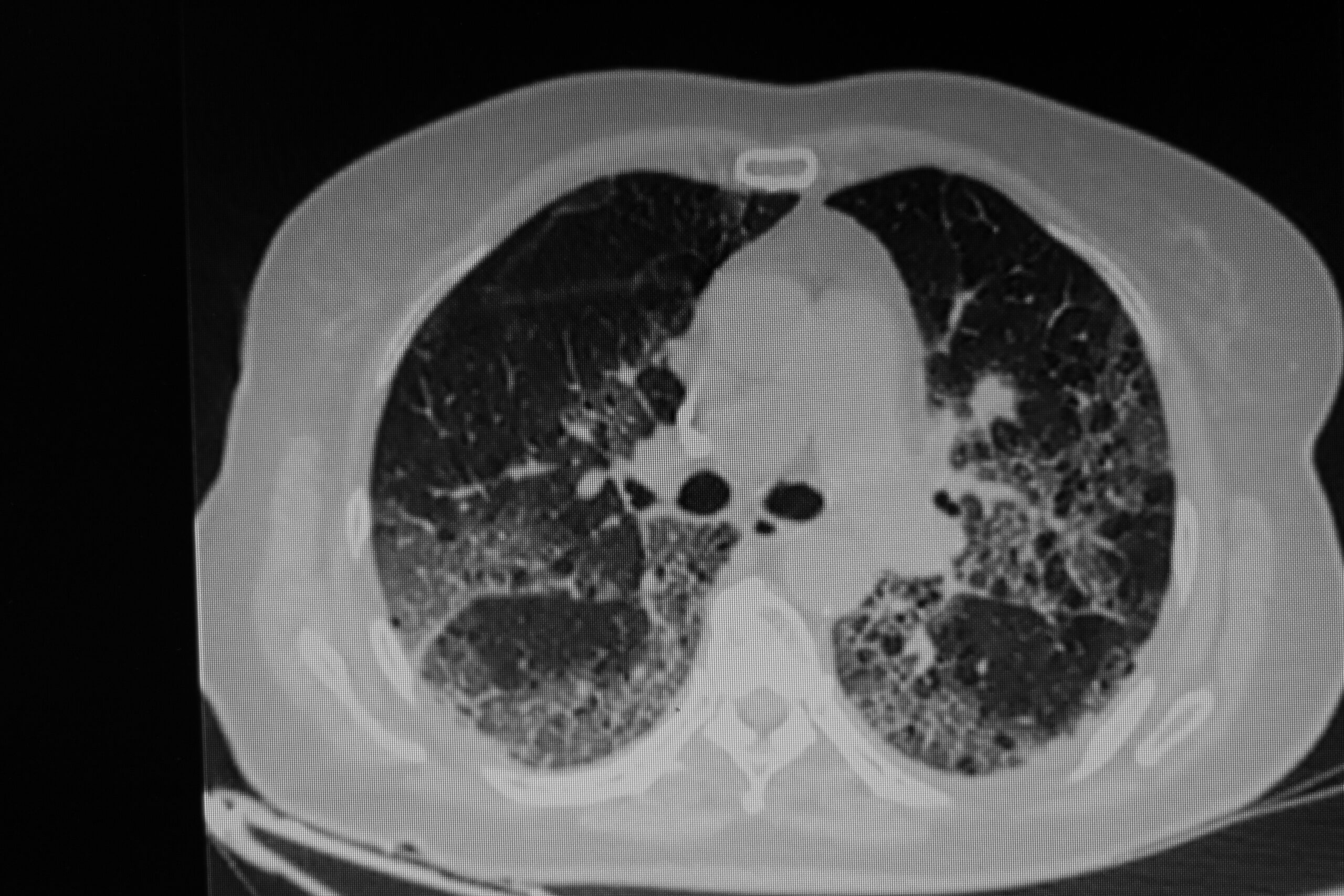
A chest X-ray highlighting ground-glass opacities.
Practical Takeaway: Clinicians should be highly suspicious of interstitial processes when an immunocompromised patient presents with profound hypoxia but lacks thick, productive sputum.
The three basic types of pneumonia are lobar, bronchopneumonia, and interstitial pneumonia. They each present unique signs and symptoms, and clinicians should pay attention to the patient’s cough type and sputum color. Lobar is the least fatal and most easily treatable, and interstitial is the most difficult.
How is pneumonia treated?
The treatment for pneumonia is highly individualized and depends heavily on both the underlying cause (bacterial, viral, fungal, or opportunistic) and the severity of the illness. Mild cases may be treated at home with oral medications and rest, while severe cases involving respiratory distress, extreme age, or compromised immunity require hospital admission for IV fluids, oxygen therapy, and respiratory support. While waiting to confirm the exact cause with laboratory testing, clinicians will frequently start patients on empiric therapy (broad-spectrum antibiotics) to fight the infection immediately.
Summary
The three basic types of pneumonia discussed here are lobar, bronchopneumonia, and interstitial pneumonia. By recognizing the distinct clinical patterns, such as cough type, symptom onset, and auscultation findings, clinicians can better anticipate the underlying pathophysiology. However, physical symptoms alone are never enough; providers must always confirm their suspicions with targeted imaging and laboratory tests, ultimately guiding a treatment plan based on the specific root cause and the severity of the patient’s condition.
More Free Resources to Keep You at Your Best
Editorial Sources
ACLS Certification Association (ACA) uses only high-quality medical resources and peer-reviewed studies to support the facts within our articles. Explore our editorial process to learn how our content reflects clinical accuracy and the latest best practices in medicine. As an ACA Authorized Training Center, all content is reviewed for medical accuracy by the ACA Medical Review Board.
1. Torres A, Peetermans WE, Viegi G, Blasi F. Risk factors for community-acquired pneumonia in adults in Europe: a literature review. Thorax. 2013;68(11):1057-1065. doi:10.1136/thoraxjnl-2013-204282
2. Henig O, Kaye KS. Bacterial Pneumonia in Older Adults. Infect Dis Clin North Am. 2017;31(4):689-713. doi:10.1016/j.idc.2017.07.015
More to Learn
This article and video make understanding Mitral vs. Aortic Murmurs easy. Learn how murmurs differ in mitral valvular disease...

This article and video compare SIADH vs. Diabetes Insipidus. Learn the pathophysiology, etiology, signs, symptoms, and nursing care...