Hs and Ts

Graphic at a Glance
- The team accurately identifies potential causes of cardiac arrest.
- When caring for a specific patient, the team understands the assessment, findings, and symptoms for each cause.
- The team understands the appropriate treatments and interventions for each of the reversible causes of cardiac arrest.
Goals for Identification of Hs and Ts
The team will be able to:
- Identify the potentially reversible causes of cardiac arrest (the Hs and Ts)
- Understand the assessments and findings associated with each cause
- List the interventions for each of the findings
Table of Contents
The Hs and Ts Explained
Each member of the resuscitation team understands the possible reversible causes of cardiac arrest, including how to assess for and treat each cause.
These reversible causes are referred to as the Hs and Ts and include:
- Hypovolemia: This is typically caused by bleeding or other fluid loss and is corrected by the administration of fluid or blood.
- Hypoxia: Hypoxia is often caused by medications or other poisonings or drowning and can be corrected by assisted ventilation, oxygenation, and high-quality CPR as needed.
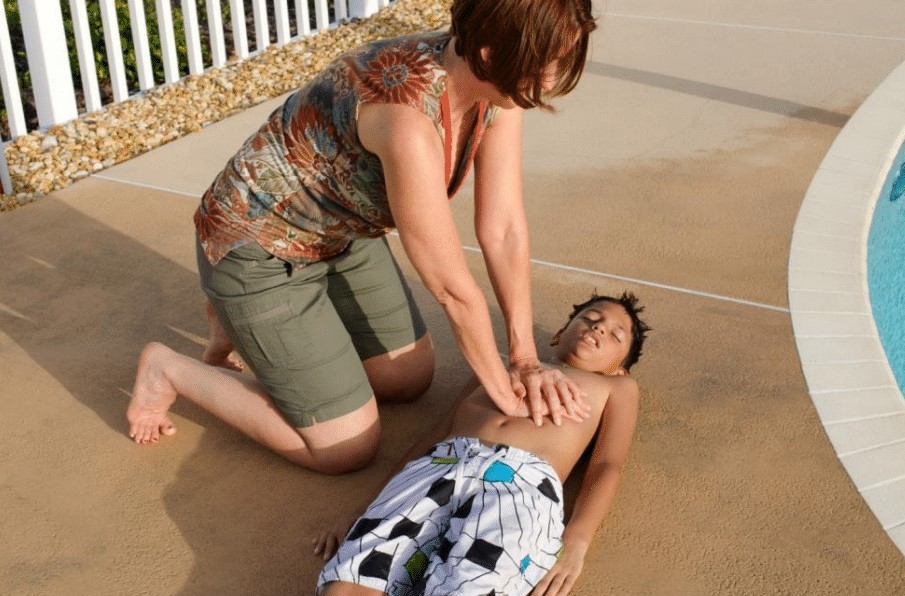
Drowning can lead to hypoxia, a state where the body does not have enough oxygen.
- Hydrogen ion excess (Acidosis): Acidosis can be caused by respiratory or metabolic issues, renal failure, or drug overdoses and must be corrected by correcting the underlying abnormality. In severe cases, the clinician can consider the administration of sodium bicarbonate.
- Hypo/Hyperkalemia: Fluctuations in potassium levels can be caused by renal failure, crush injuries, or nausea and vomiting. In the case of a potassium deficit, the electrolyte must be replaced. When there is too much potassium, the clinician must consider the administration of calcium chloride, glucose with insulin, or sodium bicarbonate.
- Hypothermia: Exposure to cold environments is the primary cause of hypothermia. Immediate treatment includes rewarming until the core temperature is above 86°F (30°C).
- Tension pneumothorax: One of the most common causes of tension pneumothorax is positive pressure ventilation. Others include trauma, asthma, and COPD. Emergency treatment includes needle decompression. If a chest tube setup is immediately available, that is the treatment of choice.
- Tamponade (cardiac): Although there can be many causes for cardiac tamponade, the most common in a resuscitation scenario are trauma and cardiac compressions. Treatments include fluid administration, pericardiocentesis, or thoracotomy.
- Thrombosis (coronary): A STEMI is the result of coronary thrombosis. The clinician follows the treatment algorithm to include the administration of fibrinolytic or PCI therapy in the cardiac catheterization lab.
- Thrombosis (pulmonary): Acute MI can also cause pulmonary thrombosis. Therapy includes volume administration, medications, fibrinolytic therapy, and surgical pulmonary thrombectomy.
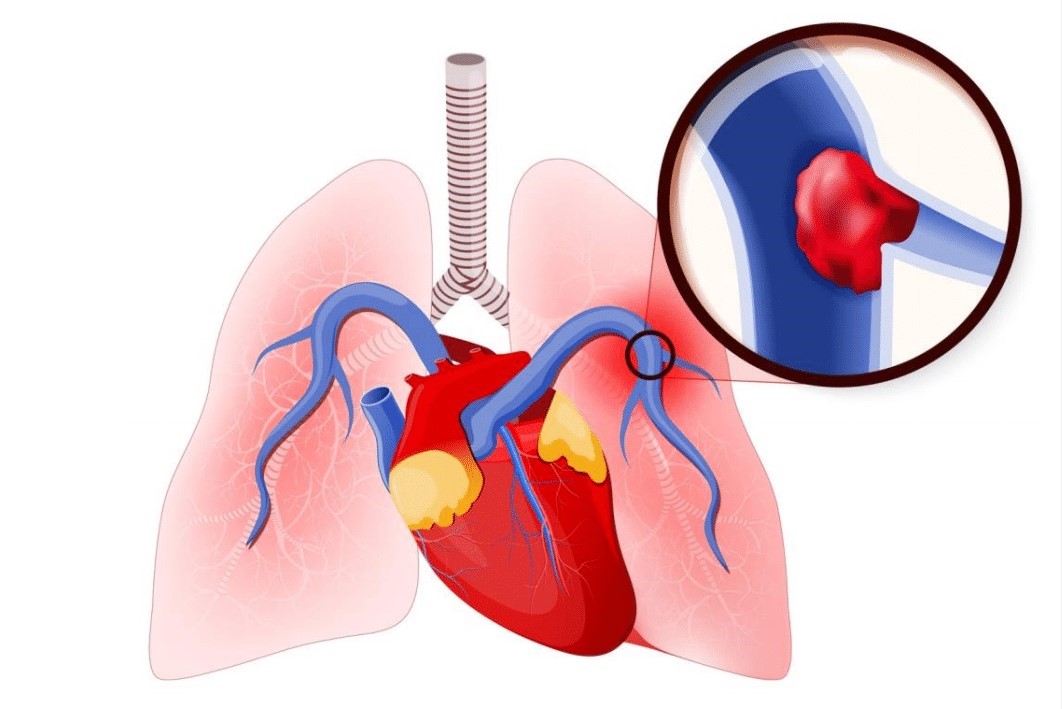
Pulmonary thrombosis occurs when a blood clot is lodged in an artery in the lung.
- Toxins: Medications, street drugs, toxins/chemicals, or environmental exposure can lead to cardiac arrest. In this case, the clinician administers the antidote based on the particular toxin while supporting systemic function.
Key Takeaway
- A trained responder administering care to a patent with possible cardiac arrest will perform a BLS assessment followed by an ACLS primary and secondary assessment as appropriate.
- Airway management is critical when responding to any potentially life-threatening event and is further discussed in the Respiratory Arrest Case.
Related Videos
These videos reinforce the key concepts above with practical examples and quick clinical takeaways. If you’re studying, read each section first, then watch the corresponding video to lock in recognition and first actions.
Introduction: The Hs and Ts
Prefer a quick overview before diving into the details? This video explains what the “Hs and Ts” are, why they matter during ACLS resuscitation, and how teams use them to rapidly search for reversible causes during cardiac arrest.
Hypovolemia
This video reviews how fluid or blood loss can lead to shock and cardiac arrest. Watch for quick recognition cues (bleeding, trauma, GI losses, poor perfusion) and how treatment focuses on rapid volume replacement and correcting the source.
Hypoxia
This video covers common causes of hypoxia leading to arrest (airway obstruction, drowning, respiratory failure) and what teams do immediately—optimize airway/ventilation, oxygenation, and verify chest rise while continuing CPR as indicated.
Hydrogen Ion Excess (Acidosis)
This video explains how acidosis develops in arrest and severe illness, what clinical clues suggest respiratory vs metabolic causes, and why treatment focuses on correcting the underlying issue (ventilation, perfusion, shock management) rather than “chasing” lab values alone.
Hypo/Hyperkalemia
This video reviews how potassium disturbances trigger dangerous arrhythmias and arrest, what ECG/lab findings raise concern, and common ACLS interventions such as calcium for membrane stabilization and insulin/glucose or bicarbonate when appropriate.
Hypothermia
This video explains recognition of hypothermia in critically ill patients and arrest, and how management emphasizes active rewarming, minimizing further heat loss, and adjusting resuscitation decisions based on temperature and response.
Tension Pneumothorax
This video shows how tension pneumothorax can rapidly cause PEA and arrest, what bedside clues to look for (unequal breath sounds, hypotension, distended neck veins), and why needle decompression is an emergency, time-sensitive intervention.
Cardiac Tamponade
This video reviews how tamponade restricts ventricular filling and can lead to shock and arrest, what clinical situations raise suspicion (trauma, post-procedure, certain pericardial conditions), and how definitive management involves pericardiocentesis or surgical intervention.
Thrombosis (Coronary)
This video covers coronary thrombosis as a cause of arrest (often related to acute MI), what findings can suggest it, and how rapid reperfusion strategies (PCI or fibrinolysis where appropriate) fit into post-resuscitation care pathways.
Thrombosis (Pulmonary Embolism)
This video explains how massive pulmonary embolism can present as sudden collapse, PEA, or refractory shock, which clues increase suspicion, and how management may include thrombolytics or procedural interventions depending on setting and protocols.
Toxins
This video reviews toxins and overdoses as reversible causes of arrest, how to recognize patterns (history, pupils, ECG changes, known exposures), and why management focuses on supportive care plus targeted antidotes when indicated.
FAQ
What are the “Hs and Ts” in ACLS?
The “Hs and Ts” are a checklist of potentially reversible causes of cardiac arrest that teams rapidly consider during resuscitation—especially in PEA and asystole—so they can treat the underlying problem while continuing high-quality CPR.
Which rhythms are the Hs and Ts most useful for?
They are most emphasized during PEA and asystole because defibrillation is not the primary action. The priority is CPR, epinephrine when appropriate, and aggressively searching for reversible causes.
Is hypoglycemia part of the Hs and Ts?
Hypoglycemia is not part of the classic ACLS “Hs,” but it can mimic altered mental status and clinical deterioration and should be checked early in many unstable patients. In arrest scenarios, glucose testing may still be appropriate when it fits the clinical context and available resources.
Do you treat first or wait for confirmation?
In ACLS, teams often treat immediately reversible, high-risk causes based on the clinical picture (for example, oxygenation/ventilation problems, tension pneumothorax, or suspected hyperkalemia) while confirming with bedside tools when available.
More Free Resources to Keep You at Your Best
Editorial Note
ACLS Certification Association (ACA) uses only high-quality medical resources and peer-reviewed studies to support the facts within our articles. Explore our editorial process to learn how our content reflects clinical accuracy and the latest best practices in medicine. As an ACA Authorized Training Center, all content is reviewed for medical accuracy by the ACA Medical Review Board.