Diabetic Ketoacidosis: Fact and Fiction
Diabetic ketoacidosis (DKA) is a severe, life-threatening complication of diabetes characterized by a hallmark triad: profound hyperglycemia, elevated ketones, and metabolic acidosis. Designed for clinicians, nursing students, and patients, this article aims to dispel common myths and clarify the facts surrounding DKA triggers, its pathophysiology, and its critical distinction from nutritional ketosis.
ACLS Certification Association videos have been peer-reviewed for medical accuracy by the ACA medical review board.
Article at a Glance
- Diabetic ketoacidosis (DKA) is an acute, life-threatening medical emergency defined by hyperglycemia, ketosis, and acidosis.
- While DKA is commonly triggered by illness or missed insulin in known diabetics, it can occasionally be the first presenting sign of undiagnosed diabetes.
- Although both DKA and the keto diet involve ketone production, DKA is a dangerous pathological state, whereas the keto diet induces a controlled nutritional ketosis.
- Clinicians must carefully monitor electrolyte shifts, particularly potassium, during DKA treatment to avoid fatal complications.
Fact vs. Fiction: DKA and Undiagnosed Diabetes
What is DKA?
Before addressing the myths, it is important to define the condition. Diabetic ketoacidosis (DKA) is a dangerous metabolic state diagnosed by three hallmarks: elevated blood sugar (hyperglycemia), the presence of ketones in the blood or urine, and increased blood acidity (metabolic acidosis). When severe hyperglycemia occurs with high osmolality and minimal ketone production, clinicians should also consider Hyperosmolar Hyperglycemic Syndrome.
The “Undiagnosed Diabetes” Misconception
A common fiction is that DKA primarily happens to people who don’t know they have diabetes. While it is true that DKA can occasionally be the first presenting sign of undiagnosed diabetes, this is not the most common scenario. DKA most frequently presents in patients with known type 1 diabetes. Typically, type 1 diabetics know they have diabetes because they’ve lived with it from an early age. They know the symptoms, how to monitor glucose levels, and when to seek treatment.
Additionally, while DKA is a hallmark complication of type 1 diabetes, it can also occur in patients with type 2 diabetes under extreme physiological stress (Reference: American Diabetes Association Guidelines on DKA).
Common Triggers of DKA
Most patients with DKA are those who have contracted a physical illness or a patient who has recently gone through a stressful event. Common triggers include:
- Illness or Infection: Conditions such as the stomach virus or the flu.
- Stressful Events: Major physiological stress triggers catecholamines, which are hormones opposing insulin.
- Insulin Therapy Problems: Missed insulin doses, pump failures, or expired insulin.
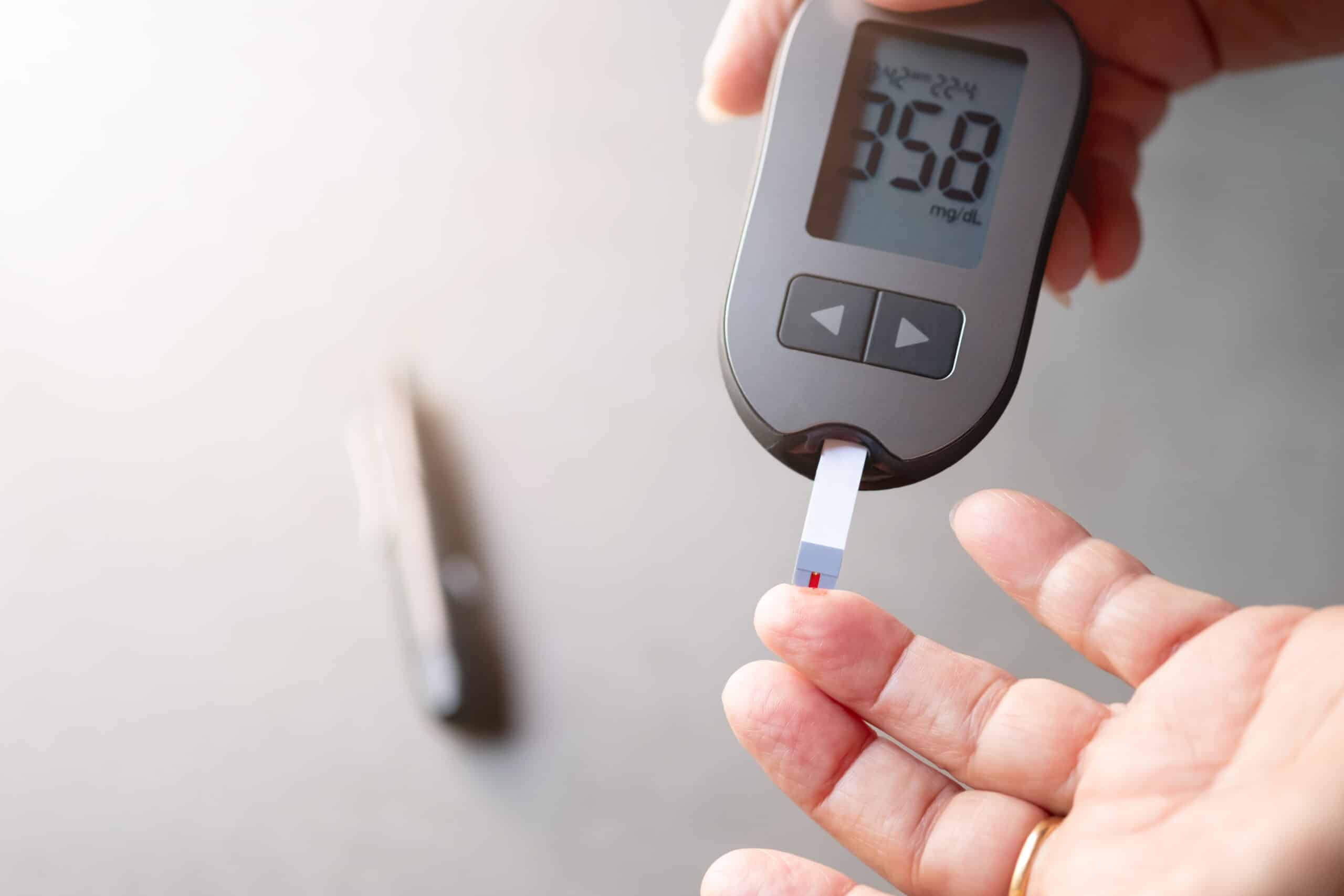
A key feature of diabetic ketoacidosis is hyperglycemia, but it must be accompanied by excessive ketones and acidosis to be classified as DKA.
The Mechanism of DKA
In diabetic ketoacidosis DKA patients don’t have insulin to allow glucose to flow into the cells. Therefore, there’s increased lipolysis (the rapid breakdown of fat tissue for energy). As the patient starts breaking down the fat, there is an increase in fatty acids floating around the serum. They’re converted to keto acids (ketones) in the liver, triggering full-blown DKA. The accumulation of these acids leads to a high anion gap metabolic acidosis (a life-threatening drop in blood pH).
Read: What are Intravenous (IV) Fluids?
Fatal Complications of DKA
One of the most dangerous complications of DKA involves severe electrolyte derangements, particularly involving potassium. While initial lab results may show high serum potassium (hyperkalemia) due to metabolic acidosis driving potassium out of the cells, the patient actually has a severe total-body potassium deficit due to urinary losses.
When providers start them on an insulin drip, it lowers the potassium level by rapidly driving it back into the cells. Providers do not want DKA patients to be hypokalemic, as severe hypokalemia can be fatal.
To prevent fatal complications, DKA treatment protocols emphasize continuous monitoring of several factors (Reference: American Diabetes Association DKA Treatment Guidelines):
- Insulin Effects: Understanding how insulin therapy works, including the regular insulin peak and duration of action, is important when monitoring electrolyte shifts and blood glucose levels during DKA treatment.
- Electrolyte Shifts: Frequent monitoring and proactive potassium replacement are required to prevent fatal hypokalemia as acidosis corrects. Understanding electrolyte shifts is critical when distinguishing HHS vs DKA.
- Blood Glucose Monitoring: Glucose levels often correct faster than the ketoacidosis, requiring dextrose to be added to IV fluids to prevent hypoglycemia while insulin continues to clear ketones; managing these rapid shifts is also crucial to prevent cerebral edema (brain swelling).
Understanding Insulin
The video below provides a detailed breakdown of how insulin functions in the body. Grasping insulin’s mechanism of action is essential for understanding both the pathophysiology of DKA and the critical timing of intravenous insulin therapy during emergencies.
Similarities Between DKA and the Keto Diet
A person’s body experiences a glucose deficiency during the keto diet due to a lack of carbohydrates. The body doesn’t have any glucose to break down, so it breaks down fat, entering a state of ketogenesis (the production of ketone bodies).
With this diet, it’s how people lose weight. Interestingly, if one is on the keto diet long enough, they will excrete ketones in their urine, similar to a DKA patient. However, it is paramount to distinguish between controlled dietary ketosis and the life-threatening pathology of DKA.
| Feature | Nutritional Ketosis (Keto Diet) | Diabetic Ketoacidosis (DKA) |
|---|---|---|
| Insulin Levels | Normal/Low (adequate to regulate ketone production) | Severely deficient or absent |
| Blood Glucose | Normal or slightly low | Dangerously high (Hyperglycemia) |
| Blood pH | Normal (7.35 – 7.45) | Acidic (below 7.30) – Life-threatening |

The ketogenic diet causes the body to utilize and burn fats for weight loss. Note: While this diet produces urine ketones, nutritional ketosis is controlled and does not equate to the dangerous acid-base imbalance of DKA.
Summary
Diabetic ketoacidosis (DKA) is a severe medical emergency characterized by hyperglycemia, elevated ketones, and metabolic acidosis. While it can occasionally be the first sign of undiagnosed diabetes, diabetic ketoacidosis typically presents in type 1 diabetics aware of their condition. DKA is typically triggered when an illness or stressor triggers insulin-opposing hormones, causing severe hyperglycemia and DKA.
Although there are some similarities between the keto diet and DKA, DKA involves a profound, unchecked acid-base imbalance that nutritional ketosis does not. During treatment, providers must rigorously watch for hypokalemia in DKA patients. Recognizing the early signs of DKA, such as excessive thirst, frequent urination, nausea, and confusion, is critical. If DKA is suspected, patients must seek immediate emergency medical evaluation.
More Free Resources to Keep You at Your Best
Editorial Note
ACLS Certification Association (ACA) uses only high-quality medical resources and peer-reviewed studies to support the facts within our articles. Explore our editorial process to learn how our content reflects clinical accuracy and the latest best practices in medicine. As an ACA Authorized Training Center, all content is reviewed for medical accuracy by the ACA Medical Review Board.
More to Learn

This article and video compare SIADH vs. Diabetes Insipidus. Learn the pathophysiology, etiology, signs, symptoms, and nursing care...
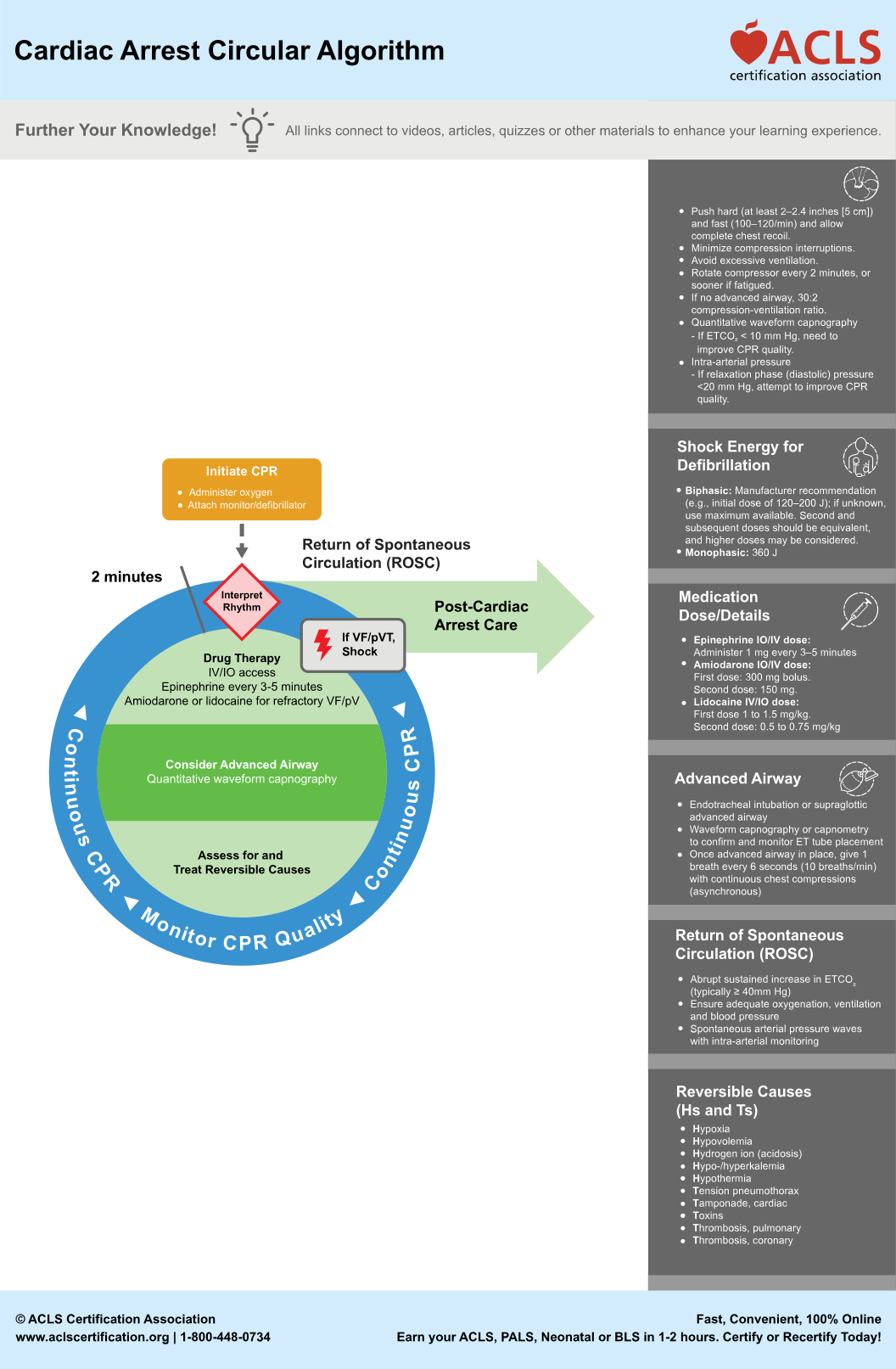
Download the Cardiac Arrest Circular Algorithm PDF to learn the correct procedure to provide high-quality cardiopulmonary resuscitation using step-by step descriptions, Infographics, and Video Illustrations.