Immediate Ischemic Stroke Therapies
This article is for ACLS learners, emergency clinicians, stroke-team members, and any healthcare provider reviewing immediate therapies for suspected acute ischemic stroke. It covers CT-first evaluation, fibrinolytic eligibility, endovascular therapy, post-treatment monitoring, and transfer decisions for patients who may need advanced stroke care.
ACLS Certification Association videos have been peer-reviewed for medical accuracy by the ACA medical review board.
Article at a Glance
- Immediate ischemic stroke therapy is time-sensitive, and eligible patients should be evaluated quickly for reperfusion options.
- Brain imaging comes first because hemorrhagic stroke must be excluded before clot-directed therapy is considered.
- Fibrinolytic eligibility depends on time from symptom onset, CT findings, neurologic deficit, bleeding risk, and contraindications.
- The major risk of fibrinolytic therapy is intracranial hemorrhage, so patients require close monitoring after treatment.
- After fibrinolytic therapy, anticoagulants and antiplatelet therapy are typically withheld for 24 hours or until follow-up imaging confirms no intracranial bleeding.
What is an Ischemic Stroke?
An ischemic stroke occurs when a clot or other blockage reduces blood flow to part of the brain. Because treatment for ischemic stroke differs from treatment for hemorrhagic stroke, clinicians must obtain urgent brain imaging before giving clot-directed therapy.
A noncontrast CT scan helps determine whether intracranial bleeding is present. If bleeding is seen, fibrinolytic therapy is not appropriate; if imaging supports ischemic stroke and the patient meets eligibility criteria, the team can consider reperfusion treatment.
How is stroke treated?
Immediate treatment for suspected acute ischemic stroke follows a time-focused sequence. The team confirms the time the patient was last known well, performs rapid neurologic assessment, checks glucose, obtains urgent brain imaging, and screens for contraindications to reperfusion therapy.
- Activate the stroke pathway. Identify stroke symptoms, establish last-known-well time, check glucose, and perform a focused neurologic assessment.
- Image first. Obtain CT or appropriate brain imaging to rule out hemorrhage before clot-directed treatment.
- Screen for fibrinolytic eligibility. Review onset time, imaging, neurologic deficit, bleeding risk, medications, and exclusion criteria.
- Consider endovascular therapy. Evaluate for large-vessel occlusion and whether advanced imaging supports mechanical thrombectomy.
- Monitor after treatment. Watch for neurologic worsening, bleeding, airway concerns, and hemodynamic instability.
- Plan next steps. Transfer eligible patients when advanced stroke imaging, neurointerventional capability, or stroke-unit care is needed.
This article focuses on immediate reperfusion therapies. For care after initial therapy, see general stroke care.
How Do You Treat a Stroke?
This video gives a quick overview of stroke treatment priorities, including rapid recognition, imaging, eligibility screening, and time-sensitive intervention. Use it as a broad overview before reviewing the detailed fibrinolytic and endovascular criteria below.
Understanding the Stroke Algorithm
This video reviews the ACLS-aligned suspected stroke workflow, including early recognition, rapid assessment, imaging, and treatment-pathway decisions. It supports the step-by-step process described in the “How is stroke treated?” section above.
Fibrinolytic Therapy
Fibrinolytic therapy is one immediate reperfusion option for carefully selected patients with acute ischemic stroke. The purpose of this section is to organize the main decision points: what the therapy does, the treatment window, eligibility criteria, contraindications, risks, consent, and immediate monitoring after treatment.
What fibrinolytic therapy does
Fibrinolytic therapy uses recombinant tissue plasminogen activator (rTPA) to help dissolve the clot causing an ischemic stroke. Alteplase has long been a standard IV thrombolytic discussed in stroke protocols, but medication selection should follow current stroke-center policy, local formulary, and specialist direction.
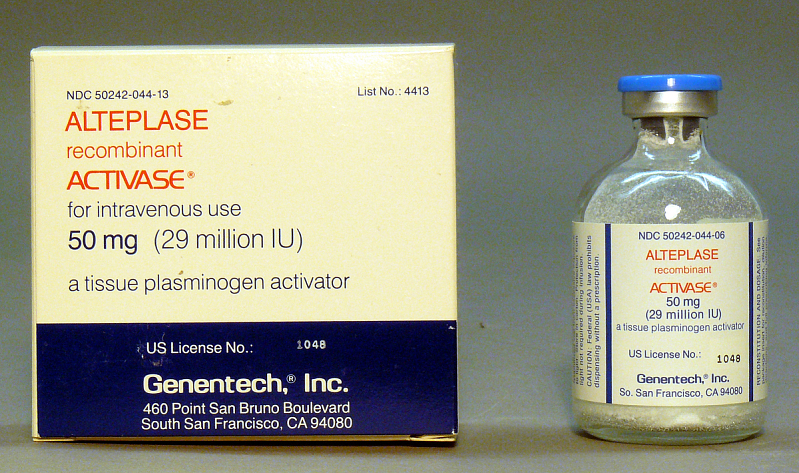
Alteplase, a type of rtPA, dissolves blood clots.
Treatment time window
Fibrinolytic therapy is most time-sensitive early after symptom onset. Many protocols evaluate eligible patients within 3 hours, and selected patients may be considered up to 4.5 hours from symptom onset when they meet additional criteria.
Inclusion criteria
The following is the fibrinolytic checklist for inclusion criteria when symptom onset is within 3 hours:
- CT scan images do not show intracerebral bleeding.
- The patient has an identifiable acute ischemic stroke.
- There is no rapid neurologic function improvement.
- The patient is 18 years old or older.
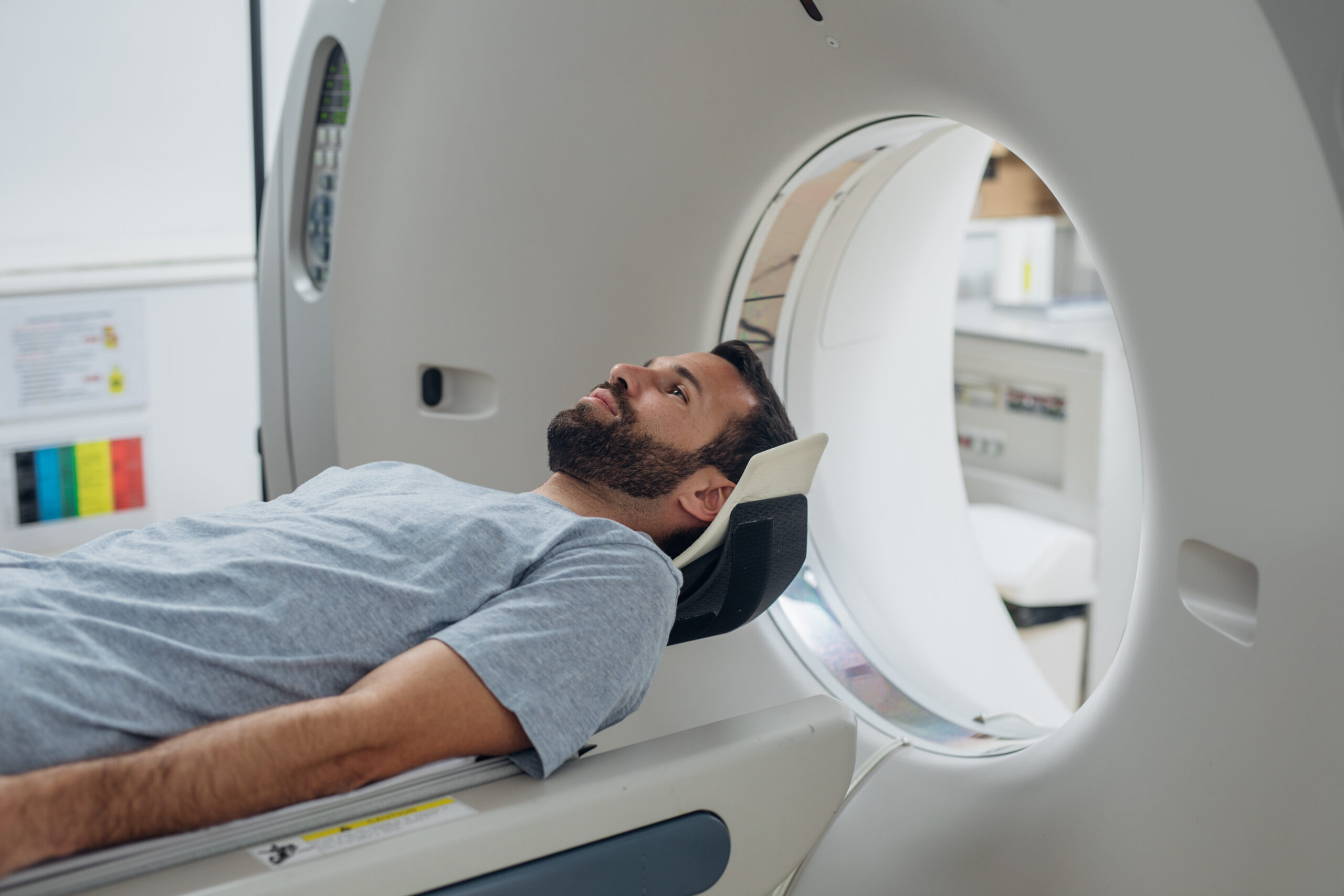
A CT scan locates the stroke and determines if there is intracranial bleeding.
Exclusion criteria
Exclusion criteria for fibrinolytic therapy include previous stroke or recent head trauma, current or past brain bleeding, severe uncontrolled hypertension, bleeding diathesis, multilobar infarction on CT, current use of an anticoagulant with an INR greater than 1.7, or arterial puncture to a noncompressible site within the past week.
Relative exclusions
Relative exclusion criteria include recent major surgery, pregnancy, seizure at the beginning of stroke symptoms with residual neurological impairment, recent myocardial infarction within the past 3 months, recent urological or gastrointestinal hemorrhage within the previous 3 weeks, and minor or rapidly improving stroke symptoms.

Criteria for Alteplase Therapy
Adverse effects
The most significant adverse effect of fibrinolytic therapy is intracranial hemorrhage. Minor and major bleeding complications may also occur elsewhere in the body. Other adverse reactions include angioedema and transient hypotension.
Consent discussion
After a clinician determines that the patient is a fibrinolytic therapy candidate, the attending physician explains the risks and benefits to the patient or family members when feasible. After consent is addressed according to facility policy and emergency circumstances, the team proceeds with therapy if appropriate.
Immediate post-alteplase steps
Following fibrinolytic therapy, clinicians follow the hospital stroke-care pathway. Anticoagulants and antiplatelet therapy are typically withheld for 24 hours after fibrinolytic treatment or until a 24-hour follow-up CT scan confirms that no intracranial hemorrhage is present.
Some patients may be eligible for fibrinolytic therapy 3–4.5 hours after acute stroke symptom onset when they meet additional inclusion and exclusion criteria.
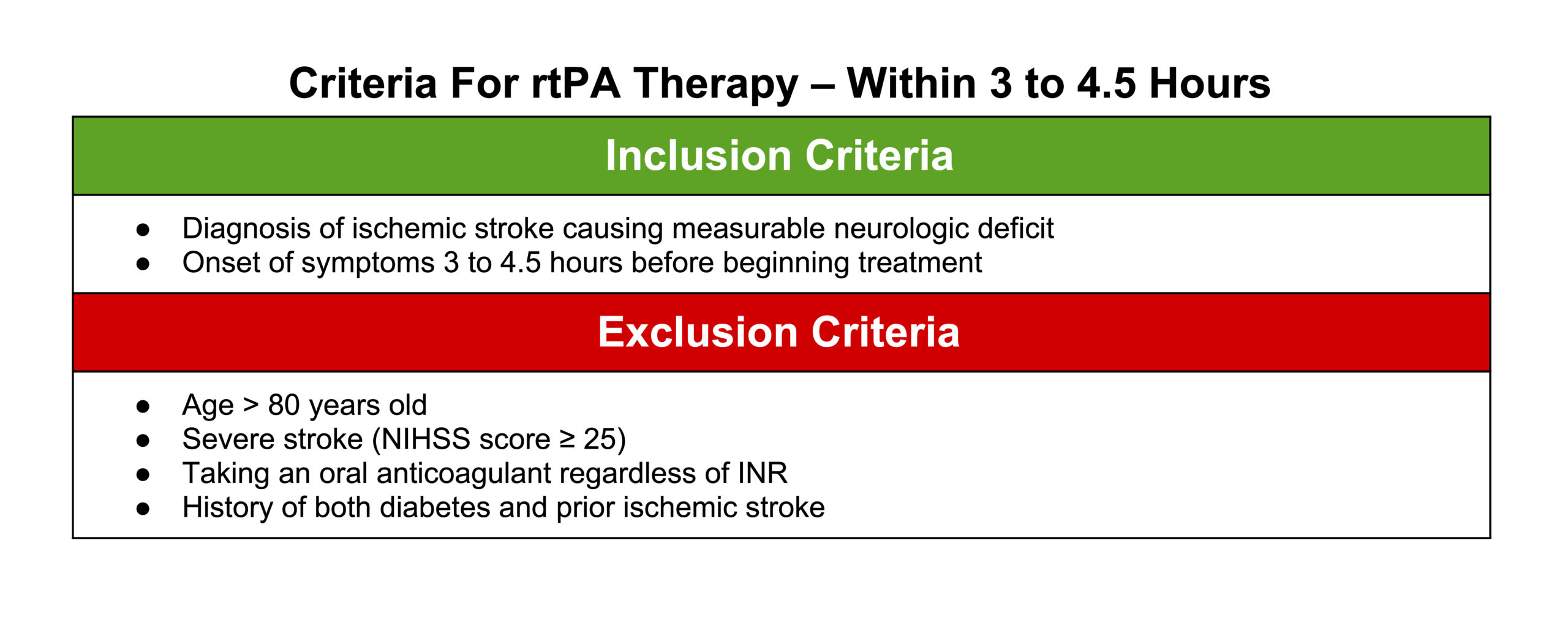
The criteria for rTPA therapy 3–4.5 hours after symptom onset.
Read: Stroke: Assessment in the Emergency Department
Endovascular Therapy
Endovascular therapy is another immediate reperfusion option for selected acute ischemic stroke patients, especially when a large-vessel occlusion is suspected or confirmed. It should be considered alongside IV fibrinolytic eligibility rather than only after all other options are exhausted.
What endovascular therapy does
Endovascular therapy attempts to restore brain blood flow by disrupting or removing a clot from an intracranial blood vessel. In many cases, a catheter-based device such as a stent retriever or aspiration system is used to remove the clot mechanically.
Who may qualify
Patients who may be considered for endovascular therapy include those with:
- Pre-stroke Modified Rankin Scale (mRS) score of 0–1.
- Acute ischemic stroke and eligibility for IV fibrinolytic therapy when within the appropriate treatment window.
- Causative occlusion of the internal carotid artery or proximal middle cerebral artery (MCA), especially M1.
- Age 18 years or older.
- National Institutes of Health Stroke Scale (NIHSS) score of 6 or more.
- Alberta Stroke Program Early CT Score (ASPECTS) of 6 or greater.
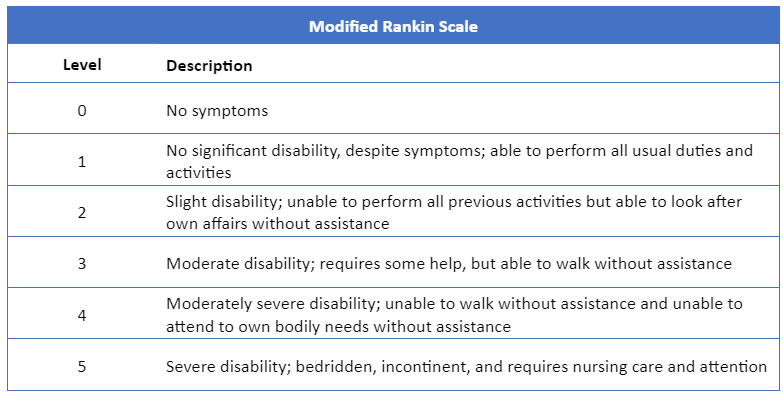
The Modified Rankin Scale measures the degree of disability in stroke patients.
Timing and imaging selection
For many eligible patients, endovascular therapy is initiated as quickly as possible and often within 6 hours of symptom onset. However, the 6-hour window should not be presented as an absolute cutoff because selected patients may be treated in extended windows when advanced imaging shows salvageable brain tissue and appropriate large-vessel occlusion criteria are met.
To compute the ASPECTS, 1 point is subtracted from 10 for any evidence of early ischemic change in each of the defined regions.
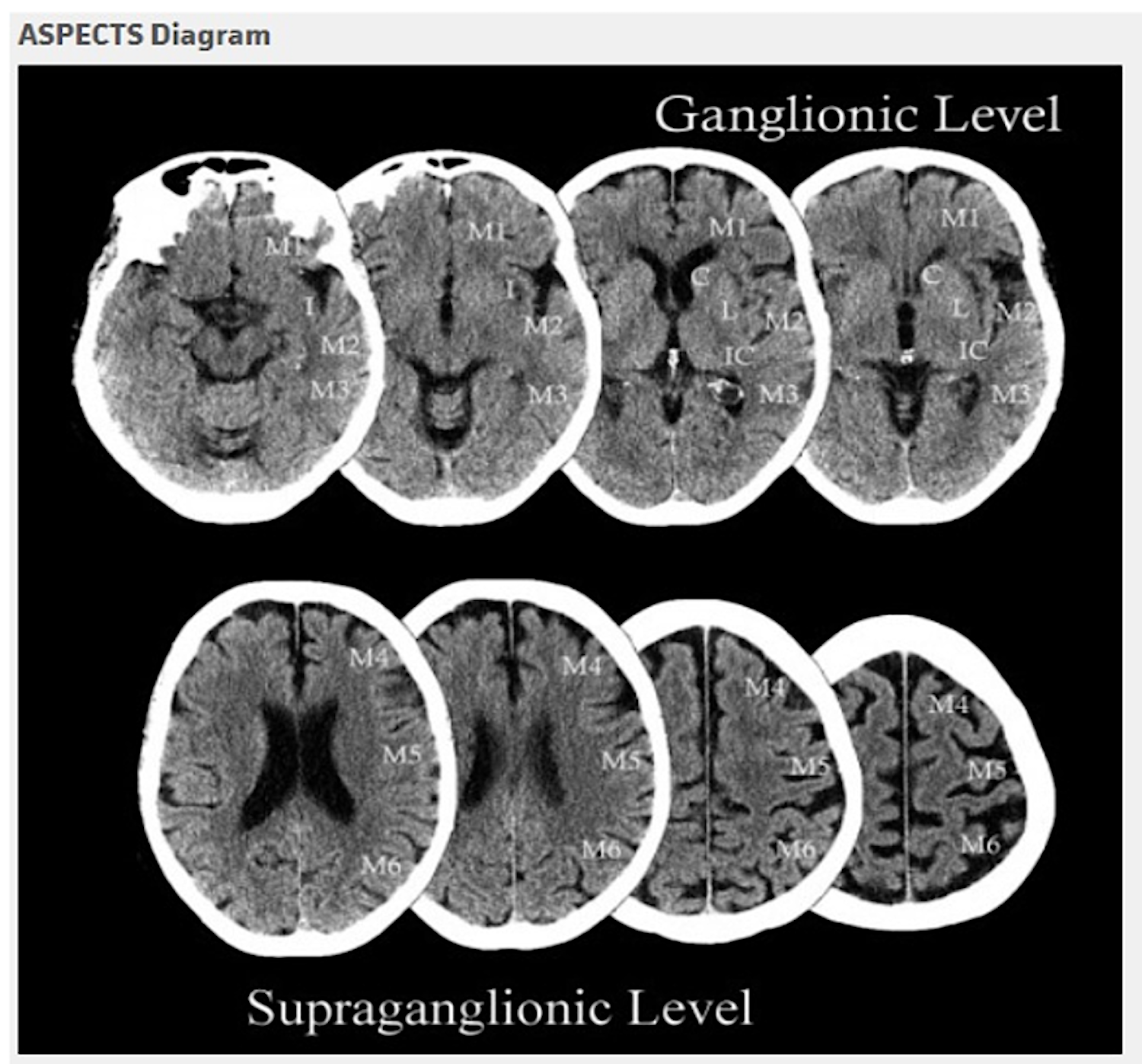
The ASPECTS score determines stroke severity on a scale of 0 to 10.
A normal CT scan receives an ASPECTS of 10 points. An ASPECTS of 7 points or less highly correlates with a negative functional outcome as determined by the Modified Rankin Scale (mRS).5 An ASPECTS of 0 indicates diffuse involvement throughout the MCA territory.
Transfer to advanced stroke units
Endovascular therapy is recommended in addition to IV fibrinolytic therapy for patients who meet appropriate criteria, consistent with the adult suspected stroke algorithm. Teams should consider transferring eligible acute ischemic stroke patients to institutions with advanced stroke imaging, neurointerventional capability, and specialized stroke-unit resources.
Hypertensive Medications For Stroke
This video reviews medication considerations for managing hypertension during stroke care. It fits this page because blood pressure management is part of supportive treatment while the team evaluates reperfusion options, bleeding risk, and post-treatment monitoring needs.
Summary
Immediate ischemic stroke therapy begins with rapid recognition, last-known-well time, neurologic assessment, glucose check, and urgent brain imaging to distinguish ischemic stroke from hemorrhagic stroke. Once imaging is complete, the team determines whether the patient may qualify for fibrinolytic therapy, endovascular therapy, or transfer to a stroke center with advanced capabilities.
Fibrinolytic therapy is time-sensitive and requires careful review of inclusion criteria, exclusions, bleeding risk, and post-treatment restrictions. Endovascular therapy may be appropriate for selected patients with large-vessel occlusion, including some patients outside the early window when imaging supports treatment. It is most effective when administered within 3 hours of the onset of symptoms, but some patients can be treated with alteplase 3–4.5 hours after symptom onset, depending on findings from stroke assessment.
Readers reviewing emergency workflow should continue with the adult suspected stroke algorithm. Readers reviewing post-reperfusion and inpatient priorities should continue with general stroke care.
More Free Resources to Keep You at Your Best
Editorial Sources
ACLS Certification Association (ACA) uses only high-quality medical resources and peer-reviewed studies to support the facts within our articles. Explore our editorial process to learn how our content reflects clinical accuracy and the latest best practices in medicine. As an ACA Authorized Training Center, all content is reviewed for medical accuracy by the ACA Medical Review Board.
1. National Institute of Neurological Disorders and Stroke. Tissue Plasminogen Activator for Acute Ischemic Stroke (Alteplase, Activase®). 2022.
2. Powers WJ, Rabinstein AA, Ackerson T, et al. Guidelines for the early management of patients with Acute Ischemic Stroke: 2019 update to the 2018 guidelines for the early management of Acute Ischemic Stroke: A guideline for healthcare professionals from the American Heart Association/American stroke association. 2019.
3. Robert E. Hughes; Prasanna Tadi; Pradeep C. Bollu. TPA Therapy. National Library of Medicine. 2021.
4. Muhammad U. Baig; Jeffrey Bodle. Thrombolytic Therapy. National Library of Medicine. 2021.
5. Alex Abou-Chebl. Endovascular treatment of acute ischemic stroke may be safely performed with no time window limit in appropriately selected patients. Stroke. 2010.
6. Jamie L. Banks and Charles A. Marotta. Outcomes Validity and Reliability of the Modified Rankin Scale: Implications for Stroke Clinical Trials. American Heart Association. 2007.
More to Learn
Understand Hypovolemia, a condition marked by a decrease in blood volume due to fluid loss or bleeding, through our informative article.

This article and video explain the Basics of Ventilators. Learn pressure-controlled ventilation, controlled-mandatory ventilation...