Heart Valve Problems: Mitral vs. Aortic Murmurs
This guide provides a clinical overview of interpreting left-sided heart murmurs. Designed for nursing students, ACLS providers, and emergency clinicians, this article breaks down how to use auscultation timing (systole vs diastole) to differentiate between stenosis and regurgitation in both the mitral and aortic valves.
ACLS Certification Association videos have been peer-reviewed for medical accuracy by the ACA medical review board.
Article at a Glance
- Mechanisms of Valve Problems: While other types exist (like prolapse or atresia), two major mechanisms of valve dysfunction are stenosis (stiffening/narrowing) and regurgitation (leaking/backflow).
- Which Valves Are Affected?: Problems can occur in any of the heart’s four valves (mitral, tricuspid, aortic, pulmonary), but this article focuses primarily on the left-sided mitral and aortic valves, as they are most commonly affected in adults.
- Confirmation is Key: While listening to a murmur provides clues about the timing and location of a lesion, it must always be followed by confirmatory imaging, such as an echocardiogram.
Overview of Heart Valve Problems
What is heart valve disease?
Heart valve disease occurs when one or more of the heart’s valves do not open or close properly, disrupting normal blood flow.
- Valvular Stenosis is a stiffening of heart valves that narrow the valve opening size. The valve is closed when it is supposed to be open, so blood can’t flow through.
- Valvular Regurgitation is a backflow of blood when the valve is supposed to be closed. The valve is open when it is supposed to be closed.
While problems can occur in any of the four valves (mitral, tricuspid, aortic, pulmonary), the mitral valve and aortic valves are on the left side of the heart. When adult patients have valve issues, it is usually the aortic valve, mitral valve, or both.
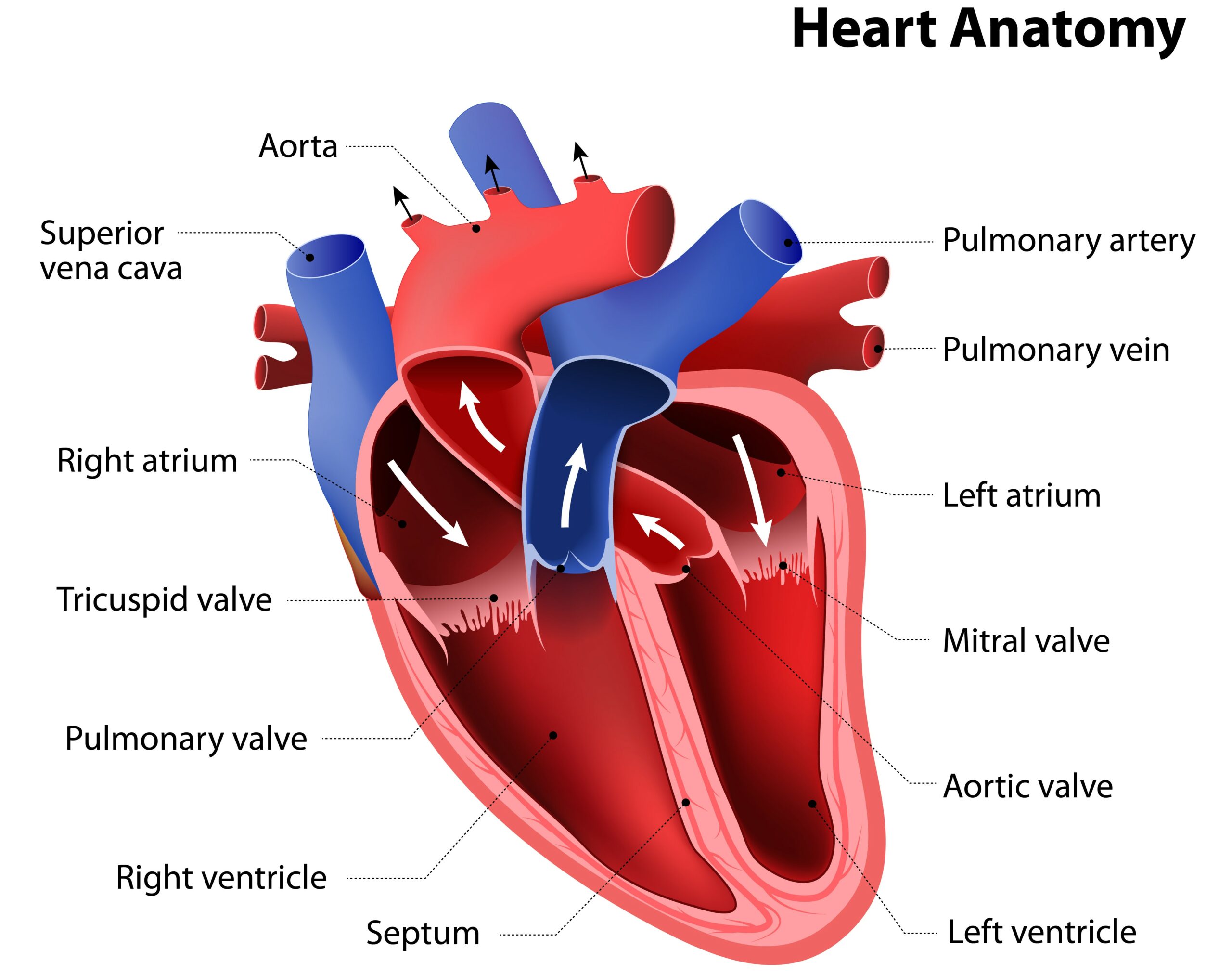
The mitral and aortic valve are located on the left side of the heart.
What causes heart valve murmurs?
A murmur is the audible sound of turbulent blood flow caused by these mechanical valve defects. Common causes include:
- Age-related changes: Calcium deposits stiffening the leaflets over time.
- Infection: Rheumatic fever or infective endocarditis damaging the valve.
- Congenital defects: Being born with abnormal congenital heart valve structures (e.g., a bicuspid aortic valve).
- Related conditions: Heart attacks or heart failure causing structural enlargement that pulls the valve apart. Additionally, chronic heart disease and high blood pressure (which exerts excessive blood pressure on the cardiac walls) are each a major risk factor for valve degradation.
What are the first signs of heart valve problems?
Some people have no symptoms for years, even with a prominent murmur. When a symptom does appear, common first signs include:
- Shortness of breath, especially with exertion or when lying flat.
- Fatigue or weakness.
- Palpitations or a racing heartbeat.
- Swelling (edema) in the ankles or feet.
How is heart valve disease diagnosed?
Murmurs are often the first clinical clue discovered during a physical exam. However, murmurs can be subtle, absent, or their volume may not be proportional to the actual severity of the disease. Therefore, auscultation findings always require confirmation. What tests will be done? An echocardiogram (ultrasound of the heart) is the gold standard for definitively diagnosing and grading the severity of a valve problem.
To properly evaluate left-sided heart murmurs, providers must first understand the mechanical differences between a stenotic valve and a regurgitant one. Watch our introductory video on Heart Murmurs Overview to learn how these flow dynamics create distinct sounds.
Read: Antidepressant Medications
Mitral Valve Murmurs
The mitral valve is between the left atrium and left ventricle. It allows blood to flow passively down from the left atrium into the left ventricle during diastole.
Mitral Murmur Summary:
- Mitral Stenosis: Diastolic timing. Suggests turbulent flow squeezing through a stiff, narrowed valve during filling.
- Mitral Regurgitation: Systolic timing. Suggests blood jetting backward through a leaky valve during ventricular contraction.
Where to listen: Mitral murmurs are generally heard best at the apex of the heart (the 5th intercostal space, midclavicular line). It is important to note that mixed lesions (both stenosis and regurgitation happening at the same time) or atypical findings can occur, requiring an echocardiogram for definitive diagnosis.
Mitral Valve Stenosis
Mitral valve stenosis occurs when a mitral valve is closed while it should be open during diastole. If a patient has mitral valve stenosis, the murmur is diastolic.
Historically, rheumatic fever was the primary etiology for mitral stenosis, though age-related calcification is now increasingly common. Keep in mind that hearing this murmur suggests a lesion is present, but it cannot accurately grade the severity of the stenosis.
Mitral Valve Regurgitation
A mitral valve regurgitation occurs when a mitral valve is open, allowing backflow of blood while it should be closed, such as during systole. Therefore, a mitral valve regurgitation murmur is a systolic murmur.
Because mitral regurgitation can be chronic (developing over years) or acute (resulting from a sudden event like a ruptured chordae tendineae after an MI), it may present differently. Sudden, severe regurgitation requires immediate confirmation and often surgical intervention.
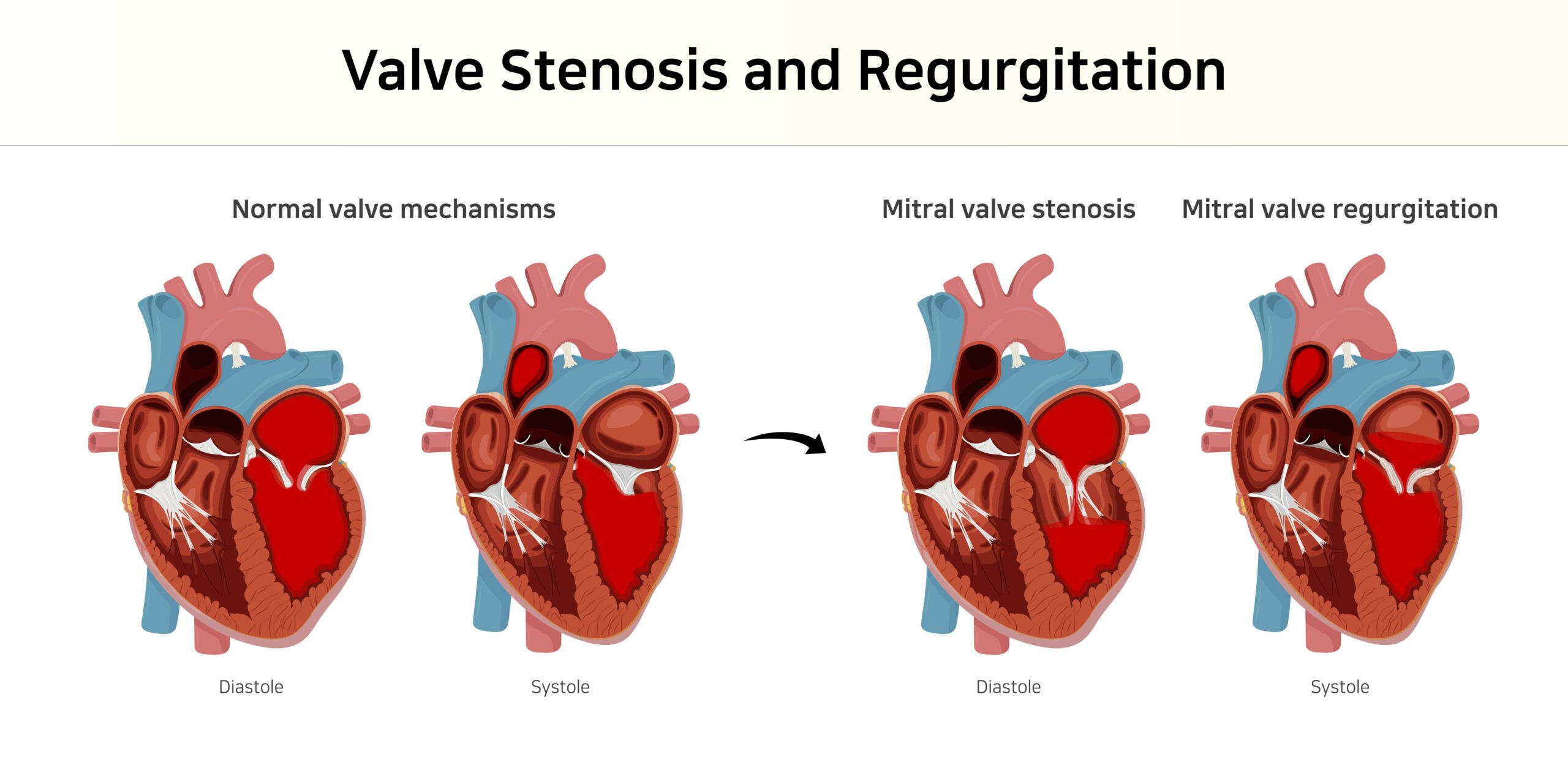
An example of stenosis and regurgitation involving the mitral valve.
Aortic Valve Murmurs
The aortic valve is situated between the left ventricle and the aorta. It should open during systole, allowing blood to flow out to the body.
Aortic Murmur Summary:
- Aortic Stenosis: Systolic timing.
- Aortic Regurgitation: Diastolic timing.
Where to listen: Aortic murmurs are typically heard best at the right 2nd intercostal space, adjacent to the sternum. Similar to mitral issues, aortic valve problems can be subtle and require clinical correlation and imaging.
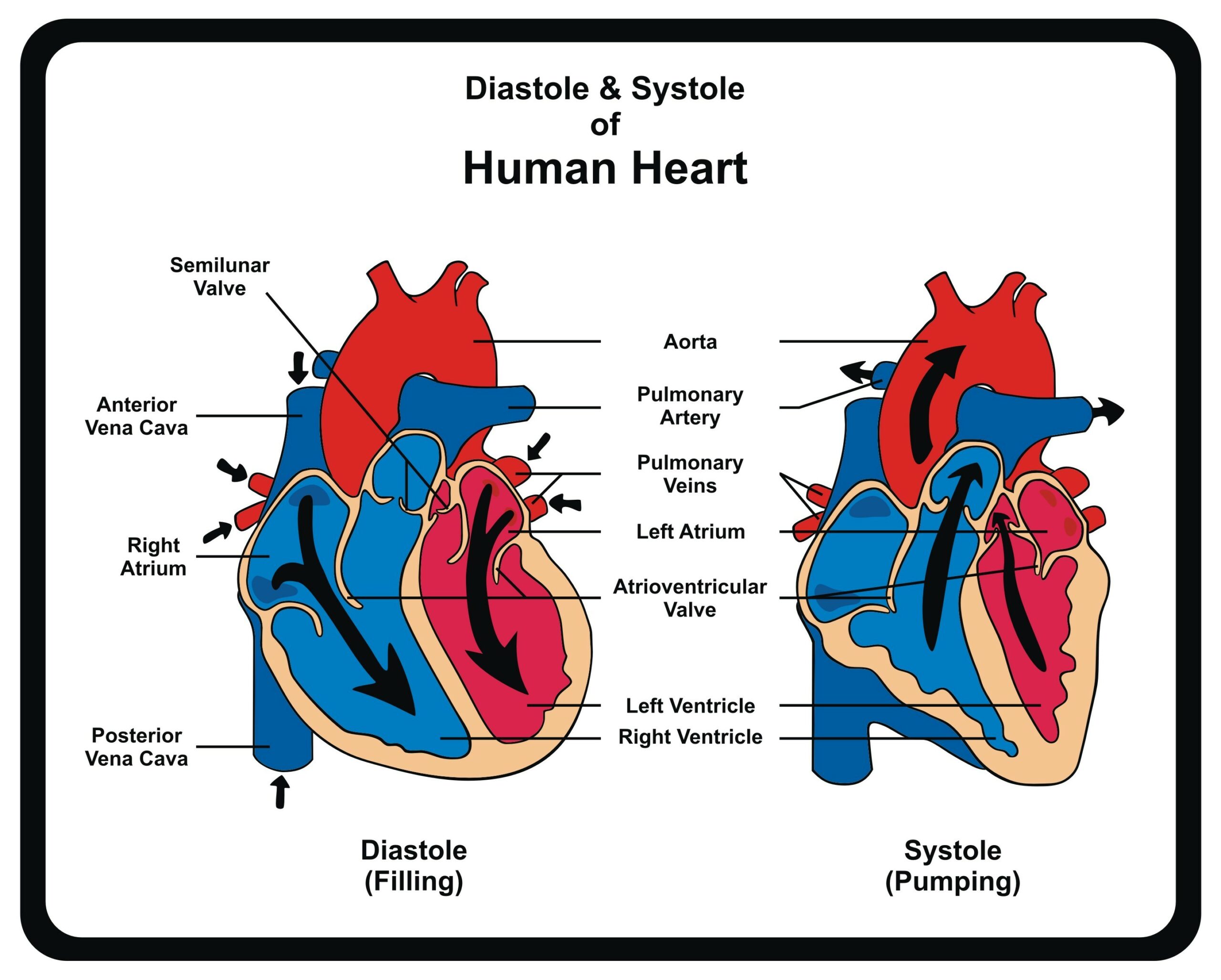
Diastole is the filling of the heart. Systole is the pumping of the heart.
Aortic Valve Stenosis
Aortic valve stenosis occurs when an aortic valve is closed when it should be open. An aortic valve stenosis murmur is a systolic murmur.
This lesion is frequently caused by age-related calcification or congenital differences, such as a bicuspid aortic valve (refer to the causes section above). Discovering a harsh systolic murmur in the aortic region should immediately prompt further evaluation, typically including an echocardiogram.
To learn exactly how this murmur sounds and behaves, watch our Aortic Stenosis – Part 1 video lesson.
Aortic Valve Regurgitation
Aortic valve regurgitation occurs when an aortic valve is open when it should be closed during diastole. The aortic valve regurgitation murmur is diastolic.
Note that aortic regurgitation can have vastly different clinical implications depending on its severity and chronicity; acute regurgitation from an aortic dissection is a surgical emergency, whereas mild chronic regurgitation may only require monitoring.
Summary
While other structural issues like prolapse and atresia exist, two major mechanical mechanisms of heart valve problems are valvular stenosis and valvular regurgitation. While they can occur in any valve, they typically happen in either the aortic or mitral valve in adult patients.
Depending on the specific valve and whether it is a problem of narrowing (stenosis) or leaking (regurgitation), heart murmurs present in different locations and timings (systolic vs diastolic). Ultimately, discovering a new murmur during auscultation is only the first step; it must always prompt a full evaluation and confirming diagnostic tests, such as an echocardiogram, to guide appropriate treatment.
More Free Resources to Keep You at Your Best
Editorial Note
ACLS Certification Association (ACA) uses only high-quality medical resources and peer-reviewed studies to support the facts within our articles. Explore our editorial process to learn how our content reflects clinical accuracy and the latest best practices in medicine. As an ACA Authorized Training Center, all content is reviewed for medical accuracy by the ACA Medical Review Board.
More to Learn
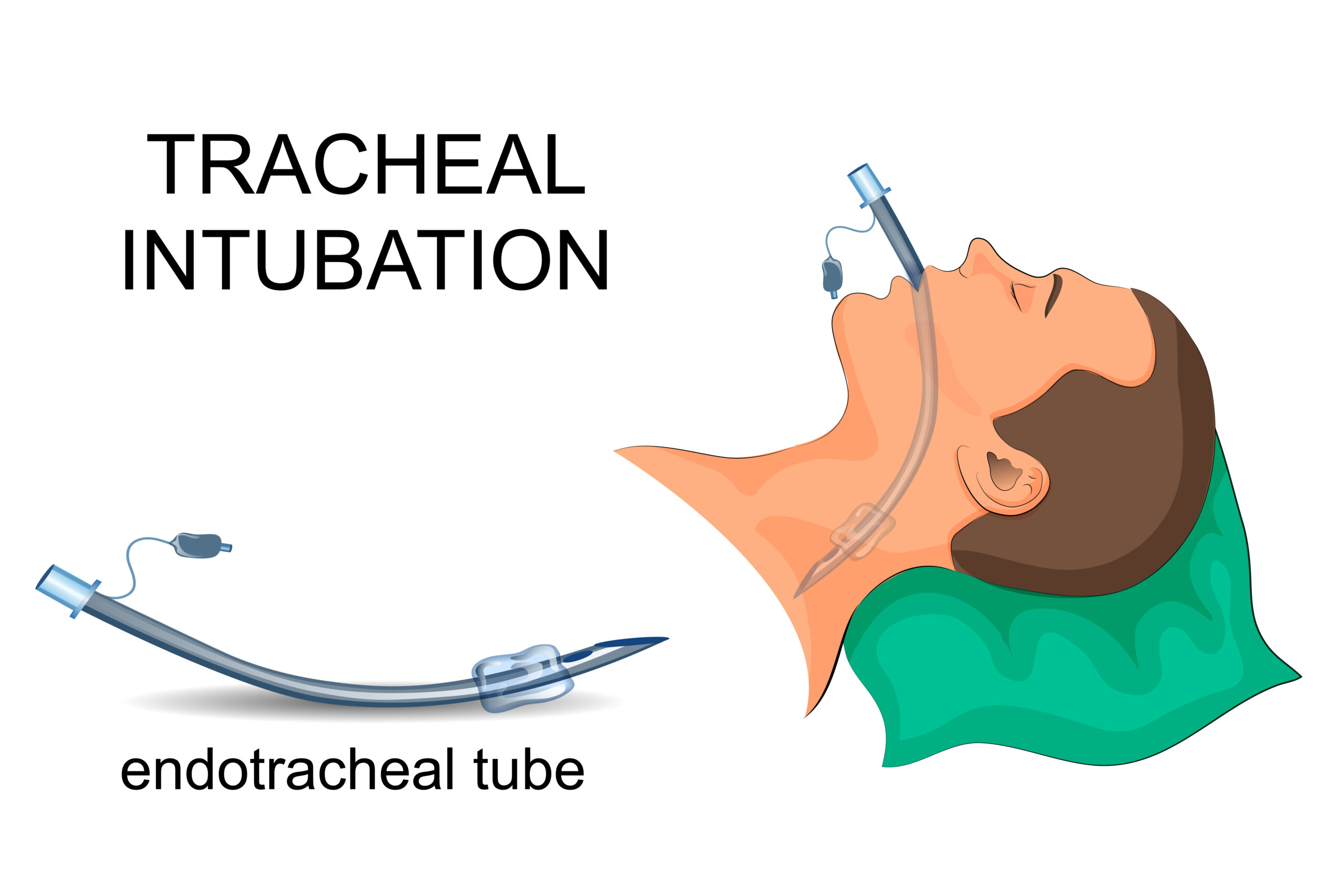
PEA is often caused by medical conditions that cause reversible cardiac arrest. Download the PDF and read our detailed article on Treating Reversible Causes, ROSV, and Terminating Resuscitation Efforts.
Read our detailed article and watch the video on Intravenous (IV) Fluids. Learn about different types...