Antidepressant Medications
Learn how the major antidepressant classes work, which side effects and interactions require attention, and when to contact a healthcare professional for help.
ACLS Certification Association videos have been peer-reviewed for medical accuracy by the ACA medical review board.
Table of Contents
- What Are Antidepressants?
- How Do Antidepressants Work?
- What Are the Side Effects?
- What Are the Types of Antidepressants?
- Selective Serotonin Reuptake Inhibitors (SSRIs)
- Serotonin-Norepinephrine Reuptake Inhibitors (SNRIs)
- Tricyclic Antidepressants
- Monoamine Oxidase Inhibitors (MAOIs)
- St. John’s Wort
- Possible Complications of Taking Antidepressants
- Summary
Article at a Glance
- The prescription antidepressant classes covered on this page are selective serotonin reuptake inhibitors, serotonin-norepinephrine reuptake inhibitors, tricyclic antidepressants, and monoamine oxidase inhibitors.
- St. John’s wort is a dietary supplement rather than a prescription antidepressant, and it can interact with antidepressants and many other medications.
- Readers will learn how these medication classes work, their common side effects, and the serious interactions associated with certain treatments.
- Antidepressant benefits often take several weeks to develop. Take medication exactly as prescribed, contact a healthcare professional about troubling effects, and seek urgent help for a severe reaction or suicidal thoughts or behavior.
What Are Antidepressants?
Antidepressants are medications used primarily to treat depression. They may form one part of an individualized mental health treatment plan that also includes psychotherapy, lifestyle support, follow-up care, or other treatments.
What Conditions Do Antidepressants Help Treat?
Depending on the medication and the patient’s health condition, a healthcare professional may prescribe an antidepressant for depression, certain anxiety disorders, some chronic pain conditions, or insomnia. Approved and off-label uses differ among medications, so not every antidepressant is appropriate for every condition.
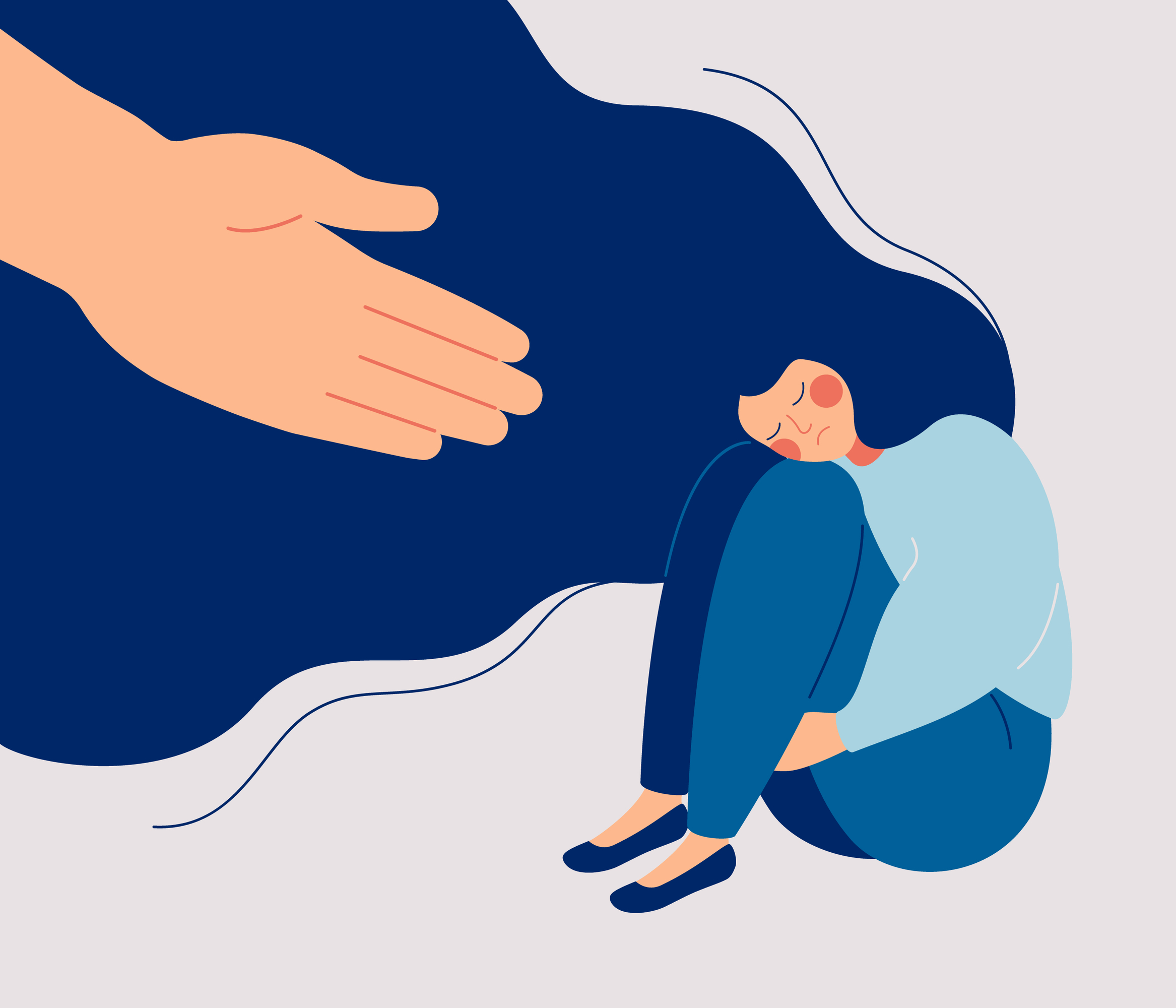
Many antidepressants affect signaling involving serotonin, norepinephrine, dopamine, or other brain pathways.
Depression is not explained by a simple shortage of serotonin or norepinephrine. Although many antidepressants affect signaling involving these neurotransmitters, treatment response also involves broader and gradually developing changes in brain function that researchers continue to study.
How Do Antidepressants Work?
Antidepressants change communication within brain pathways involved in mood, stress, sleep, pain, and other functions. Selective serotonin reuptake inhibitors slow the reabsorption of serotonin after it carries a signal, while serotonin-norepinephrine reuptake inhibitors affect signaling involving both serotonin and norepinephrine. Monoamine oxidase inhibitors slow the breakdown of several neurotransmitters, and tricyclic antidepressants affect multiple transporters and receptors.
These early chemical effects do not completely explain why symptoms improve. Clinical benefits often develop gradually over several weeks and vary from person to person, which is why finding an effective medication and dose can require follow-up and careful adjustment.
What Are the Side Effects?
Antidepressant side effects vary by medication, dose, age, medical history, and the other medications or supplements a person uses. Some mild effects improve as the body adjusts, but persistent, worsening, or severe symptoms should be discussed with a healthcare professional.
Common Side Effects
- Nausea, diarrhea, constipation, or an upset stomach
- Headache or dizziness
- Drowsiness or sleep changes
- Dry mouth
- Changes in appetite or weight
- Increased sweating
- Sexual side effects, such as reduced desire or difficulty reaching orgasm
Serious Side Effects
- Symptoms of serotonin syndrome, including agitation, fever, heavy sweating, a fast heartbeat, unusual blood pressure changes, muscle twitching, rigidity, or overactive reflexes
- New or worsening suicidal thoughts or behavior, particularly during the first weeks of treatment or after a dose change
- Seizures, fainting, severe confusion, or a fast or irregular heartbeat
- A severe allergic reaction, including facial or throat swelling or difficulty breathing
- A dangerous blood pressure increase caused by certain food or medication interactions, particularly with some monoamine oxidase inhibitors
Do not stop a prescribed antidepressant suddenly without guidance from the prescribing professional. Abrupt discontinuation can cause unpleasant or potentially serious symptoms, and many antidepressants should be reduced according to an individualized plan.
What Are the Types of Antidepressants?
This page focuses on four prescription antidepressant classes and discusses St. John’s wort separately because it is a dietary supplement. Other antidepressant categories also exist but are outside this page’s detailed scope.
- Selective serotonin reuptake inhibitors (SSRIs)
- Serotonin-norepinephrine reuptake inhibitors (SNRIs)
- Tricyclic antidepressants (TCAs)
- Monoamine oxidase inhibitors (MAOIs)
- St. John’s wort, a dietary supplement rather than a prescription antidepressant class
The term atypical antidepressant is sometimes used for a medication that does not fit neatly into the established classes above. The examples on this page are educational and do not represent a complete list of antidepressants, uses, contraindications, or interactions.
Selective Serotonin Reuptake Inhibitors (SSRIs)
Selective serotonin reuptake inhibitors (SSRIs) are commonly prescribed antidepressants. Examples include sertraline, sold under the brand name Zoloft, and escitalopram, sold under the brand name Lexapro. SSRIs slow the reuptake of serotonin after it carries a signal between nerve cells.
SSRIs affect serotonin signaling, although treatment response differs among individuals.
Common SSRI side effects may include:
- Nausea or an upset stomach
- Diarrhea
- Headache
- Sleep changes
- Increased sweating
- Sexual side effects
Taking a particular SSRI with food may reduce nausea for some patients, but readers should follow the instructions provided for their specific medication rather than assuming that every SSRI must be taken with food.
Possible signs of serotonin syndrome include:
- Agitation, restlessness, or confusion
- Tremor, muscle twitching, rigidity, or overactive reflexes
- Heavy sweating, also called diaphoresis
- Dilated pupils
- Fever
- A fast heartbeat or unusual blood pressure changes
- Diarrhea, nausea, or vomiting
Serotonin syndrome is uncommon but potentially life-threatening. Possible symptoms require prompt medical assessment, particularly after a medication is started, its dose is increased, or it is combined with another substance that affects serotonin.
Sources: NIMH — Mental Health Medications; MedlinePlus — Serotonin Syndrome.
Read: Mitral vs. Aortic Murmurs
Serotonin-Norepinephrine Reuptake Inhibitors (SNRIs)
Serotonin-norepinephrine reuptake inhibitors (SNRIs) include desvenlafaxine, sold under the brand name Pristiq, and duloxetine, sold under the brand name Cymbalta. SNRIs slow serotonin and norepinephrine reuptake, changing the availability of both neurotransmitters within certain signaling pathways.
Important monitoring and interaction cautions include:
- Blood pressure: Some SNRIs can raise blood pressure. Monitoring may be required before and during treatment, particularly for patients with hypertension or cardiovascular risk factors.
- Serotonergic interactions: Combining an SNRI with another medication or supplement that affects serotonin can increase the risk of serotonin syndrome.
- MAOI interactions: SNRIs generally should not be used at the same time as an MAOI. Medication-specific washout periods are required when changing between them.
- Medication review: Patients should give their prescriber and pharmacist a complete list of prescription medicines, nonprescription products, vitamins, and supplements.
- Stopping treatment: SNRIs should not normally be stopped abruptly. The prescribing professional will usually reduce the dose gradually to limit discontinuation symptoms.
Different antidepressants may be combined for selected patients under specialist supervision. The original statement that SNRIs must never be mixed with any other antidepressant is therefore too broad. Safety depends on the exact medications, doses, timing, washout period, and monitoring plan.
Sources: MedlinePlus — Duloxetine; MedlinePlus — Serotonin Syndrome.
Tricyclic Antidepressants
Tricyclic antidepressants (TCAs) are an older medication class that includes amitriptyline. In addition to affecting serotonin and norepinephrine signaling, many TCAs block other receptors. This broader activity contributes to their side-effect profile.
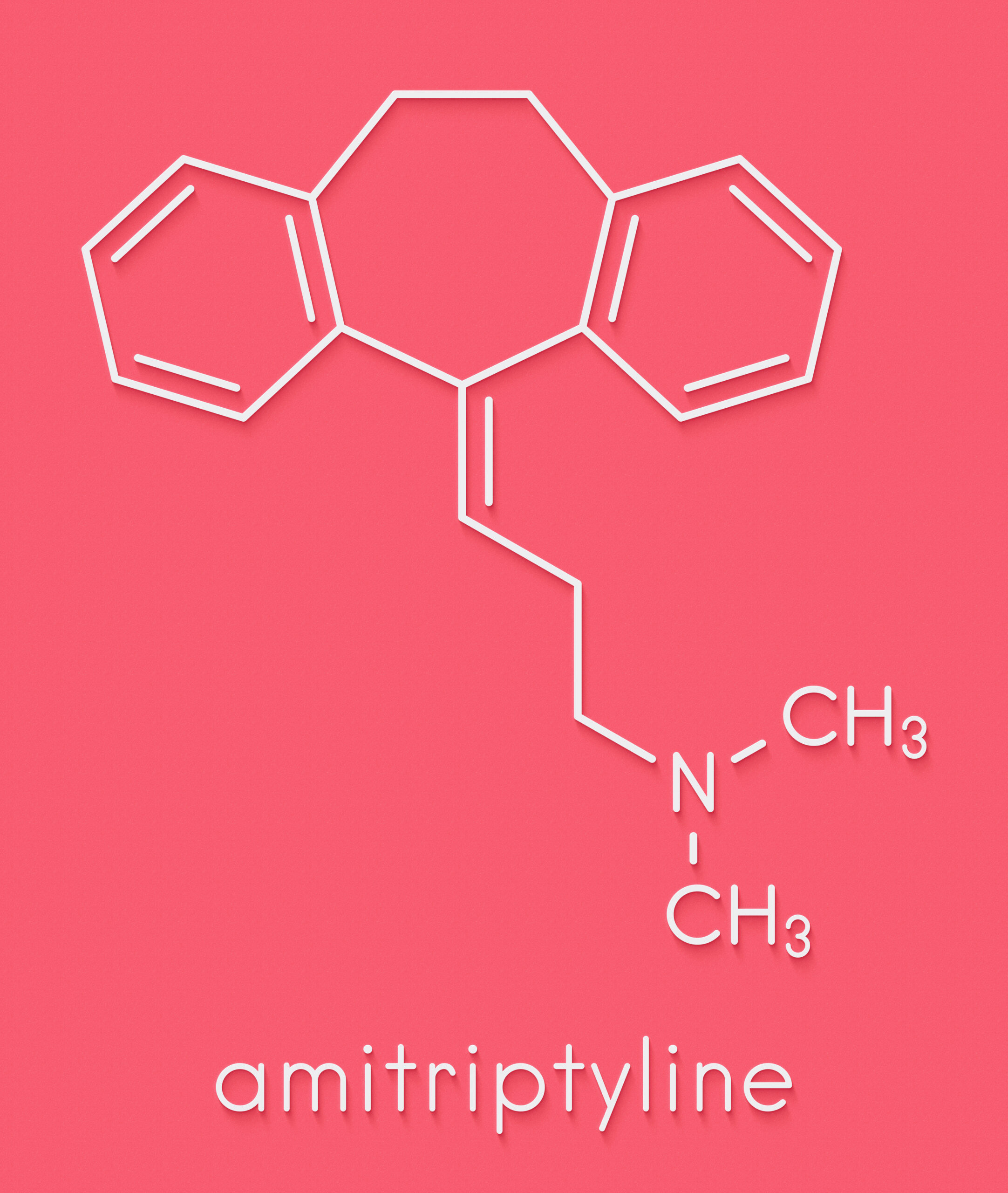
A tricyclic antidepressant features three cyclic rings in its chemical structure.
Common effects and counseling points include:
- Anticholinergic effects: This means the medication blocks some actions of acetylcholine, a chemical messenger involved in functions such as saliva production, digestion, urination, and vision. Effects may include dry mouth, blurred vision, constipation, or difficulty urinating.
- Drowsiness or confusion: Patients should learn how the medication affects them before driving or operating machinery.
- Orthostatic hypotension: This is a drop in blood pressure when standing that can cause dizziness, faintness, or syncope. Standing up slowly can reduce the risk of falling.
- Overdose toxicity: A suspected TCA overdose requires emergency medical care because dangerous heart-rhythm changes, seizures, or loss of consciousness can occur.
Monoamine Oxidase Inhibitors (MAOIs)
Monoamine oxidase inhibitors (MAOIs) are an older antidepressant class that includes phenelzine. They may be considered for selected patients, but they require careful review of food, medication, and supplement interactions.

Some MAOIs require patients to avoid or restrict foods containing high levels of tyramine.
Important food and medication precautions include:
- Aged cheeses: Some aged or strongly fermented cheeses contain high tyramine levels.
- Aged, cured, smoked, improperly stored, or spoiled meat and fish: Tyramine can increase as protein-rich foods age or spoil.
- Fermented or yeast-containing products: Restrictions may include certain fermented foods, yeast extracts, and related products.
- Certain alcoholic beverages: Permitted and restricted drinks depend on the specific medication and instructions provided by the prescriber or dietitian.
- Interacting medications: SSRIs, SNRIs, TCAs, other MAOIs, some pain medicines, cough medicines, decongestants, and supplements may cause serious interactions.
- Medication changes: Switching between an MAOI and another antidepressant requires a medication-specific washout period.
High-tyramine foods or an interacting medication can cause a dangerous rise in blood pressure. A severe sudden headache, chest pain, a pounding heartbeat, neck stiffness, heavy sweating, nausea, or vomiting requires urgent medical assessment.
Combining an MAOI with a serotonergic medication can also cause serotonin syndrome. Patients should follow the exact dietary, medication, and washout instructions provided for their particular MAOI because restrictions can differ by product and dose.
Sources: MedlinePlus — Phenelzine; MedlinePlus — Serotonin Syndrome.
St. John’s Wort
St. John’s wort is a dietary supplement that has been studied for depression, but research findings have been mixed. It should not replace professional mental health evaluation or prescribed treatment, and patients should tell their healthcare professionals about any St. John’s wort product they use.
- Safety warning: Do not combine St. John’s wort with an antidepressant unless a qualified healthcare professional has specifically reviewed and directed the combination. It can increase the risk of serotonin syndrome and can also reduce the effectiveness of many prescription medications.
Review the earlier serotonin syndrome section and seek prompt medical assessment for symptoms such as agitation, fever, heavy sweating, a fast heartbeat, unusual blood pressure changes, or muscle twitching after using serotonergic medications or supplements.
Source: National Center for Complementary and Integrative Health — St. John’s Wort and Depression.
Possible Complications of Taking Antidepressants
Serious complications are uncommon for many patients, but risk depends on the medication, dose, medical history, and other substances used at the same time. Important complications and interaction risks include:
- Serotonin syndrome: Excess serotonergic activity can cause agitation, confusion, heavy sweating, fever, diarrhea, a fast heartbeat, unusual blood pressure changes, muscle twitching, rigidity, or overactive reflexes.
- Suicidal thoughts or behavior: Children, adolescents, and young adults under age 25 may experience increased risk during the first weeks of antidepressant treatment or after a dose change. Patients of every age should be monitored for worsening depression or unusual behavioral changes.
- Severe blood pressure reactions: Some SNRIs can increase blood pressure, while certain MAOI food or medication interactions can cause a dangerous and rapid blood pressure increase.
- Discontinuation symptoms: Abruptly stopping some antidepressants can cause dizziness, nausea, anxiety, sleep disturbance, sensory symptoms, or other reactions.
- Heart-rhythm or neurologic toxicity: Some medications, particularly TCAs in overdose, can cause dangerous heart-rhythm changes, seizures, loss of consciousness, or other life-threatening effects.
- Medication and supplement interactions: Prescription medicines, over-the-counter products, alcohol, and supplements such as St. John’s wort can alter antidepressant effects or increase toxicity.
Contact the prescribing professional promptly about concerning side effects or worsening symptoms. Seek emergency help for a seizure, collapse, difficulty breathing, severe confusion, a suspected overdose, symptoms of serotonin syndrome, or an immediate risk of self-harm. In the United States, call or text 988 for a suicide or mental health crisis and call 911 for an immediate life-threatening emergency.
Summary
Antidepressants differ in how they affect brain signaling, the conditions they may treat, their common side effects, and their interaction risks. SSRIs and SNRIs are commonly prescribed, while TCAs and MAOIs may require additional precautions because of their broader effects, overdose risks, or food and medication interactions. St. John’s wort is a dietary supplement rather than a prescription antidepressant and can interact with many medications.
Safe use requires an individualized treatment plan. Take medication exactly as prescribed, keep the prescriber and pharmacist informed about every medication and supplement being used, attend recommended follow-up appointments, and do not stop treatment abruptly without guidance. Contact a healthcare professional about persistent or troubling side effects, and seek urgent help for severe reactions, serotonin syndrome symptoms, or suicidal thoughts or behavior.
More Free Resources to Keep You at Your Best
Editorial Note
ACLS Certification Association (ACA) uses only high-quality medical resources and peer-reviewed studies to support the facts within our articles. Explore our editorial process to learn how our content reflects clinical accuracy and the latest best practices in medicine. As an ACA Authorized Training Center, all content is reviewed for medical accuracy by the ACA Medical Review Board.
More to Learn
Learn VF and PVT, Rhythm-based Management in Cardiac Arrest. These are ventricular fibrillation (VF), pulseless ventricular tachycardia (pVT), pulseless electrical activity (PEA) and asystole.
This article and video compare SIADH vs. Diabetes Insipidus. Learn the pathophysiology, etiology, signs, symptoms, and nursing care...