Pediatric Bradycardia with a Pulse and Poor Perfusion Algorithm
Algorithm at a Glance
- The provider quickly identifies bradycardia with a pulse.
- The goal is to identify and treat the underlying cause of bradycardia.
- If the child is symptomatic, treatment begins immediately to prevent deterioration.
- If the child is not symptomatic, the team continues close monitoring.
This article provides a structured overview of the Pediatric Bradycardia with a Pulse and Poor Perfusion Algorithm used in Pediatric Advanced Life Support. It explains how to recognize symptomatic bradycardia in children, identify underlying causes, and apply age appropriate interventions to restore adequate heart rate and perfusion.
Goals for the Management of Child with Bradycardia
The provider must succeed in the following goals to successfully manage children with bradycardia:
-
- Recognize and differentiate among several bradyarrhythmias:
- Sinus bradycardia
- First-degree AV block
- Second-degree AV block: Type l (Wenckebach/Mobitz l)
- Second-degree AV block: Type II(Mobitz II)
- Third-degree AV block
- Recognize the signs and symptoms of symptomatic bradycardia.
- Recognize and differentiate among several bradyarrhythmias:
Types of Pediatric Bradycardia: Primary vs. Secondary
Pediatric bradycardia can be classified as primary or secondary based on its underlying cause. Primary bradycardia originates from intrinsic conduction system abnormalities such as sinus node dysfunction or atrioventricular block. Secondary bradycardia is far more common in children and results from conditions that impair oxygen delivery or cardiac output, such as hypoxia, hypoventilation, shock, or metabolic disturbances. Identifying whether bradycardia is primary or secondary guides appropriate treatment and prioritization of interventions.
Normal Heart Rate Ranges by Age
Normal heart rate values vary significantly by age in pediatric patients. Recognizing age appropriate heart rate ranges helps clinicians identify clinically significant bradycardia and intervene promptly.
| Age Group | Normal Heart Rate Range (bpm) |
|---|---|
| Newborn (0 to 28 days) | 100 to 160 |
| Infant (1 to 12 months) | 100 to 160 |
| Toddler (1 to 3 years) | 90 to 150 |
| Preschool (3 to 5 years) | 80 to 140 |
| School Age (6 to 12 years) | 70 to 120 |
| Adolescent (13 years and older) | 60 to 100 |
Common Causes of Pediatric Bradycardia
Pediatric bradycardia is most often caused by hypoxia and respiratory failure rather than primary cardiac disease. Other common causes include hypothermia, increased intracranial pressure, drug toxicity, electrolyte imbalances, and congenital or acquired heart block. Prompt identification and correction of these underlying causes are critical for restoring adequate heart rate and perfusion.
Pediatric Bradycardia Algorithm Explained
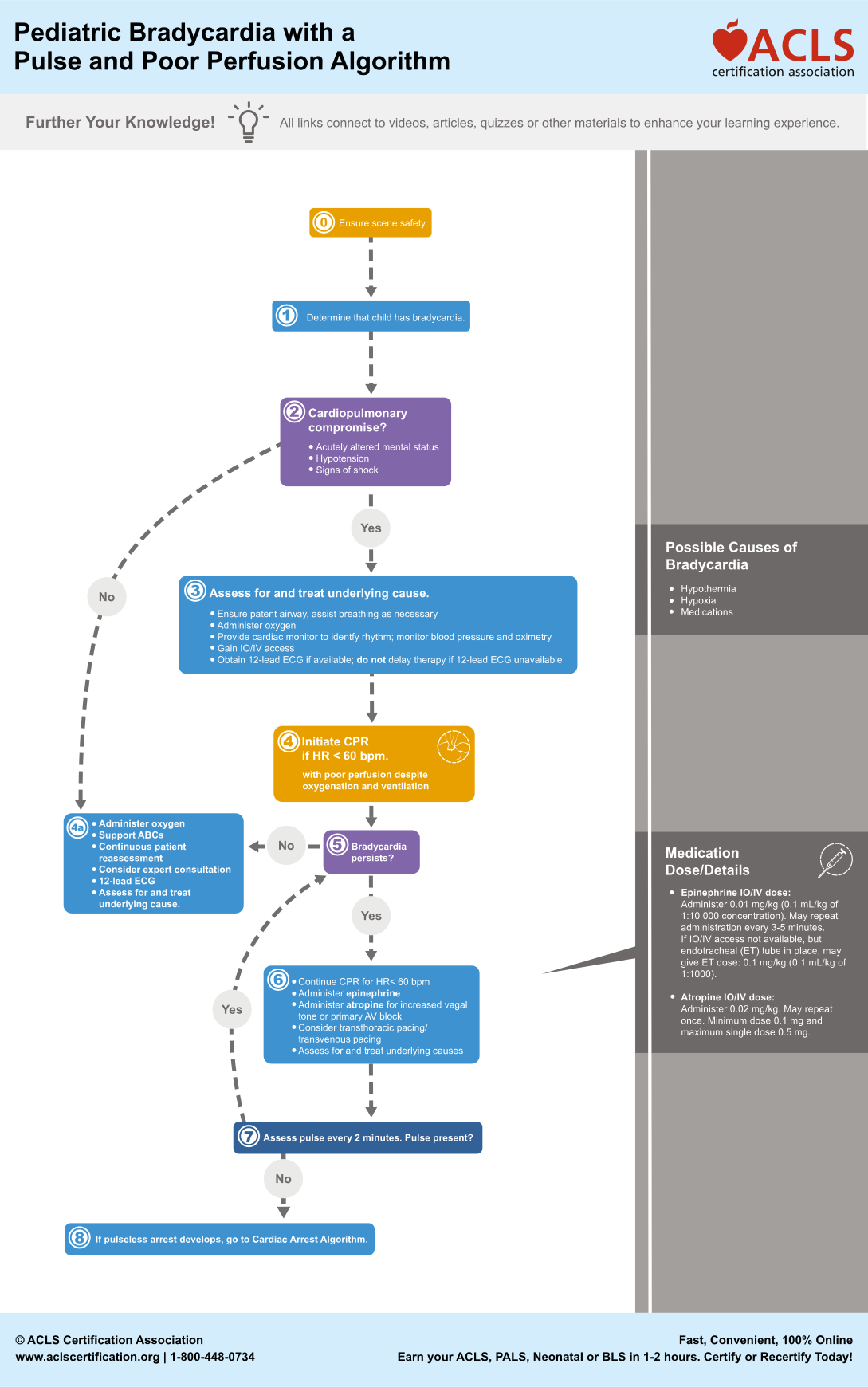
This algorithm outlines the steps for assessing and managing children presenting with symptomatic PALS bradycardia.
Box 0: Ensure Scene Safety
The provider surveys the scene to ensure it is safe for rescuers and the child. If not, the provider carefully moves the child to a safe environment.
Box 1: Determine That the Child Has Bradycardia
A heart rate < 60 bpm is cause for alarm in a child.

An ECG depicts bradycardia, a heart rate less than 60 beats per minute.
Box 2: Cardiopulmonary Compromise?
If the child has mental status changes, hypotension, or any signs of shock, the team proceeds to Box 3. If the child does NOT have cardiopulmonary compromise, the team proceeds to Box 4a.
Box 3: Assess for and Treat the Underlying Cause
Possible causes of bradycardia in a child include hypothermia, hypoxia, and medications. The team performs a quick assessment and does the following:
-
- Ensures a patent airway
- Assists breathing as necessary
- Administers oxygen
- Provides a cardiac monitor to identify the rhythm
- Monitors blood pressure and oximetry
- Gains IV IO access
- Obtains a 12-lead ECG if available but does not delay therapy if unavailable.
Box 4: Initiate CPR
The team evaluates the heart rate and perfusion. If the HR is < 60 bpm despite adequate oxygen and ventilation, the provider begins high-quality CPR.
When to Initiate CPR (Age Specific Guidelines)
In pediatric patients, CPR should be initiated when the heart rate remains below 60 beats per minute despite adequate oxygenation and ventilation and there are signs of poor perfusion. Infants and children rely heavily on heart rate to maintain cardiac output, making early CPR essential to prevent progression to cardiac arrest.
Box 5: Bradycardia Persists?
If no, the team proceeds to Box 4a.
If yes, the team proceeds to Box l.
Box 4a: Ongoing Care
If available, the team begins providing oxygen and supports the ABCs while continuously reassessing the child. The team considers expert consultation.
Box 6: Management of Persistent Bradycardia
The team:
-
- Continues high-quality CPR for a heart rate < 60 bpm
- Administers epinephrine every 3–5 minutes at a dosage of 0.01 mg/kg of the 1:10,000 concentration
Key Drugs and Dosages for Pediatric Bradycardia
Medications play a critical role in the management of persistent pediatric bradycardia. Drug selection and dosing are weight based and must be administered promptly while continuing high quality CPR and supportive care.
-
- Epinephrine: 0.01 mg per kg IV or IO of the 1:10,000 concentration every 3 to 5 minutes
- Atropine: 0.02 mg per kg IV or IO for suspected vagal tone or atrioventricular block, maximum single dose 0.5 mg
- Pacing: Consider transcutaneous or transvenous pacing if bradycardia is refractory to medications
-
- If AV block is noted, administers atropine at a dose of 0.02 mg/kg to a maximum of 0.5 mg and repeats the same atropine dosage if needed
- Considers transthoracic or transvenous pacing
- Continually assesses and treats any underlying causes

Epinephrine helps increase the heart rate to treat bradycardia.
Box 7: Pulse Present?
The team assesses the pulse every 2 minutes.
If a pulse is not present, the team proceeds to Box 8.
If a pulse is present, the team proceeds to Box 5.
Box 8: Pulseless Arrest
The team immediately implements the Pediatric Cardiac Arrest algorithm.
Pediatric vs. Adult Bradycardia: Key Differences
Pediatric bradycardia differs significantly from adult bradycardia in both cause and management. In children, bradycardia is most often secondary to hypoxia or respiratory failure, making early airway support and oxygenation the highest priority. This approach aligns closely with the steps described in the Pediatric Advanced Life Support protocols.
In contrast, the adult bradycardia with pulse algorithm focuses more on intrinsic conduction abnormalities, medication effects, and rate control strategies that are common in adults. Adult management includes interventions such as pharmacologic therapy and pacing based on underlying heart disease or electrical system dysfunction.
Understanding these differences ensures clinicians apply age appropriate treatment strategies that improve hemodynamics and patient outcomes across the lifespan.
Understanding the Pediatric Bradycardia with a Pulse and Poor Perfusion Algorithm
The Pediatric Bradycardia with a Pulse and Poor Perfusion Algorithm outlines a step by step approach for managing children with dangerously slow heart rates and signs of inadequate circulation. It emphasizes early recognition, correction of reversible causes, and timely escalation of care to prevent cardiac arrest.
One Quick Question: What is the Epinephrine & Amiodarone Trick?
This video reviews a commonly used medication dosing concept that helps providers quickly recall emergency drug administration during pediatric resuscitation. It reinforces correct epinephrine use within the bradycardia algorithm and supports safe, timely medication delivery.
More Free Resources to Keep You at Your Best
Editorial Note
ACLS Certification Association (ACA) uses only high-quality medical resources and peer-reviewed studies to support the facts within our articles. Explore our editorial process to learn how our content reflects clinical accuracy and the latest best practices in medicine. As an ACA Authorized Training Center, all content is reviewed for medical accuracy by the ACA Medical Review Board.